Find the Best Composting & Food Waste Companies for Your Business
No obligation • Fast responses • Nationwide coverage

Why you can trust Restaurant Waste Disposal
Restaurant Waste Disposal is a leading U.S. resource for comparing restaurant composting, food-waste recycling, grease trap cleaning, and used cooking oil collection services. Our editorial team researches providers, checks credentials, and organizes unbiased information so operators can make informed decisions. Companies cannot pay to change ratings or placement.
Search providers near you
Top Composting & Food Waste Companies in Rochester Hills, Michigan Ranked
For restaurants and commercial kitchens in Rochester Hills, managing organic waste is a critical operational and environmental consideration. The city, through its partnership with the Southeastern Oakland County Resource Recovery Authority (SOCRRA), provides a framework for diverting food scraps from landfills, turning potential waste into valuable compost. While residential yard waste composting is a standard municipal service, commercial food waste handling requires a direct partnership with specialized third-party haulers who can navigate the specific needs of high-volume generators. This guide outlines the pathways, rules, and local resources available to Rochester Hills businesses aiming to implement or optimize an organics recycling program.
Successful commercial food waste diversion hinges on understanding the local service structure, which is designed to be flexible and scalable.
Midtown Composting
4272 Alter Rd, Detroit, MI 48215
Midtown Composting provides food waste and composting services for restaurants in Detroit, MI. They offer weekly pickup of food scraps, including pet waste and meat, helping businesses reduce trash and compost organic materials. The company also provides lawn care and snow removal services.
Spurt Industries
2041 Charms Rd, Wixom, MI 48393
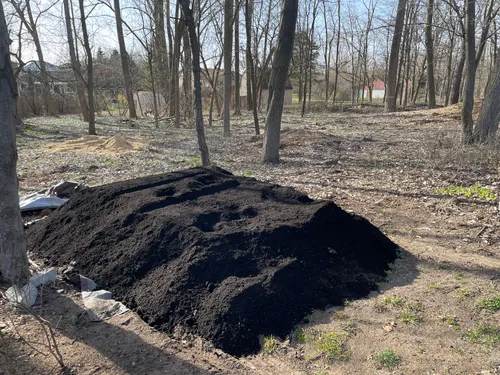
Spurt Industries is a composting and organic waste recycling company based in Novi, MI. They specialize in food waste collection for restaurants and commercial clients, as well as yard waste, brush, and clean wood recycling. Spurt produces STA certified compost and custom soil blends, serving both residential and commercial customers. Their facilities in Wixom and Rochester Hills handle large volumes of organic waste annually, contributing to sustainable soil products and environmental efforts. The company has a history of supporting local green industries and offers delivery services for compost and soil products.
Spurt SOCRRA Compost
1741 School Rd, Rochester Hills, MI 48307
Spurt SOCRRA Compost is a composting and organic waste recycling company located in Troy, MI. They provide commercial food waste collection services with carts and dumpsters for large waste generators, as well as yard waste, brush, and wood debris disposal. The company produces STA certified compost and custom soil blends, serving both residential and commercial clients. Spurt operates EGLE registered facilities and is the only producer of STA certified compost in Macomb, Wayne, and Oakland counties. They handle large-scale projects with deliveries ranging from small to over 1,000 yards of soil and compost products.
Understanding the Local Service Framework
The cornerstone of commercial organics recycling in Rochester Hills is the SOCRRA system. SOCRRA itself is a public authority that provides waste management services to several member communities, including Rochester Hills. For commercial entities, SOCRRA does not provide direct collection but manages the local composting facility and partners with licensed private haulers. The primary local provider for these services is Spurt Industries, which operates the compost site at 1741 School Rd and offers tailored commercial collection programs. This means restaurants must contract directly with Spurt Industries or another SOCRRA-authorized hauler to establish service.
This model offers businesses customization. Instead of a one-size-fits-all municipal schedule, you can work with your hauler to determine the right container size, pickup frequency, and service terms based on your kitchen's output. This is crucial for food service establishments, where waste volume can fluctuate daily.
Setting Up Commercial Collection Services
Initiating a food waste recycling program for your restaurant involves a few key steps. First, determine your eligibility and volume. Virtually all commercial businesses in the SOCRRA service area are eligible to participate. You'll need to estimate your weekly food scrap output to inform your service agreement.
Next, contact a licensed hauler. Spurt Industries is the most directly integrated provider, but other haulers partnered with regional initiatives like Make Food Not Waste may also offer services in the area. During consultation, you will discuss:
- Container Needs: Haulers typically provide 32-gallon or 64-gallon wheeled carts designed for single-stream organics collection.
- Pickup Schedule: Frequency is highly customizable. While weekly pickup is common, high-volume restaurants may require daily or multiple-times-per-week service to manage odor and space. Your hauler will help you establish a schedule that matches your waste generation.
- Service Agreement: Clarify all terms, including the process for adding or removing containers, holiday schedules, and protocols for reporting issues.
Finally, educate your staff. A successful program depends on proper sorting at the source. Clear signage and training on what is and isn't acceptable in the compost cart are essential to avoid contamination, which can lead to rejected loads or additional fees.
Accepted Materials & Contamination Guidelines
Knowing what can and cannot go into your commercial compost cart is the most important factor for program success. Adherence to these guidelines ensures the material processed at the SOCRRA facility produces high-quality compost.
Accepted Materials Include:
- All food scraps: Fruits, vegetables, meat, bones, fish, dairy products, and eggs.
- Food-soiled paper: Napkins, paper towels, uncoated paper plates, and pizza boxes.
- BPI-certified compostable products: Look for the BPI logo on bags, containers, and serviceware.
- Plant waste: Coffee grounds with filters, tea bags, and floral trimmings.
Strictly Prohibited Materials (Contaminants):
- Plastic bags (unless they are certified compostable).
- Traditional plastic, glass, or metal of any kind.
- Liquids, grease, or oils.
- Hazardous materials or chemically treated wood.
- Non-organic waste like rubber bands, twist ties, or utensils 1.
Contamination is a serious issue. Loads with excessive prohibited materials may be rejected at the composting facility, potentially resulting in extra disposal fees for your business. Using only certified compostable bags for liner and maintaining clear kitchen sorting stations are the best defenses against contamination.
Find the perfect composting & food waste companies for your needs
Get personalized recommendations and expert advice
Costs and Service Models
The cost for commercial food waste recycling in Rochester Hills is not set by the city but is determined by the hauling company you contract with. Pricing is typically based on a combination of factors:
- Container size (32-gallon vs. 64-gallon cart).
- Pickup frequency (weekly, semi-weekly, daily).
- Volume of material collected.
Two common pricing models are "pay-as-you-go," where you are charged per pickup or per volume, and subscription-based models with a regular monthly fee 2 3. It is essential to request a detailed quote from providers like Spurt Industries to understand all potential costs, including any one-time setup fees or charges for extra contaminated loads. While there is an upfront cost, many businesses find that reducing their general trash volume through composting can offset or even lower their total waste management expenses.
Benefits Beyond Compliance
Implementing a robust organics diversion program offers advantages that extend far beyond simple regulatory compliance or waste management.
- Environmental Leadership: Diverting food waste from landfills reduces methane emissions, a potent greenhouse gas, and creates nutrient-rich compost that returns to the local soil cycle 4.
- Waste Audits & Efficiency: The process of setting up composting often reveals opportunities to reduce food waste at the source, leading to direct cost savings on food purchases.
- Community & Customer Engagement: Demonstrating a commitment to sustainability resonates positively with customers and can enhance your restaurant's reputation in the community.
- Supporting the Local Loop: The compost created from local food scraps is often made available for purchase by residents and landscapers, closing the loop and supporting local agriculture and gardening.
The Role of the SOCRRA Compost Site
The SOCRRA compost facility at 1741 School Rd is more than just a processing plant; it's a central resource for the community 5. For businesses, it serves as the endpoint where collected food waste is transformed. Understanding this destination can help staff appreciate the purpose of their sorting efforts. The site operates under strict environmental controls to manage odors and leachate, ensuring the composting process is efficient and community-friendly. Finished compost from this facility is a testament to the collective effort of all participating households and businesses in Rochester Hills and the surrounding SOCRRA communities 6.
Frequently asked questions
Sources
Footnotes
-
Washtenaw County Solid Waste Management Plan - State of Michigan - https://www.michigan.gov/-/media/Project/Websites/egle/Documents/Programs/MMD/Solid-Waste/Planning/SWMP-L-Z/Washtenaw-Appendices.pdf?rev=514bd5fc0484466698c32107f7b72dce ↩
-
Food Waste Recycling Program - Spurt Industries - https://spurtindustries.com/food-waste-recycling-program/ ↩
-
Rochester's Commercial Composting Guide: Environmental ... - https://www.myshyft.com/blog/commercial-composting-pickup-service-contracts-rochester-new-york/ ↩
-
Blueprint Zero Food Waste Southeast Michigan - https://makefoodnotwaste.org/wp-content/uploads/2025/12/2025-12-09-Regional-plan.pdf ↩
-
Locations, Hours, and Rates - SOCRRA - https://www.socrra.org/locations-hours-and-rates ↩
-
Compost - SOCRRA - https://www.socrra.org/compost ↩