
Find the Best Composting & Food Waste Companies for Your Business
No obligation • Fast responses • Nationwide coverage

Why you can trust Restaurant Waste Disposal
Restaurant Waste Disposal is a leading U.S. resource for comparing restaurant composting, food-waste recycling, grease trap cleaning, and used cooking oil collection services. Our editorial team researches providers, checks credentials, and organizes unbiased information so operators can make informed decisions. Companies cannot pay to change ratings or placement.
Search providers near you
Top Composting & Food Waste Companies in Redford, Michigan Ranked
For restaurants in Redford, managing organic waste effectively is a critical step toward operational efficiency and environmental responsibility. While the township partners with Priority Waste for residential curbside composting, commercial food scrap recycling requires a direct, tailored service agreement. This specialized approach helps local eateries divert significant volumes of organic material from landfills, potentially reducing waste disposal costs and contributing to a circular economy where food scraps are transformed into valuable compost. Navigating the specifics of container types, pickup schedules, and contamination guidelines is key to a successful program.
Implementing a robust organics diversion program involves understanding the local service landscape, the practical steps for setting up collection, and the significant benefits for your business and community. Proper management of food waste and compostable materials not only supports sustainability goals but can also streamline back-of-house operations and enhance your restaurant's green credentials.

Midtown Composting
4272 Alter Rd, Detroit, MI 48215
Midtown Composting provides food waste and composting services for restaurants in Detroit, MI. They offer weekly pickup of food scraps, including pet waste and meat, helping businesses reduce trash and compost organic materials. The company also provides lawn care and snow removal services.
Spurt Industries
2041 Charms Rd, Wixom, MI 48393
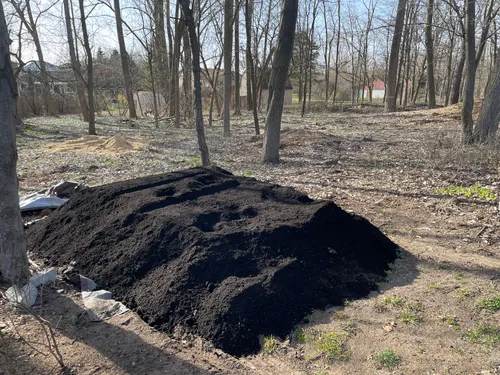
Spurt Industries is a composting and organic waste recycling company based in Novi, MI. They specialize in food waste collection for restaurants and commercial clients, as well as yard waste, brush, and clean wood recycling. Spurt produces STA certified compost and custom soil blends, serving both residential and commercial customers. Their facilities in Wixom and Rochester Hills handle large volumes of organic waste annually, contributing to sustainable soil products and environmental efforts. The company has a history of supporting local green industries and offers delivery services for compost and soil products.
Spurt SOCRRA Compost
1741 School Rd, Rochester Hills, MI 48307
Spurt SOCRRA Compost is a composting and organic waste recycling company located in Troy, MI. They provide commercial food waste collection services with carts and dumpsters for large waste generators, as well as yard waste, brush, and wood debris disposal. The company produces STA certified compost and custom soil blends, serving both residential and commercial clients. Spurt operates EGLE registered facilities and is the only producer of STA certified compost in Macomb, Wayne, and Oakland counties. They handle large-scale projects with deliveries ranging from small to over 1,000 yards of soil and compost products.
Understanding Commercial Organics Recycling in Redford
Unlike residential services, commercial food waste collection for restaurants is not part of a standardized municipal program. In Redford, Priority Waste is the primary provider for both residential and commercial waste streams, meaning restaurants must contact them directly to establish a service contract. This commercial service is designed to handle the larger volumes and specific types of waste generated by food service establishments, from prep scraps to spoiled inventory and soiled paper products.
The process transforms what was once considered mere trash into a resource. Collected food scraps and other acceptable organics are typically processed at a commercial composting facility, where they decompose into nutrient-rich soil amendment. This closes the loop, turning waste from Redford's restaurants into a product that can support local agriculture and landscaping.
Key Service Providers and Options
For restaurants in Redford seeking to implement food scrap recycling, the main point of contact is Priority Waste. They manage Redford Township's municipal waste contract and offer commercial services tailored to businesses like restaurants 1.
Service Model for Restaurants:
- Direct Agreement: Service is arranged through a commercial account, not the township's residential program.
- Tailored Solutions: Container sizes, pickup frequency, and pricing are customized based on your restaurant's specific volume and needs.
- Logistics: The provider supplies specialized carts for organics and establishes a reliable pickup schedule.
When inquiring about service, it's important to discuss your expected weekly volume of food waste to determine the appropriate cart size and collection frequency. Common commercial cart sizes start at 64 gallons and can go much larger, and pickup can be scheduled weekly or even multiple times per week for high-volume establishments.
Setting Up Your Restaurant's Program
Initiating a commercial organics collection service involves a few clear steps. First, contact Priority Waste directly at 855-WASTE65 (855-927-8365) or via their website to discuss your restaurant's needs and request a quote 2. Be prepared to provide details about your current trash output to help them recommend an appropriate level of service for food scraps.
Once service is established, staff training and proper bin placement are crucial for success. Place clearly labeled collection bins in key areas like the prep kitchen, dishwashing station, and, if applicable, in front-of-house areas for customer discards. Training should focus on what materials are acceptable versus contaminants to ensure a clean, valuable compost stream. Many providers offer signage and training materials to assist with this.
Find the perfect composting & food waste companies for your needs
Get personalized recommendations and expert advice
What Can and Cannot Go in the Compost Cart
Maintaining a contamination-free stream is essential for the composting process. Here's a general guideline for restaurants, though you should always confirm specifics with your service provider:
Acceptable Food Scraps & Materials:
- Fruit and vegetable scraps, peels, and pits
- Meat, fish, bones, and dairy products
- Bread, pasta, grains, and baked goods
- Eggshells and nutshells
- Coffee grounds and filters, tea bags (staples removed)
- Soiled, uncoated paper products like napkins, paper towels, and unlined paper boat trays
- Compostable bag liners (certified BPI or equivalent) for lining carts
- Certified compostable serviceware and packaging
Common Contaminants to Exclude:
- Plastic bags of any kind (a major contaminant)
- Styrofoam (polystyrene) containers
- Glass, metal, or aluminum foil
- Liquids, oils, and grease
- Traditional plastic serviceware, wrappers, or packaging
- Rubber bands, twist ties, and other non-organic materials
- Diapers, sanitary products, or pet waste
Using certified compostable liners can make collection cleaner and easier for staff while preventing plastic bag contamination 3.
Benefits of Food Waste Diversion for Restaurants
Beyond environmental stewardship, diverting organics offers tangible business advantages. By separating heavy, wet food scraps from the general trash stream, restaurants can often reduce the volume and weight of their regular garbage, which may lead to lower trash hauling costs or allow for less frequent trash pickups. This process also helps keep kitchen areas cleaner and can reduce odors and pests associated with food waste in dumpsters.
Furthermore, a visible commitment to sustainability through organics recycling enhances your brand reputation. It resonates with a growing segment of eco-conscious customers and can be a positive point of differentiation in the competitive Redford dining scene. It also aligns with broader waste reduction goals and can be a cornerstone of a comprehensive corporate social responsibility strategy.
Overcoming Common Implementation Challenges
Starting a new waste stream can present hurdles, but they are manageable with planning. Initial staff resistance is common; overcome this by explaining the "why," making the system simple with clear signage, and involving team leads in the rollout. Space constraints in a busy kitchen can be addressed by using appropriately sized countertop or under-counter collection bins that are emptied frequently into the larger outdoor cart.
Cost concerns are valid, as there is typically a fee for the added service. However, this should be analyzed against potential savings from reduced trash service. Requesting a detailed quote and possibly a waste audit from your provider can give you a clear financial picture. Remember, the long-term benefits of waste reduction, improved sustainability profile, and compliance with potential future regulations often outweigh the initial investment.
Frequently asked questions
Sources
Footnotes
-
Public Services | Redford Township, MI - https://www.redfordtwp.gov/203/Public-Services ↩
-
Redford Township, MI - Priority Waste - https://www.prioritywaste.com/municipality/redford-township-mi/ ↩
-
ASP Composting - Michigan Recycling Coalition - https://michiganrecycles.org/wp-content/uploads/2022/08/RRS-Case-Studies-Final.pdf ↩