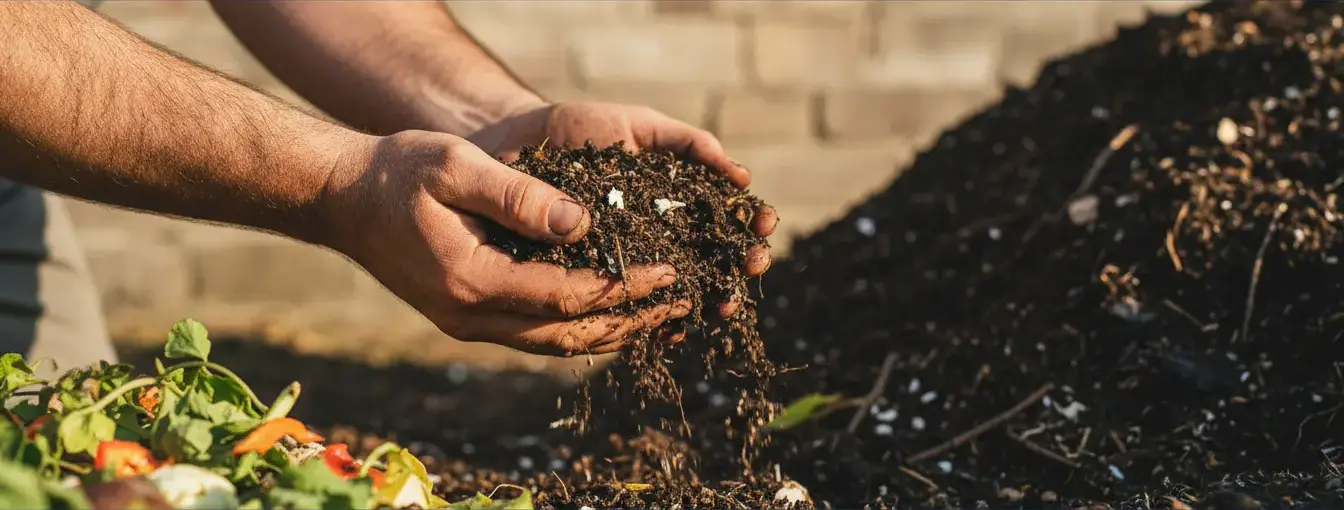
Find the Best Composting & Food Waste Companies for Your Business
No obligation • Fast responses • Nationwide coverage

Why you can trust Restaurant Waste Disposal
Restaurant Waste Disposal is a leading U.S. resource for comparing restaurant composting, food-waste recycling, grease trap cleaning, and used cooking oil collection services. Our editorial team researches providers, checks credentials, and organizes unbiased information so operators can make informed decisions. Companies cannot pay to change ratings or placement.
Search providers near you
Top Composting & Food Waste Companies in Farmington Hills, Michigan Ranked
For restaurants, grocery stores, and other food service businesses in Farmington Hills, managing organic waste is a critical operational and environmental consideration. While the city provides robust residential trash and yard waste services, commercial food scrap recycling and composting programs are primarily handled by private waste haulers and specialized organic recycling companies. Navigating the options for food waste diversion requires understanding the local service landscape, container requirements, and strict contamination guidelines to ensure a successful and cost-effective program. This guide outlines the key steps and providers to help your business implement a sustainable organic waste management plan.
Midtown Composting
4272 Alter Rd, Detroit, MI 48215
Midtown Composting provides food waste and composting services for restaurants in Detroit, MI. They offer weekly pickup of food scraps, including pet waste and meat, helping businesses reduce trash and compost organic materials. The company also provides lawn care and snow removal services.
Spurt Industries
2041 Charms Rd, Wixom, MI 48393
Spurt Industries is a composting and organic waste recycling company based in Novi, MI. They specialize in food waste collection for restaurants and commercial clients, as well as yard waste, brush, and clean wood recycling. Spurt produces STA certified compost and custom soil blends, serving both residential and commercial customers. Their facilities in Wixom and Rochester Hills handle large volumes of organic waste annually, contributing to sustainable soil products and environmental efforts. The company has a history of supporting local green industries and offers delivery services for compost and soil products.
Spurt SOCRRA Compost
1741 School Rd, Rochester Hills, MI 48307
Spurt SOCRRA Compost is a composting and organic waste recycling company located in Troy, MI. They provide commercial food waste collection services with carts and dumpsters for large waste generators, as well as yard waste, brush, and wood debris disposal. The company produces STA certified compost and custom soil blends, serving both residential and commercial clients. Spurt operates EGLE registered facilities and is the only producer of STA certified compost in Macomb, Wayne, and Oakland counties. They handle large-scale projects with deliveries ranging from small to over 1,000 yards of soil and compost products.
The Commercial Food Waste Landscape in Farmington Hills
Unlike residential services, the City of Farmington Hills does not directly provide commercial food scrap collection. The city's municipal focus is on residential trash, recycling, and yard waste, the latter being banned from Michigan landfills 1. Consequently, businesses seeking to compost food waste must contract directly with private service providers. This private market offers tailored solutions, but it requires proactive research and setup. The good news is that multiple regional and national haulers, as well as local niche operators, service the Detroit metro area and can create a program specific to your establishment's volume and needs2.
Why Divert Food Waste?
Beyond environmental stewardship, diverting food scraps from the trash can offer tangible business benefits. Reducing the volume of general waste can sometimes lower disposal costs, especially if you are charged by volume or weight. It also aligns with growing consumer expectations for sustainable business practices. Furthermore, proper organic waste management, including used cooking oil and grease trap maintenance, is essential for operational hygiene and compliance3. Implementing a structured program turns a waste stream into a managed resource.
Key Service Providers for Food Scrap Recycling
Identifying the right partner is the first step. The market includes large national waste management firms and smaller, locally-focused composters.
National/Regional Haulers:
- Waste Management: Offers comprehensive waste services, including commercial organic recycling programs in many markets. They can provide containers and scheduled pickups tailored to restaurant volumes.
- Republic Services: Another major provider with a national network, likely offering food waste collection services for businesses in the Farmington Hills area.
Local & Specialized Options:
- Compost Michigan: A local operation that may offer more personalized service and potentially focus specifically on organic material, ensuring it is processed into compost for local agricultural use.
- Other Local Haulers: It's worth investigating other licensed waste carriers servicing Oakland County. Companies like "Waste Not Woof Not" or "Blue Green" may offer niche organic collection, though availability can vary.
The most effective approach is to contact 2-3 haulers for detailed quotes4 5. This allows you to compare costs, service flexibility, and the end destination of your compostables.
Setting Up Your Commercial Program: Logistics & Costs
Once you select a provider, you'll need to establish the practical details of your collection service. These factors directly influence your monthly costs and operational workflow.
Container Types and Sizes: Your container needs depend entirely on your weekly food scrap volume.
- Smaller Establishments: May use 32-gallon or 64-gallon rolling carts (often called totes).
- Medium to Large Volume Generators: Typically require dumpsters. Sizes range from 2-yard to 8-yard containers. For very high-volume operations like large cafeterias or food processors, compactors may be necessary.
Pickup Schedules: Frequency is negotiated with your hauler and can range from daily (for very high-volume or odor-sensitive operations) to weekly or even bi-weekly for smaller producers. The schedule will be a key factor in your pricing.
Understanding Costs: Pricing is not standardized and varies based on volume, pickup frequency, and hauler. As a general guide:
- Small Restaurant (using a 32-gallon cart with weekly pickup): Could range from approximately $100 to $250 per month.
- Medium Restaurant (using a 2-yard dumpster with bi-weekly pickup): Might cost between $200 to $400+ per month.
- Large Volume Operations: Pricing often shifts to a cost-per-yard or per-weight model, which can escalate into the hundreds to thousands of dollars monthly depending on service levels.
Find the perfect composting & food waste companies for your needs
Get personalized recommendations and expert advice
Critical Rules: Preventing Contamination
This is the most crucial aspect of a successful food waste program. Contamination occurs when non-compostable materials are placed in the organic stream. A contaminated load can be rejected by the processing facility, resulting in extra fees for your business and negating the environmental benefit.
What is ACCEPTABLE in a commercial food scrap bin?
- Fruit and vegetable scraps
- Meat, bones, and dairy products (verify with your hauler, as some composters accept these)
- Coffee grounds and filters
- Eggshells and nutshells
- Bread and grains
- Certified compostable bags and service ware (look for BPI certification)
What is UNACCEPTABLE (Common Contaminants)?
- Plastic bags (unless they are certified compostable)
- Styrofoam and plastic packaging
- Glass, metal, or rubber
- Liquids and cooking oils
- Traditional plastic utensils or service ware
Best Practice: Clear signage and staff training are essential. Consider a "front-of-house" and "back-of-house" audit to identify all waste streams and set up clearly labeled bins to make proper sorting intuitive for your team.
Related Services: Grease Trap & Cooking Oil Management
A comprehensive food waste strategy often includes managing other byproducts. Many waste haulers or specialized providers also offer:
- Grease Trap Cleaning: Regular servicing of grease interceptors is legally required to prevent sewer blockages. Providers will pump out the trap and properly dispose of the fats, oils, and grease (FOG).
- Used Cooking Oil (UCO) Collection: This waste stream can actually be a revenue generator. Companies will collect UCO for conversion into biodiesel or other products, sometimes offering a payment based on volume or market price.
Coordinating these services with your food scrap collection can streamline vendor management and potentially lead to service bundling discounts.
Getting Started: Your Action Plan
- Conduct a Waste Audit: Spend a week tracking how much food waste (pre- and post-consumer) your business generates. This data is vital for requesting accurate quotes.
- Research and Contact Providers: Reach out to at least three haulers. Key contacts include Waste Management, Republic Services, and Compost Michigan 6. Be prepared to share your estimated weekly volume and desired service frequency.
- Review Proposals Carefully: Compare not just price, but also container provisions, pickup schedules, contamination policies, and where the material is taken for processing.
- Train Your Team: Before the first pickup, train all staff on what goes in the new compost bin. Use pictures and clear labels.
- Monitor and Adjust: Check the bins for contamination initially and adjust training as needed. Communicate with your hauler if your volume changes significantly.
Frequently asked questions
Sources
Footnotes
-
What to Do with Yard Waste | Sunday Lawn Care - https://www.getsunday.com/shed/backyard-living/what-to-do-with-yard-waste ↩
-
Food Compost Pilot Program | Canton Township, MI - Official Website - https://www.cantonmi.gov/1360/Food-Compost-Pilot-Program ↩
-
Reduce Restaurant Waste: Practical Tips for Cost Savings - https://checksammy.com/blog/reduce-restaurant-waste-cost/ ↩
-
Trash - City of Farmington Hills, MI - https://www.fhgov.com/trash ↩
-
Better Bottle Bill - Michigan Environmental Council - https://environmentalcouncil.org/better-bottle-bill/ ↩
-
Self-Service Tools & Apps for Waste Haulers | Routeware - https://routeware.com/solutions/customer-operations/self-service-tools/ ↩