Find the Best Composting & Food Waste Companies for Your Business
No obligation • Fast responses • Nationwide coverage

Why you can trust Restaurant Waste Disposal
Restaurant Waste Disposal is a leading U.S. resource for comparing restaurant composting, food-waste recycling, grease trap cleaning, and used cooking oil collection services. Our editorial team researches providers, checks credentials, and organizes unbiased information so operators can make informed decisions. Companies cannot pay to change ratings or placement.
Search providers near you
Top Composting & Food Waste Companies in Dearborn, Michigan Ranked
For restaurants in Dearborn, managing food scraps and organic waste is more than just a logistical task-it's a key component of sustainability and regulatory compliance. While the city offers a robust residential yard waste composting program, commercial food waste diversion requires proactive partnership with private haulers. This guide outlines the landscape of organic waste recycling in Dearborn, from municipal initiatives to the practical steps your establishment can take to implement a successful program, reduce landfill contributions, and potentially lower waste management costs. Understanding the available services, container options, and local rules is the first step toward turning your kitchen's waste into a resource.
Midtown Composting
4272 Alter Rd, Detroit, MI 48215
Midtown Composting provides food waste and composting services for restaurants in Detroit, MI. They offer weekly pickup of food scraps, including pet waste and meat, helping businesses reduce trash and compost organic materials. The company also provides lawn care and snow removal services.
Spurt Industries
2041 Charms Rd, Wixom, MI 48393
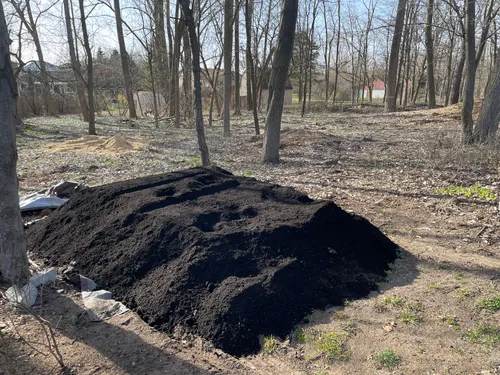
Spurt Industries is a composting and organic waste recycling company based in Novi, MI. They specialize in food waste collection for restaurants and commercial clients, as well as yard waste, brush, and clean wood recycling. Spurt produces STA certified compost and custom soil blends, serving both residential and commercial customers. Their facilities in Wixom and Rochester Hills handle large volumes of organic waste annually, contributing to sustainable soil products and environmental efforts. The company has a history of supporting local green industries and offers delivery services for compost and soil products.
Spurt SOCRRA Compost
1741 School Rd, Rochester Hills, MI 48307
Spurt SOCRRA Compost is a composting and organic waste recycling company located in Troy, MI. They provide commercial food waste collection services with carts and dumpsters for large waste generators, as well as yard waste, brush, and wood debris disposal. The company produces STA certified compost and custom soil blends, serving both residential and commercial clients. Spurt operates EGLE registered facilities and is the only producer of STA certified compost in Macomb, Wayne, and Oakland counties. They handle large-scale projects with deliveries ranging from small to over 1,000 yards of soil and compost products.
Understanding Dearborn's Waste Diversion Framework
Dearborn demonstrates a clear commitment to reducing landfill waste through mandatory recycling and yard waste ordinances. The city's residential program, managed by Priority Waste, requires residents to separate yard waste like leaves, grass clippings, and brush into designated bins or approved paper bags for composting 1. This foundational system highlights the community's infrastructure for processing organic material. For the business community, particularly restaurants, the path is less defined by municipal mandate but is supported by a growing cultural shift. Initiatives like the "Blueprint to Zero Food Waste" project, supported by local advocates, signal a strong municipal interest in expanding solutions for food scrap diversion across all sectors. This evolving landscape means restaurants have both an opportunity and a responsibility to seek out commercial solutions.
Commercial Food Waste & Composting Services for Restaurants
Unlike residential yard waste, Dearborn does not currently provide a city-run food scrap collection service for businesses. Therefore, restaurants must contract directly with private waste haulers who offer commercial organic waste recycling. These providers specialize in collecting food scraps and other acceptable materials, transporting them to industrial composting facilities or anaerobic digesters where they are processed into soil amendments or renewable energy.
Finding a Service Provider: Your first step is to identify haulers that service commercial accounts in Dearborn. Start by contacting Priority Waste, the city's designated residential hauler, to inquire if they offer commercial food scrap pickup. It is also essential to reach out to other regional and national waste management companies, such as Waste Management or Republic Services, as well as local, specialized organic waste haulers. A search for "commercial food waste pickup Dearborn MI" will help identify current service providers.
Service Logistics and Setup: Once you contact a hauler, you'll need to discuss several key service details:
- Container Types: Haulers typically provide dedicated containers for food waste. These often start at 32-gallon wheeled bins (similar to a city trash cart) for lower-volume producers and can scale up to 64-gallon carts or even large roll-off containers for high-volume establishments 2.
- Pickup Schedules: Frequency is tailored to your needs and can range from daily pickups for very busy kitchens to 1-3 times per week for most restaurants. The hauler will work with you to establish a schedule that prevents odor and pest issues.
- Acceptable Materials: Strict guidelines are crucial for preventing contamination. Generally accepted items include:
- Fruit and vegetable scraps
- Meat, fish, and bones
- Dairy products
- Eggshells
- Coffee grounds and filters
- Tea bags (staples removed)
- Food-soiled paper (e.g., uncoated napkins, pizza boxes)
- Contamination Rules: Contamination is the biggest challenge for composting programs. Haulers will strictly prohibit plastic bags, utensils, packaging, glass, metals, and rubber bands. Using certified compostable bags (if allowed by your hauler) or lining bins with newspaper can help keep containers clean.
Find the perfect composting & food waste companies for your needs
Get personalized recommendations and expert advice
Costs and Considerations for Restaurant Programs
Implementing a food waste diversion program involves an investment, but it can also lead to savings and operational benefits.
Pricing Structure: Costs are not fixed and vary significantly based on your restaurant's size and needs. Factors influencing price include:
- Volume of Waste: The size and number of containers you need.
- Pickup Frequency: More frequent service increases cost.
- Hauler and Location: Different companies have different rate structures for the Dearborn area. As a rough estimate, monthly costs can range from as low as $50 for a small cafe with weekly pickup to $200 or more for a full-service restaurant with multiple weekly pickups 3 4. The most accurate way to determine cost is to get detailed quotes from several providers.
Benefits Beyond Compliance: While there may be a new line item on your waste bill, a successful program offers tangible returns:
- Potential Cost Savings: By diverting heavy, wet food scraps from your trash, you may reduce the volume of general waste, allowing you to downsize your trash dumpster or reduce pickup frequency, offsetting some of the composting cost.
- Enhanced Sustainability Profile: Demonstrating a commitment to environmental stewardship resonates with customers and can be a powerful marketing tool.
- Waste Audit Insights: The process of setting up separation often leads to better inventory management and a reduction in food waste at the source.
Implementing a Program in Your Kitchen
Success hinges on effective internal processes. Start with a pilot program in one area, like prep stations, before rolling it out to the entire kitchen. Clearly label all collection bins with graphics showing what is and is not allowed. Train all staff-from dishwashers to chefs-on the new procedures and the importance of avoiding contamination. Place collection bins strategically where food waste is generated, such as at prep sinks, dish pits, and behind the line. Regularly audit your bins to ensure compliance and provide feedback to your team.
Local Resources and Future Developments
Stay informed about local support. The City of Dearborn's Public Works department is a key resource for information on waste policies 5. Furthermore, organizations like Make Food Not Waste are actively working on community-scale solutions, as evidenced by their Dearborn-specific blueprint 6. Engaging with these resources can provide networking opportunities, best practices, and early notice of any future municipal programs or incentives for commercial food waste diversion.
Frequently asked questions
Sources
Footnotes
-
What counts as yard waste? - WM - https://www.wm.com/us/en/support/faqs/products-and-services/what-counts-as-yard-waste ↩
-
Dearborn Mandatory Recycling Ordinance (All Units) - https://www.nationaldoorsteppickup.com/dearborn-mi-apartment-multifamily-recycling-ordinance ↩
-
Trash & Recycling | City of Dearborn - https://dearborn.gov/residents/public-works-utilities/trash-recycling ↩
-
Self-Service Tools & Apps for Waste Haulers | Routeware - https://routeware.com/solutions/customer-operations/self-service-tools/ ↩
-
(313) 943-2150 cityofdearborn.org - City of Dearborn - https://dearborn.gov/sites/default/files/2024-07/PMG%20Trifold%20Brochure%20-%20Call%20Center.pdf ↩
-
Blueprint Zero Food Waste Dearborn - https://makefoodnotwaste.org/wp-content/uploads/2025/09/2025-08-30-Dearborn.pdf ↩