Find the Best Composting & Food Waste Companies for Your Business
No obligation • Fast responses • Nationwide coverage

Why you can trust Restaurant Waste Disposal
Restaurant Waste Disposal is a leading U.S. resource for comparing restaurant composting, food-waste recycling, grease trap cleaning, and used cooking oil collection services. Our editorial team researches providers, checks credentials, and organizes unbiased information so operators can make informed decisions. Companies cannot pay to change ratings or placement.
Search providers near you
Top Composting & Food Waste Companies in Dearborn Heights, Michigan Ranked
For restaurants and food service businesses in Dearborn Heights, managing organic waste is a critical operational and environmental consideration. While the city offers a seasonal residential composting program through Priority Waste, commercial entities like restaurants require a dedicated, subscription-based service for food scrap recycling and organic waste diversion. Navigating the specifics for your business is essential for compliance, cost management, and contributing to local sustainability goals. This guide provides a roadmap for understanding the landscape of food waste management and composting options available to commercial kitchens in the area.
Understanding the distinction between residential and commercial programs is the first step. The municipal seasonal program is designed for households, leaving restaurants to seek out tailored solutions for their typically larger and more consistent volume of organic byproducts.

Midtown Composting
4272 Alter Rd, Detroit, MI 48215
Midtown Composting provides food waste and composting services for restaurants in Detroit, MI. They offer weekly pickup of food scraps, including pet waste and meat, helping businesses reduce trash and compost organic materials. The company also provides lawn care and snow removal services.
Spurt Industries
2041 Charms Rd, Wixom, MI 48393
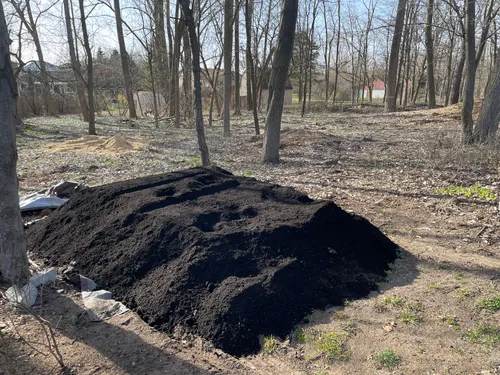
Spurt Industries is a composting and organic waste recycling company based in Novi, MI. They specialize in food waste collection for restaurants and commercial clients, as well as yard waste, brush, and clean wood recycling. Spurt produces STA certified compost and custom soil blends, serving both residential and commercial customers. Their facilities in Wixom and Rochester Hills handle large volumes of organic waste annually, contributing to sustainable soil products and environmental efforts. The company has a history of supporting local green industries and offers delivery services for compost and soil products.
Spurt SOCRRA Compost
1741 School Rd, Rochester Hills, MI 48307
Spurt SOCRRA Compost is a composting and organic waste recycling company located in Troy, MI. They provide commercial food waste collection services with carts and dumpsters for large waste generators, as well as yard waste, brush, and wood debris disposal. The company produces STA certified compost and custom soil blends, serving both residential and commercial clients. Spurt operates EGLE registered facilities and is the only producer of STA certified compost in Macomb, Wayne, and Oakland counties. They handle large-scale projects with deliveries ranging from small to over 1,000 yards of soil and compost products.
Understanding Commercial vs. Residential Programs
The City of Dearborn Heights contracts with Priority Waste for residential trash, recycling, and seasonal yard waste collection. This seasonal program, running from April 1st to the second Friday in December, allows residents to set out yard waste and certain food scraps in labeled bins or compostable bags. However, this program is not designed for the scale, frequency, or regulatory needs of a commercial food service establishment.
Restaurants are considered commercial entities and are therefore not covered under this municipal offering. Instead, commercial organic waste management operates on a private subscription basis. Businesses must contract directly with a waste hauler-which in Dearborn Heights is often still Priority Waste-for a customized service plan 1 2. This means pickup schedules, container sizes, and costs are determined by your restaurant's specific waste output and needs.
Key Service Components for Restaurants
When setting up a commercial food waste diversion program, several key components must be addressed. These factors influence service efficiency, cost, and environmental impact.
Container Types and Sizes: Unlike the residential 35-gallon can limit, commercial services typically offer much larger options 3. Restaurants can expect to use wheeled totes (e.g., 64-gallon or 96-gallon carts) or even dumpsters, depending on volume. The hauler will provide the appropriate containers as part of the service agreement.
Pickup Frequency: Service frequency is flexible and based on your needs. A high-volume restaurant may require pickup several times a week, while a smaller cafe might only need weekly service. Establishing the right frequency is crucial to avoid overflow and odor issues.
Accepted Materials (Contamination Rules): One of the most critical aspects is knowing exactly what can and cannot go into the organics bin. While programs generally accept food scraps, soiled paper, and compostable serviceware, strict rules against plastic, glass, and metal contamination are universal. Using certified compostable bags for lining bins is often required, as standard plastic bags are a major contaminant. Clarifying these rules with your provider upfront is essential to avoid rejected loads or additional fees.
Find the perfect composting & food waste companies for your needs
Get personalized recommendations and expert advice
The Business Case for Food Waste Diversion
Implementing a food scrap recycling program is more than an environmental gesture; it's a strategic business decision. Diverting organic waste from the landfill can lead to direct cost savings, especially if your trash volume (and associated pickup frequency) decreases as a result. It also aligns with growing consumer preference for sustainable businesses and can enhance your restaurant's brand reputation. Furthermore, proactive waste management, including proper handling of fats, oils, and grease (FOG), is a key industry best practice for preventing plumbing issues and maintaining a clean, efficient operation.
Steps to Establish Service in Dearborn Heights
Taking action to set up service is a straightforward process centered on direct communication with service providers.
- Assess Your Waste Stream: Before contacting haulers, conduct a brief audit. Estimate how many gallons or pounds of food waste you generate weekly and note your current trash pickup schedule and costs.
- Contact Priority Waste for a Commercial Quote: As the city's contracted residential hauler, Priority Waste is a logical first point of contact for commercial food waste services in Dearborn Heights. Visit their municipal webpage or call their commercial services department directly. Be prepared to discuss your volume estimates and desired pickup frequency.
- Request Specific Guidelines: During your inquiry, explicitly ask for:
- A detailed list of accepted and prohibited materials.
- The types and sizes of containers they provide.
- All associated costs (monthly fee, per-pickup charge, etc.).
- The specific pickup day and schedule for your location.
- Implement Internal Bin Systems: Once service is established, set up clearly labeled collection bins in your kitchen and prep areas. Train all staff on what goes where to minimize contamination, which is the most common challenge for successful programs.
Beyond Curbside: Additional Considerations
While curbside collection is the core service, restaurants should consider a holistic waste management strategy.
Grease Trap Maintenance: Regular grease trap pumping is a non-negotiable part of restaurant operations to prevent sewer backups and comply with local codes. Many waste management companies that handle food scraps also offer grease trap cleaning services or can recommend a provider.
Used Cooking Oil (UCO) Recycling: Recycling used fryer oil is another valuable stream. Specialty renderers often provide this service for free or even pay for high-quality UCO, which is converted into biodiesel. This can be a separate service or sometimes bundled with other waste contracts.
Waste Reduction at the Source: The most effective strategy is to create less waste in the first place. Techniques like careful inventory management, creative menu planning to use trimmings, and proper food storage can significantly reduce the volume of organics needing disposal, thereby lowering service costs 4.
Frequently asked questions
Sources
Footnotes
-
Dearborn Heights, MI Trash & Recycling Pickup - Priority Waste - https://www.prioritywaste.com/municipality/dearborn-heights-mi/ ↩
-
Trash & Recycling | City of Dearborn - https://dearborn.gov/residents/public-works-utilities/trash-recycling ↩
-
Priority Waste-Brochure-City of Dearborn Heights - https://www.prioritywaste.com/wp-content/uploads/2022/03/Priority-Waste-Brochure-City-of-Dearborn-Heights-20220316.pdf ↩
-
Best Practices for Restaurant Waste Disposal | Bar & Restaurant - https://www.barandrestaurant.com/operations/best-practices-restaurant-waste-disposal ↩