Find the Best Composting & Food Waste Companies for Your Business
No obligation • Fast responses • Nationwide coverage

Why you can trust Restaurant Waste Disposal
Restaurant Waste Disposal is a leading U.S. resource for comparing restaurant composting, food-waste recycling, grease trap cleaning, and used cooking oil collection services. Our editorial team researches providers, checks credentials, and organizes unbiased information so operators can make informed decisions. Companies cannot pay to change ratings or placement.
Search providers near you
Top Composting & Food Waste Companies in Weymouth, Massachusetts Ranked
For restaurants and food service businesses in Weymouth, managing organic waste is not just an environmental consideration-it's a legal requirement. Massachusetts' Commercial Food Material Disposal Ban mandates that any business generating one-half ton or more of food scraps per week must divert that material from landfills and incinerators. This organic waste recycling regulation means most Weymouth restaurants must partner with private haulers to establish a composting or food waste diversion program. Implementing a system for organic waste management can lead to operational savings, reduce your environmental footprint, and ensure compliance with state law. This guide outlines the steps, logistics, and resources specific to establishing a successful food scrap diversion program in Weymouth.
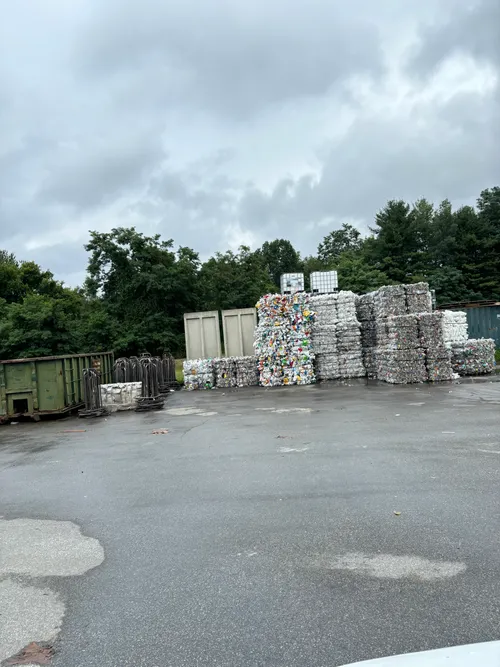
Recycle Boston
516 E 2nd St, Boston, MA 02127
Recycle Boston is a waste management company based in Brookline, MA, specializing in food waste composting and recycling services for restaurants and other businesses. They focus on improving business recycling processes by offering solutions for various materials including compostable waste, recycled plastics, reused wood, and e-waste. Their approach emphasizes sustainability and resource conservation through innovative recycling technology and community initiatives. Recycle Boston supports local businesses by providing access to sustainability resources and promoting green certification as a business advantage. The company is known for offering same-day pickup services and efficient scheduling to accommodate customer needs.
Bootstrap Compost
17 Dalrymple St, Jamaica Plain, MA 02130
Bootstrap Compost provides food waste and composting services for restaurants in Newton, MA. The company focuses on collecting organic waste to support sustainable composting practices in the local community.
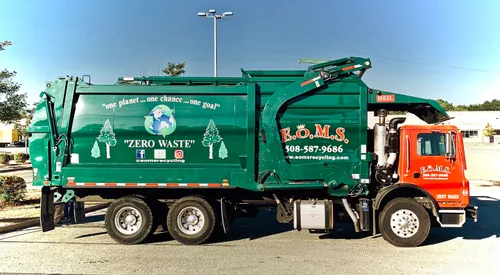
E.O.M.S. Recycling
318 Manley St, West Bridgewater, MA 02379
E.O.M.S. Recycling provides tailored recycling and solid waste solutions for restaurants and other businesses in Brockton, MA. They specialize in food waste and composting services, offering customized waste management plans based on detailed waste stream audits. The company supports effective recycling and waste reduction for a variety of clients including schools and municipalities, helping to manage waste streams efficiently.
Understanding the Massachusetts Organic Waste Ban
The cornerstone of food waste policy for Weymouth businesses is the state's organics waste ban. Enacted in 2014 and expanded in November 2022, the ban prohibits the disposal of commercial food material from entities that generate one-half ton (1,000 pounds) or more per week. This threshold applies to many restaurants, cafeterias, supermarkets, and other food service establishments.
Key Requirements for Weymouth Restaurants:
- Mandatory Diversion: If you meet the threshold, you must arrange for food scraps to be composted, donated, or sent to an anaerobic digestion facility. Throwing them in the regular trash is a violation.
- Private Service Required: While the Town of Weymouth provides residential recycling and trash services, commercial organic waste collection is handled through private vendors. Your business must contract directly with a permitted hauler.
- Compliance is Proactive: It is the responsibility of the business owner to evaluate their waste stream, determine if they meet the threshold, and secure the necessary services.
The ban has been a significant driver for the organics recycling industry in Massachusetts, creating economic opportunities and diverting millions of tons of material from disposal 1.
Setting Up a Commercial Composting Program
Transitioning to organic waste recycling involves a few key logistical steps. A well-planned program is easier for staff to follow and more cost-effective to operate.
Step 1: Conduct a Waste Audit
Before contacting vendors, estimate your weekly food waste volume. This can be as simple as tracking the number and size of trash bags containing primarily food scraps over a week. Many haulers and free resources like RecyclingWorks Massachusetts can assist with this assessment. Knowing your volume is critical for selecting the right container size and pickup frequency.
Step 2: Select a Hauler and Service Plan
You will need to contract with a private waste hauler permitted to collect organic material in Massachusetts. Major national providers like Republic Services and Waste Management offer these services, as do several local and regional composters.
When evaluating service providers, consider:
- Container Options: Haulers typically provide dedicated carts or dumpsters. The Massachusetts Department of Environmental Protection (MassDEP) has even offered grant programs for carts to help businesses start composting. Common sizes range from 20-gallon wheeled carts to 64-gallon carts, often with locking lids to prevent pests.
- Pickup Frequency: Service is often weekly, but high-volume establishments may require more frequent pickups.
- Pricing Structure: Costs vary based on volume, frequency, and hauler. Always request detailed quotes.
Step 3: Implement Proper Sorting and Collection
Clear signage and staff training are essential for a contamination-free program. Place your compost collection container in a convenient location, such as the kitchen prep or dishwashing area.
What CAN be composted in a commercial program typically includes:
- All food scraps (fruits, vegetables, meat, bones, dairy, bread, grains)
- Coffee grounds and filters
- Tea bags (without staples)
- Soiled, non-recyclable paper like napkins, paper towels, and pizza boxes (check with your hauler) 2
What MUST stay out (common contaminants):
- Plastic bags (unless they are certified compostable liners provided or approved by your hauler)
- Styrofoam, glass, metal, or rubber
- Liquids and cooking oils (these require separate grease trap or used oil recycling)
- Trash or recyclables 3
Find the perfect composting & food waste companies for your needs
Get personalized recommendations and expert advice
The Financial Perspective: Costs and Potential Savings
A common concern is the cost of adding a new waste stream. However, a well-managed organics diversion program can be financially neutral or even save money over time.
- Variable Costs: Your costs for composting services will depend on your container size, pickup frequency, and the hauler's rates. It's important to get multiple quotes.
- Offsetting Trash Costs: The key to savings lies in reducing your traditional trash disposal. Since you are diverting heavy, wet food waste into the compost stream, you can often downsize your trash dumpster or reduce pickup frequency. Because trash disposal is typically more expensive per ton than composting, this reduction can directly lower your overall waste bill 4 5.
- Incentives and Grants: Explore potential resources like the MassDEP Cart Grant program, which has helped businesses acquire the containers needed to start composting 6. The state report on the ban's impact notes it has boosted business for the organics recycling sector, indicating a mature and competitive market for services 7.
Local Resources and Next Steps for Weymouth Businesses
Getting started is easier with the right help. Weymouth businesses have access to excellent free resources.
- RecyclingWorks Massachusetts: This is your go-to resource. Funded by the MassDEP, RecyclingWorks offers free technical assistance to businesses. They can help you conduct a waste assessment, find certified haulers and compost facilities servicing the Weymouth area, and develop training materials for your staff 8.
- South Shore Recycling Cooperative (SSRC): Weymouth is a member of the SSRC, which provides regional recycling information and guidance for municipalities and businesses 9.
- Direct Hauler Engagement: Reach out to waste and recycling companies that service the South Shore. Be prepared to discuss your estimated weekly volume to receive an accurate service quote.
Implementing an organics diversion program is a strategic move for Weymouth restaurants. It ensures compliance with state law, can reduce operational costs, and aligns with the growing consumer preference for environmentally responsible businesses. By taking a systematic approach-auditing waste, choosing the right partner, and training your team-you can turn food waste from a disposal problem into a resource.
Frequently asked questions
Sources
Footnotes
-
https://refed.org/articles/guest-blog-from-mandate-to-momentum-how-massachusetts-turned-an-organic-waste-ban-into-a-model-for-success/ ↩
-
https://www.webstaurantstore.com/article/60/restaurant-composting.html ↩
-
https://www.epa.gov/sustainable-management-food/composting ↩
-
https://recyclingworksma.com/how-to/business-sector-guidance/restaurants/ ↩
-
https://www.mass.gov/guides/commercial-food-material-disposal-ban ↩
-
https://www.mass.gov/doc/details-food-waste-collection-carts-0/download ↩
-
https://www.mass.gov/news/new-report-massdep-food-waste-ban-boosts-business ↩
-
https://www.mass.gov/doc/fact-sheet-your-business-the-waste-bans/download ↩