Find the Best Composting & Food Waste Companies for Your Business
No obligation • Fast responses • Nationwide coverage

Why you can trust Restaurant Waste Disposal
Restaurant Waste Disposal is a leading U.S. resource for comparing restaurant composting, food-waste recycling, grease trap cleaning, and used cooking oil collection services. Our editorial team researches providers, checks credentials, and organizes unbiased information so operators can make informed decisions. Companies cannot pay to change ratings or placement.
Search providers near you
Top Composting & Food Waste Companies in Brookline, Massachusetts Ranked
For restaurants and food service businesses in Brookline, managing organic waste is not just an environmental choice-it's a regulatory requirement. The town, in alignment with Massachusetts state law, mandates that commercial entities generating significant volumes of food scraps must divert this material from landfills and incinerators. This framework for commercial organics recycling is designed to reduce greenhouse gas emissions, create valuable compost, and help businesses potentially lower their overall waste disposal costs. Navigating the rules involves understanding state thresholds, selecting a permitted hauler, and implementing proper on-site collection practices to ensure compliance and efficiency.
Recycle Boston
516 E 2nd St, Boston, MA 02127
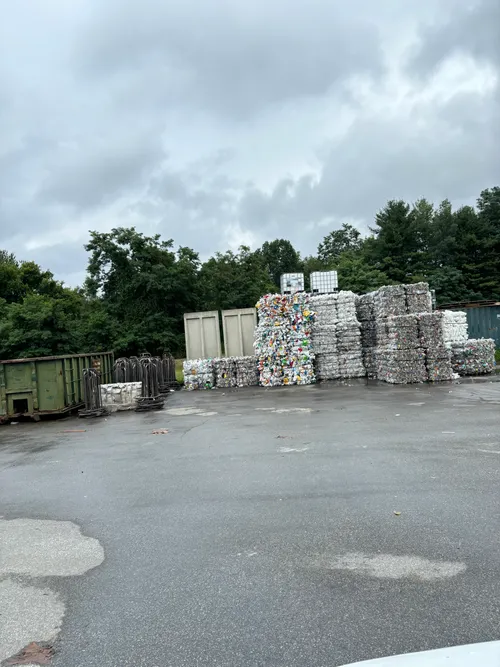
Recycle Boston is a waste management company based in Brookline, MA, specializing in food waste composting and recycling services for restaurants and other businesses. They focus on improving business recycling processes by offering solutions for various materials including compostable waste, recycled plastics, reused wood, and e-waste. Their approach emphasizes sustainability and resource conservation through innovative recycling technology and community initiatives. Recycle Boston supports local businesses by providing access to sustainability resources and promoting green certification as a business advantage. The company is known for offering same-day pickup services and efficient scheduling to accommodate customer needs.

Bootstrap Compost
17 Dalrymple St, Jamaica Plain, MA 02130
Bootstrap Compost provides food waste and composting services for restaurants in Newton, MA. The company focuses on collecting organic waste to support sustainable composting practices in the local community.
E.O.M.S. Recycling
318 Manley St, West Bridgewater, MA 02379
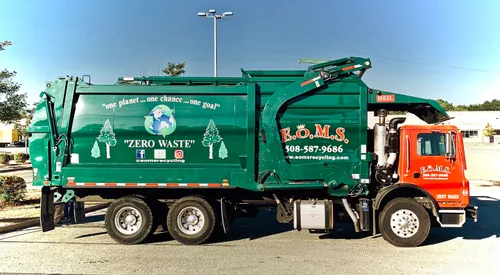
E.O.M.S. Recycling provides tailored recycling and solid waste solutions for restaurants and other businesses in Brockton, MA. They specialize in food waste and composting services, offering customized waste management plans based on detailed waste stream audits. The company supports effective recycling and waste reduction for a variety of clients including schools and municipalities, helping to manage waste streams efficiently.
Understanding the Massachusetts Commercial Organics Ban
The cornerstone of food waste diversion in Brookline is the Massachusetts Department of Environmental Protection (MassDEP) commercial organics disposal ban. This regulation prohibits the disposal of commercial food waste from businesses that generate one-half ton (1,000 pounds) or more of these materials per week. This applies to spoiled food, preparation scraps, and post-consumer plate waste. The first step for any Brookline restaurant is to conduct a waste audit to estimate weekly output. Tools and guidance for this are available through resources like RecyclingWorks Massachusetts. If your establishment meets or exceeds this threshold, you are legally required to arrange for the collection and recycling of this material through a permitted service.
Brookline's Local Hauling Permit Requirements
In addition to the state mandate, Brookline has its own local solid waste regulations. All waste haulers operating within the town must obtain a permit from the Brookline Department of Public Works (DPW). For businesses, this means you must contract with a hauler who holds a current Brookline permit for commercial organics collection. Using a non-permitted service would violate town regulations. This system helps the town ensure that haulers are properly insured and operating in accordance with local standards for collection and disposal.
Selecting a Commercial Organics Hauler
Since the town's curbside composting program is designed for residents, restaurants and other commercial entities must engage a private, permitted hauler for food scrap collection. Several regional and national providers offer organic waste recycling services in Brookline. Examples include Black Earth Compost, EOMS Recycling, Waste Management, and Republic Services, among others. It is crucial to contact multiple providers to request quotes and service details. When evaluating services, inquire about their specific Brookline permit status, collection frequency (typically weekly for organics), accepted materials list, and provided container options.
Key Considerations When Choosing a Provider:
- Permit Verification: Confirm the hauler is on Brookline's list of permitted waste collectors.
- Service Flexibility: Ensure pickup schedules align with your kitchen's volume and pace.
- End Destination: Ask where the collected material is processed-it should be a licensed composting facility or anaerobic digester.
On-Site Storage and Container Guidelines
Proper on-site handling is critical for a successful and sanitary organics recycling program. Brookline's regulations emphasize the use of appropriate containers to prevent pests, odors, and contamination 1.
Container Specifications: Containers for food scraps must be durable, watertight, and rodent-proof with tight-fitting lids. Many haulers will provide or recommend specific carts or bins designed for commercial organic waste. Using the correct container helps maintain a clean operation and complies with local health and sanitation codes.
Accepted Materials: At the commercial scale, the list of accepted organic materials is broad. In addition to fruit and vegetable scraps, businesses can typically include:
- Meat, seafood, and bones
- Dairy products
- Eggshells and nuts
- Bread, pasta, and grains
- Coffee grounds and filters
- Tea bags (without staples)
- Food-soiled paper products (like napkins and uncoated paper towels)
- Fats, oils, and grease (often with specific guidance from the hauler)
Managing Contamination and Liners
Contamination-the presence of non-compostable items in the organics stream-is a major concern for processors. It can ruin entire loads of compost. To prevent this:
- Educate Staff: Clearly label bins and train all kitchen and service staff on what goes where.
- Use Approved Bags: If using liners, they must be certified compostable. Many haulers require specific brands or types (e.g., BPI-certified bags). Plastic bags, even those labeled "biodegradable," are not allowed and are considered contamination 2 3.
- Monitor Bins: Regularly check organics containers for misplaced items like plastic wrap, utensils, or glass.
Find the perfect composting & food waste companies for your needs
Get personalized recommendations and expert advice
The Financial Perspective: Costs and Potential Savings
Implementing a food waste diversion program involves a service fee from your chosen hauler. The cost varies based on factors like collection frequency, volume, and hauler pricing structures 4 5. However, it's important to view this as part of your overall waste management strategy. By diverting heavy, wet food scraps from your trash stream, you can often significantly reduce the volume of trash you generate. This can allow you to downsize your trash dumpster or reduce the frequency of trash pickups, leading to direct savings on your trash hauling bill 4 5. For many businesses, the reduction in trash costs can partially or fully offset the new cost of organics recycling.
Beyond the Bin: Grease Trap and Cooking Oil Management
While focused on solid food scraps, a comprehensive waste strategy for restaurants also includes managing fats, oils, and grease (FOG). Proper FOG management prevents sewer blockages and is required by law. Many commercial organics haulers or specialized providers also offer used cooking oil collection (which is recycled into biodiesel) and grease trap cleaning services. Coordinating these services can streamline vendor management and ensure all organic byproducts are handled responsibly.
Steps to Launch Your Program
- Conduct a Waste Audit: Use available tools to estimate if you generate 0.5 tons or more of food waste per week 6.
- Research Permitted Haulers: Contact several Brookline-permitted organic waste recyclers for quotes and service details.
- Select and Set Up Service: Choose a hauler, schedule a start date, and obtain the proper rodent-proof containers.
- Train Your Team: Educate every employee on the new system, focusing on what is compostable and the importance of avoiding contamination.
- Monitor and Adjust: Track participation and contamination levels, and adjust training or bin placement as needed. The Brookline DPW can be a resource for regulatory questions 7 8.
Successfully integrating organics recycling into your operations supports Brookline's sustainability goals, complies with state and local mandates, and reflects positively on your business's commitment to the community and environment.
Frequently asked questions
Sources
Footnotes
-
Waste Storage Best Practices | Brookline, MA - Official Website - https://www.brooklinema.gov/3759/Waste-Storage-Best-Practices ↩
-
SCHOOL COMPOSTING F.A.Q. - Brookline, MA - https://www.brooklinema.gov/DocumentCenter/View/37840/Composting-FAQ?bidId= ↩
-
Curbside Composting | Brookline, MA - Official Website - https://www.brooklinema.gov/3752/Curbside-Composting ↩
-
Food Waste Composting/Organic Recycling - https://eomsrecycling.com/food-waste-composting-organic-recycling/ ↩ ↩2
-
Town of Brookline Zero Waste Framework - https://www.brooklinema.gov/DocumentCenter/View/32461/Zero-Waste-Framework-Final ↩ ↩2
-
Restaurants - https://recyclingworksma.com/how-to/business-sector-guidance/restaurants/ ↩
-
Solid Waste Regulations PDF | Brookline, MA - https://www.brooklinema.gov/DocumentCenter/View/1081/Solid-Waste-Regulations-PDF?bidId= ↩
-
SOLID WASTE REGULATIONS - Brookline, MA - https://www.brooklinema.gov/DocumentCenter/View/44559/SOLID-WASTE-REGULATIONS-CURRENT ↩