Find the Best Composting & Food Waste Companies for Your Business
No obligation • Fast responses • Nationwide coverage

Why you can trust Restaurant Waste Disposal
Restaurant Waste Disposal is a leading U.S. resource for comparing restaurant composting, food-waste recycling, grease trap cleaning, and used cooking oil collection services. Our editorial team researches providers, checks credentials, and organizes unbiased information so operators can make informed decisions. Companies cannot pay to change ratings or placement.
Search providers near you
Top Composting & Food Waste Companies in Brockton, Massachusetts Ranked
For restaurants in Brockton, managing food scraps is no longer just an environmental consideration-it's a regulatory requirement. Massachusetts' Commercial Organics Waste Ban mandates that food establishments generating a certain volume of waste must divert it from landfills. This creates a critical need for reliable composting and food waste recycling services. Navigating this process involves understanding local rules, selecting a hauler, and implementing effective on-site separation to ensure compliance and potentially reduce overall waste disposal costs. This guide provides Brockton restaurant owners and managers with the essential information to establish a successful organics diversion program.
Recycle Boston
516 E 2nd St, Boston, MA 02127
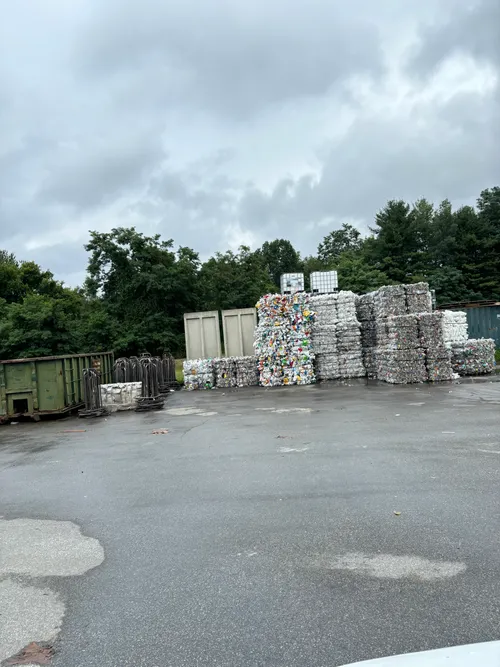
Recycle Boston is a waste management company based in Brookline, MA, specializing in food waste composting and recycling services for restaurants and other businesses. They focus on improving business recycling processes by offering solutions for various materials including compostable waste, recycled plastics, reused wood, and e-waste. Their approach emphasizes sustainability and resource conservation through innovative recycling technology and community initiatives. Recycle Boston supports local businesses by providing access to sustainability resources and promoting green certification as a business advantage. The company is known for offering same-day pickup services and efficient scheduling to accommodate customer needs.
Bootstrap Compost
17 Dalrymple St, Jamaica Plain, MA 02130
Bootstrap Compost provides food waste and composting services for restaurants in Newton, MA. The company focuses on collecting organic waste to support sustainable composting practices in the local community.
E.O.M.S. Recycling
318 Manley St, West Bridgewater, MA 02379
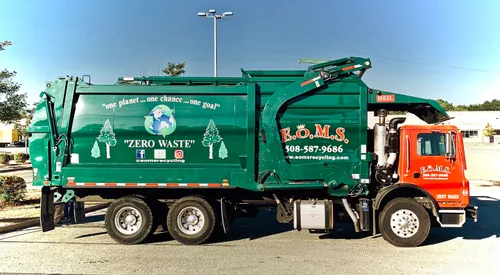
E.O.M.S. Recycling provides tailored recycling and solid waste solutions for restaurants and other businesses in Brockton, MA. They specialize in food waste and composting services, offering customized waste management plans based on detailed waste stream audits. The company supports effective recycling and waste reduction for a variety of clients including schools and municipalities, helping to manage waste streams efficiently.
Understanding the Massachusetts Organics Waste Ban
The cornerstone of food waste management for Brockton businesses is the state's Commercial Organics Waste Ban, enforced by the Massachusetts Department of Environmental Protection (MassDEP). This regulation is designed to reduce greenhouse gas emissions from landfills and create valuable compost material.
Key Eligibility Threshold: The ban specifically applies to businesses, including restaurants, that generate one-half ton (1,000 pounds) or more of food waste per week. It's important for restaurant operators to conduct a waste audit to accurately estimate their weekly output of food scraps, soiled paper, and other organic materials. Even if your establishment is slightly below this threshold, proactively implementing a food scrap recycling program can streamline operations for future growth and demonstrate environmental leadership.
Scope of Regulated Materials: The ban covers a broad range of organic matter commonly found in restaurant waste streams. This includes all food scraps-both pre-consumer (kitchen prep waste) and post-consumer (plate scrapings)-as well as food-soiled paper products like uncoated paper plates, napkins, and pizza boxes. By separating these materials, they can be transformed into compost or renewable energy instead of taking up space in a landfill.
Setting Up Your On-Site Collection System
A successful organics diversion program starts inside your restaurant with proper containers and clear procedures. Contamination from non-compostable items is the biggest challenge for haulers and processing facilities, so setting up correctly from the beginning is crucial.
Container Types and Placement:
- Kitchen Collection: Use small, lidded pails (typically 5-10 gallons) in food prep areas, at dishwashing stations, and near cooking lines. These should be easy to empty and clean.
- Customer-Facing Areas: Consider providing clearly labeled bins for customers to dispose of food scraps and compostable serviceware, if used.
- Outdoor Storage: Haulers will typically provide larger wheeled carts for outdoor storage and pickup. Common sizes are 64-gallon or 96-gallon carts, similar to recycling toters. The number and size depend on your volume and pickup frequency.
Clear Contamination Guidelines: Staff training is the most critical component. Post simple, visual guides above collection stations detailing what is and is not acceptable.
- ACCEPT: All food scraps (vegetables, fruit, meat, bones, dairy, bread), coffee grounds and filters, tea bags, and food-soiled paper like uncoated paper towels and napkins.
- DO NOT ACCEPT: Plastic bags (even those labeled "compostable" unless explicitly accepted by your hauler), plastic utensils, styrofoam, glass, metal, rubber bands, and liquids. Liquids like soups or coffee should be poured down the drain before scraping solids into the compost bin.
Find the perfect composting & food waste companies for your needs
Get personalized recommendations and expert advice
Choosing a Service Provider in Brockton
While the City of Brockton does not operate a municipal commercial food waste collection service, several private haulers and specialized providers serve the area. Selecting the right partner is key to a cost-effective and compliant program.
Major National Haulers: Companies like Waste Management and Republic Services offer commercial organics collection services in Brockton, often allowing you to bundle food waste pickup with your existing trash and recycling contracts. This can simplify billing and logistics.
Local and Regional Providers: It's also advisable to get quotes from local waste management companies. Providers such as WasteZero or B & G Waste may offer competitive rates and personalized service. When contacting providers, be prepared to discuss your estimated weekly volume, desired pickup frequency, and need for equipment (carts, pails).
Service Logistics: Pickup frequency is typically 2 to 3 times per week for active restaurants to prevent odor and pest issues. Discuss this schedule with potential haulers to ensure it matches your operational needs. Be sure to ask where they take the collected organics-whether to a local composting facility or an anaerobic digester-so you can understand the full lifecycle of your waste.
Analyzing Costs and Potential Savings
Implementing a food scrap recycling program involves new costs, but it can also lead to significant savings by reducing your trash disposal volume and associated fees.
Cost Structure: Pricing is variable and depends on container size, pickup frequency, total volume, and your hauler contract. Many restaurants find that adding an organics service is often cheaper than sending the same volume of material to a landfill as trash 1. You can expect costs to range from a few hundred dollars per month for smaller operations to more for high-volume establishments.
Financial Incentives: The primary financial benefit comes from "right-sizing" your trash service. As you divert food scraps and soiled paper into the compost stream, the volume and weight of your regular trash will decrease. This may allow you to reduce the size of your trash dumpster or decrease pickup frequency, leading to direct savings on your trash bill. Always request a side-by-side comparison from haulers showing the cost of your new, multi-stream service (trash, recycling, compost) versus your old trash-only or trash-and-recycling setup.
Steps to Launch Your Program
- Conduct a Waste Audit: Track your food waste for a week to determine if you meet the 1/2-ton threshold and to understand your generation patterns.
- Research and Contact Haulers: Get detailed quotes from at least three providers, including both national and local companies. Ask about equipment provision, pickup schedules, contamination policies, and destination facilities.
- Review and Compare Costs: Analyze the quotes not just on price, but on service details. Calculate the potential net cost after factoring in expected reductions in your trash service.
- Procure Indoor Bins and Create Signage: Set up your internal collection system before the service starts. Clear, multilingual signage is invaluable.
- Train Your Staff Thoroughly: Hold training sessions for all employees, emphasizing the "why" and the "what." Make sure everyone knows what goes in the compost bin and what doesn't. Designate a sustainability champion on staff to monitor bins and answer questions.
- Launch and Monitor: Start the service and check outdoor carts for contamination regularly, especially in the first few weeks. Provide feedback to your team and adjust as needed.