Find the Best Composting & Food Waste Companies for Your Business
No obligation • Fast responses • Nationwide coverage

Why you can trust Restaurant Waste Disposal
Restaurant Waste Disposal is a leading U.S. resource for comparing restaurant composting, food-waste recycling, grease trap cleaning, and used cooking oil collection services. Our editorial team researches providers, checks credentials, and organizes unbiased information so operators can make informed decisions. Companies cannot pay to change ratings or placement.
Search providers near you
Best Composting & Food Waste Companies in Massachusetts Ranked
For restaurants and food service businesses in Massachusetts, managing organic waste is not just an environmental consideration-it's a regulatory requirement. The state's Commercial Food Material Disposal Ban mandates that businesses generating significant amounts of food scraps divert this material from landfills. This creates a structured landscape for organics recycling, offering both obligations and opportunities for cost savings and sustainability. Understanding the rules, available services, and best practices is essential for compliance and operational efficiency.
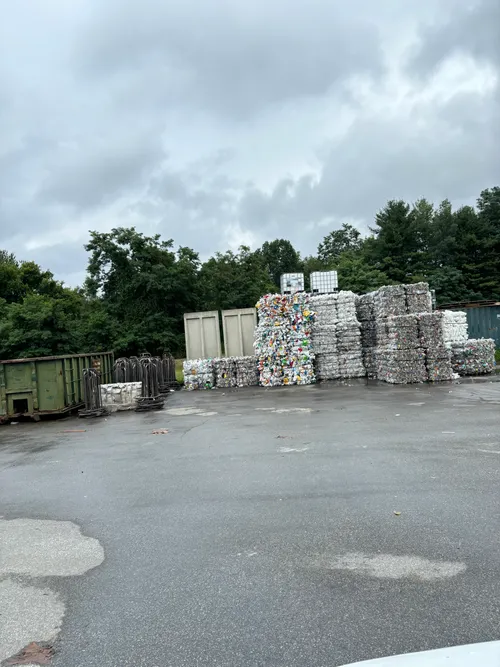
Recycle Boston
516 E 2nd St, Boston, MA 02127
Recycle Boston is a waste management company based in Brookline, MA, specializing in food waste composting and recycling services for restaurants and other businesses. They focus on improving business recycling processes by offering solutions for various materials including compostable waste, recycled plastics, reused wood, and e-waste. Their approach emphasizes sustainability and resource conservation through innovative recycling technology and community initiatives. Recycle Boston supports local businesses by providing access to sustainability resources and promoting green certification as a business advantage. The company is known for offering same-day pickup services and efficient scheduling to accommodate customer needs.

Bootstrap Compost
17 Dalrymple St, Jamaica Plain, MA 02130
Bootstrap Compost provides food waste and composting services for restaurants in Newton, MA. The company focuses on collecting organic waste to support sustainable composting practices in the local community.
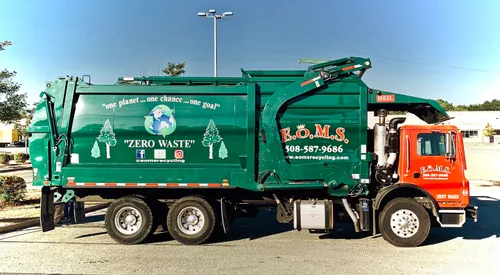
E.O.M.S. Recycling
318 Manley St, West Bridgewater, MA 02379
E.O.M.S. Recycling provides tailored recycling and solid waste solutions for restaurants and other businesses in Brockton, MA. They specialize in food waste and composting services, offering customized waste management plans based on detailed waste stream audits. The company supports effective recycling and waste reduction for a variety of clients including schools and municipalities, helping to manage waste streams efficiently.
Understanding the Massachusetts Organics Waste Ban
At the core of food waste management in Massachusetts is the state's Commercial Food Material Disposal Ban. Enacted to reduce greenhouse gas emissions from landfills and recycle valuable nutrients, this regulation sets clear requirements for businesses.
Who must comply? The ban applies to any business or institution that generates one-half ton (1,000 pounds) or more of organic material per week. This includes restaurants, supermarkets, hotels, hospitals, colleges, and large cafeterias. The threshold was reduced from one ton to half a ton in 2022, bringing more businesses into the scope of the regulation1.
What materials are included? The ban covers commercial organic waste, which encompasses food scraps, spoiled food, food processing residue, and recyclable paper like pizza boxes or napkins that are contaminated with food. Essentially, any material that can be composted or anaerobically digested falls under this mandate.
What are the required actions? Affected businesses are prohibited from sending this organic waste to a landfill or combustion facility. Instead, they must arrange for diversion through one of several approved methods2 3:
- Donation of surplus edible food.
- Sending materials to an anaerobic digestion facility, which creates renewable energy.
- Composting at a licensed facility.
- Repurposing as animal feed.
- On-site processing using approved technologies.
Approved Methods for Food Waste Diversion
Massachusetts provides several pathways for businesses to meet their organics recycling obligations. Choosing the right method depends on your volume, location, budget, and operational setup.
1. Hauler Services for Off-Site Processing This is the most common solution for restaurants. Businesses contract with a licensed waste hauler who provides dedicated carts or dumpsters for organic material. The hauler then transports the waste to a permitted composting facility or anaerobic digester.
- Anaerobic Digestion: This process breaks down organic material in an oxygen-free environment, producing biogas (which can be used for electricity or renewable natural gas) and digestate (a nutrient-rich fertilizer)4. Massachusetts has invested in this infrastructure.
- Composting: Traditional aerobic decomposition creates a valuable soil amendment. Many haulers offer "compostable" service, which may include certified compostable packaging and serviceware.
- Animal Feed: Some food scraps, particularly pre-consumer vegetable matter, can be processed for animal feed.
2. Food Donation Before considering waste, the state encourages source reduction and donation. The Federal Bill Emerson Good Samaritan Food Donation Act protects businesses from liability when donating food in good faith. Partnering with local food banks, shelters, or organizations like the Massachusetts Food System Collaborative can redirect surplus edible food to those in need, offering a dual benefit of community support and waste reduction.
3. On-Site Solutions For some businesses, processing waste on-premises is a viable option.
- On-Site Composting: Suitable for operations with outdoor space, this involves managing compost piles or bins. It requires training and careful management to avoid odors and pests.
- Dehydrators/Digesters: Electric or bio-enzymatic units can significantly reduce the volume and weight of food scraps on-site. The output may be suitable for garden compost or, in some cases, can be disposed of down the drain (subject to local sewer regulations). This option can drastically reduce hauling frequency and costs.
Costs, Savings, and Financial Support
Implementing a food waste diversion program involves costs, but it can also lead to significant savings and is supported by state resources.
Potential Costs:
- Hauler Service Fees: These vary based on volume, frequency of pickup, location, and the hauler. You will receive a separate invoice for organics collection.
- Equipment: You may need new bins, carts, or liners for kitchen and back-of-house collection.
- Staff Training: Time investment is required to educate staff on proper sorting procedures.
Potential Savings: The most direct financial benefit comes from reducing your trash disposal costs. By diverting heavy, wet organic material from your standard trash dumpster, you can often:
- Reduce the size of your trash container.
- Decrease the frequency of trash pickups.
- Lower your overall waste management expenses. For many businesses, the savings on trash hauling can partially or fully offset the new cost of organics collection.
State Grants and Support: Massachusetts offers direct assistance to help businesses comply.
- RecyclingWorks in Massachusetts: This state-funded program provides free, confidential technical assistance. Their experts can help you assess your waste stream, identify service providers, set up a program, and train staff5.
- Recycling Business Development Grants: The Massachusetts Department of Environmental Protection (MassDEP) offers grants to businesses, municipalities, and nonprofits to expand recycling and organics processing capacity6 7. These can help offset capital costs for equipment like compactors or on-site digesters.
Find the perfect composting & food waste companies for your needs
Get personalized recommendations and expert advice
Setting Up a Successful Program in Your Restaurant
A smooth transition to organics recycling requires planning. Follow these steps to ensure compliance and operational success:
- Conduct a Waste Audit: Determine if you generate 1,000+ lbs per week. You can do this by tracking the number of full bins or bags for a week and estimating weight, or by hiring a consultant.
- Research Local Haulers: Contact waste service providers that offer organics collection in your area. Get quotes and ask about the end destination of the material (compost vs. anaerobic digestion).
- Design Your Collection System: Place clearly labeled, lined bins in key areas: prep stations, dishwashing areas, and behind the line. Use color-coding (e.g., green for organics) to avoid contamination.
- Train Your Team Thoroughly: Hold training sessions for all staff. Use posters and signage to show what goes in the organics bin (food scraps, soiled paper) and what stays out (plastic, glass, metal, liquids).
- Start with Pre-Consumer Waste: Begin by collecting kitchen prep waste (peels, ends, spoiled stock). This is easier to manage before expanding to post-consumer plate scrapings.
- Engage with RecyclingWorks: Utilize their free consulting services for guidance tailored to your specific operation.
The Impact and Future of Organics in MA
Massachusetts' approach has made it a national model for organics recycling8. By diverting food waste, the state reduces methane emissions from landfills, creates renewable energy and soil products, and conserves landfill space. The expansion of the ban to smaller generators indicates a commitment to continuous improvement9.
For the restaurant industry, proactive management of food waste is becoming a standard part of responsible operations. It appeals to environmentally conscious customers, can improve your bottom line through reduced disposal costs, and ensures compliance with state law. By viewing food scraps as a resource rather than trash, Massachusetts businesses contribute to a more circular and sustainable economy.
Frequently asked questions
Sources
Footnotes
-
What's New With the Commercial Food Disposal Ban in MA? - https://millerrecycling.com/what-is-new-with-the-commercial-food-disposal-ban-in-massachusetts/ ↩
-
Commercial Food Material Disposal Ban | Mass.gov - https://www.mass.gov/guides/commercial-food-material-disposal-ban ↩
-
Navigating Massachusetts Recycling Regulations for Businesses - https://millerrecycling.com/navigating-massachusetts-recycling-regulations-for-businesses/ ↩
-
Commercial organic food waste disposal and recycling services - https://millerrecycling.com/recycling-materials/organic-food-waste-disposal/ ↩
-
Comply with the Organics Waste Ban - RecyclingWorks Massachusetts - https://recyclingworksma.com/commercial-organics-waste-ban/ ↩
-
Restaurants - RecyclingWorks Massachusetts - https://recyclingworksma.com/how-to/business-sector-guidance/restaurants/ ↩
-
Reducing Food Waste in Massachusetts: - https://mafoodsystem.org/wp-content/uploads/2021/10/foodwaste2019.pdf ↩
-
How Massachusetts Turned an Organic Waste Ban into a Model for ... - https://refed.org/articles/guest-blog-from-mandate-to-momentum-how-massachusetts-turned-an-organic-waste-ban-into-a-model-for-success/ ↩
-
Massachusetts Explores Expansion Of Its Organics Disposal ... - https://www.biocycle.net/massachusetts-explores-expansion-of-its-organics-disposal-ban/ ↩