Find the Best Composting & Food Waste Companies for Your Business
No obligation • Fast responses • Nationwide coverage

Why you can trust Restaurant Waste Disposal
Restaurant Waste Disposal is a leading U.S. resource for comparing restaurant composting, food-waste recycling, grease trap cleaning, and used cooking oil collection services. Our editorial team researches providers, checks credentials, and organizes unbiased information so operators can make informed decisions. Companies cannot pay to change ratings or placement.
Search providers near you
Top Composting & Food Waste Companies in Quincy, Massachusetts Ranked
For restaurants in Quincy, managing food scraps and organic waste isn't just an environmental choice-it's a state requirement. Massachusetts' Commercial Food Material Disposal Ban mandates that businesses generating one-half ton or more of organic material per week must divert it from landfills. This regulation places Quincy's vibrant food service industry at the forefront of sustainable waste management, turning potential trash into valuable compost. Successfully navigating this organic waste diversion involves understanding the rules, selecting the right hauling partner, and implementing effective internal systems to reduce contamination and potentially lower overall disposal costs.
Recycle Boston
516 E 2nd St, Boston, MA 02127
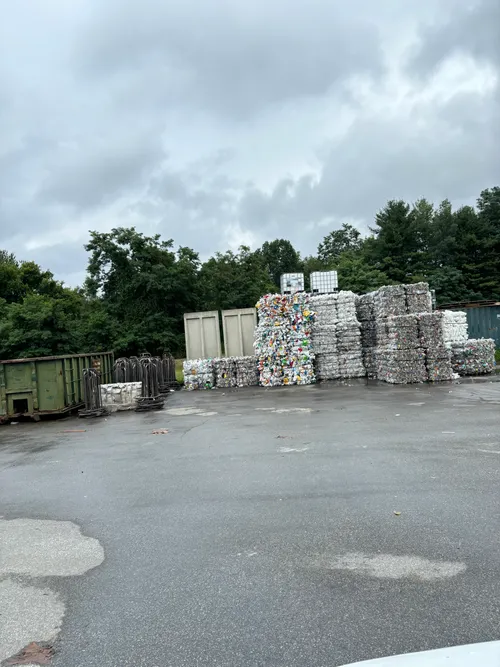
Recycle Boston is a waste management company based in Brookline, MA, specializing in food waste composting and recycling services for restaurants and other businesses. They focus on improving business recycling processes by offering solutions for various materials including compostable waste, recycled plastics, reused wood, and e-waste. Their approach emphasizes sustainability and resource conservation through innovative recycling technology and community initiatives. Recycle Boston supports local businesses by providing access to sustainability resources and promoting green certification as a business advantage. The company is known for offering same-day pickup services and efficient scheduling to accommodate customer needs.

Bootstrap Compost
17 Dalrymple St, Jamaica Plain, MA 02130
Bootstrap Compost provides food waste and composting services for restaurants in Newton, MA. The company focuses on collecting organic waste to support sustainable composting practices in the local community.
E.O.M.S. Recycling
318 Manley St, West Bridgewater, MA 02379
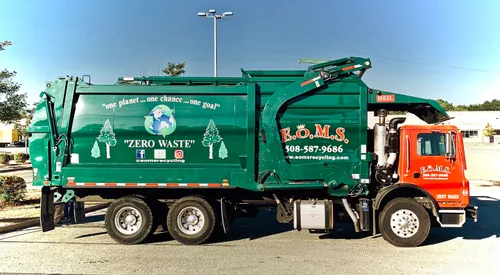
E.O.M.S. Recycling provides tailored recycling and solid waste solutions for restaurants and other businesses in Brockton, MA. They specialize in food waste and composting services, offering customized waste management plans based on detailed waste stream audits. The company supports effective recycling and waste reduction for a variety of clients including schools and municipalities, helping to manage waste streams efficiently.
Understanding the Massachusetts Organic Waste Ban
The cornerstone of food scrap management for Quincy restaurants is the state's disposal ban. This law is designed to reduce greenhouse gas emissions from landfills and create renewable energy and soil products. The key threshold for compliance is clear: if your establishment generates 1,000 pounds (one-half ton) or more of food waste per week, you are required to separate it for composting or other approved diversion methods like anaerobic digestion 1.
What qualifies as "organic waste"? The ban covers a broad range of materials typically found in restaurant kitchens and dining areas:
- All food scraps, including fruit and vegetable trimmings, meat, bones, dairy, and plate scrapings.
- Spoiled or expired food from inventory.
- Food-soiled paper products that are not coated in plastic, such as napkins, paper towels, and uncoated paper plates.
It's crucial for restaurant managers to conduct a waste audit. Resources like RecyclingWorks Massachusetts offer estimation guides and checklists to help you determine if you meet the weekly tonnage threshold and to identify the volume and types of waste your operation produces.
Choosing a Food Waste Collection Service
Since municipal trash collection in Quincy typically does not handle commercial-scale organic waste, restaurants must contract directly with private waste haulers. This step is critical for both compliance and operational efficiency.
Major Service Providers: Several national and regional waste management companies offer organic waste collection services in the Quincy area. These include Republic Services, Waste Management, and RoadRunner, among others 2. It's advisable to contact multiple providers to request quotes based on your estimated volume and desired pickup frequency (often 1-3 times per week for active food service businesses).
Container Specifications: Massachusetts has specific rules for the carts used to collect food waste. Carts must have a minimum capacity of 10 gallons, contain at least 30% recycled content, and come with a 5-year warranty. They must also be clearly labeled with instructions on what can and cannot be composted to minimize contamination at the source 3 4. Your chosen hauler will typically supply these compliant containers as part of your service agreement.
Implementing a Kitchen Composting Program
Setting up an effective system inside your restaurant is the key to seamless compliance and cost management. A well-run program minimizes contamination, simplifies staff routines, and can lead to significant savings by reducing your general trash volume.
Staff Training is Essential: The success of any organic diversion program hinges on your team. Comprehensive training for both front-of-house and back-of-house staff is non-negotiable. They need to know exactly what goes into the compost cart versus the trash or recycling bin. Clear, multilingual signage above collection stations can serve as a constant reminder.
Contamination Control: Keeping contaminants out of the compost stream is vital. Haulers may reject heavily contaminated loads, leading to extra fees and compliance issues.
- DO ACCEPT: All food scraps, food-soiled paper (napkins, uncoated cardboard), and compostable bags certified to meet ASTM D6400 standards.
- DO NOT ACCEPT: Plastic bags (even if labeled biodegradable), utensils, packaging, glass, metal, Styrofoam, or liquids. Liquids like oils and broths should be drained before scraping solids into the compost bin 5.
Logistics and Workflow: Designate specific, clearly marked bins in key areas: prep stations, dish pits, and potentially in customer-facing areas for busing. Using smaller, countertop collection pails lined with compostable bags can make it easy for staff to transfer scraps to the larger outdoor carts.
Find the perfect composting & food waste companies for your needs
Get personalized recommendations and expert advice
The Financial and Environmental Benefits
While there is a cost associated with adding a separate food waste collection service, the overall financial picture for restaurants often improves with effective waste diversion.
Cost Considerations and Potential Savings: Pricing from haulers varies based on volume, pickup frequency, and location. However, the most significant financial benefit comes from reducing your general trash disposal. By diverting heavy, wet organic material from your trash dumpster, you may be able to downsize your trash container or reduce pickup frequency, often resulting in net savings or cost-neutrality 6. Furthermore, Massachusetts considers this diversion a model for success, turning a regulatory mandate into economic and environmental momentum 7.
Beyond Composting: The Food Recovery Hierarchy: Before food becomes waste, explore higher-use options. The EPA's Food Recovery Hierarchy prioritizes source reduction and donation. Can you adjust purchasing or menu design to generate fewer scraps? Can unsold, edible food be donated to local food banks? Massachusetts provides resources like the Excess Food Opportunities Map to connect businesses with donation avenues 8 9. Donation not only helps the community but can also offer tax benefits.
Environmental Impact: Diverting organic waste from landfills prevents the production of methane, a potent greenhouse gas. Instead, the material is converted into nutrient-rich compost that improves soil health or is processed in anaerobic digesters to create renewable energy. For a coastal city like Quincy, responsible waste management contributes to broader sustainability goals and environmental stewardship.
Steps to Get Started in Quincy
- Estimate Your Waste: Use the tools from RecyclingWorks MA to assess if you generate 1,000+ lbs of food waste weekly.
- Research and Contact Haulers: Reach out to licensed food waste collectors serving Quincy for quotes on service, containers, and pickup schedules.
- Design Your Internal System: Plan bin placement, purchase small collection pails and certified compostable liners, and order educational signage.
- Train Your Team: Hold a mandatory training session for all employees and make waste sorting part of your onboarding process.
- Monitor and Adjust: Regularly check your compost carts for contamination and solicit feedback from staff to streamline the process.
Embracing organic waste recycling is a strategic move for Quincy restaurants. It ensures compliance with state law, demonstrates environmental leadership to customers, and can optimize your operational expenses. By viewing food scraps not as trash but as a resource, your business contributes to a more sustainable local economy and a healthier environment.
Frequently asked questions
Sources
Footnotes
-
MA Is Chomping Down on Food Waste | Recycle Smart - https://recyclesmartma.org/2025/09/ma-is-chomping-down-on-food-waste/ ↩
-
The 5 R's: Refuse, Reduce, Reuse, Repurpose, Recycle - https://www.roadrunnerwm.com/blog/the-5-rs-of-waste-recycling ↩
-
Food Waste Collection Carts - Mass.gov - https://www.mass.gov/doc/details-food-waste-collection-carts-0/download ↩
-
MassDEP tightens regulations on disposal of food waste from ... - https://business.burlingtonchamberofcommerce.org/news/details/massdep-tightens-regulations-on-disposal-of-food-waste-from-businesses ↩
-
How to dispose of or recycle Pizza box (empty, NO FOOD) - https://www.watertown-ma.gov/804/Trash-and-Recycling-Guide-FAQs#!rc-cpage=296078 ↩
-
What is Restaurant Composting? - Benefits & How It Works - https://www.webstaurantstore.com/article/60/restaurant-composting.html ↩
-
How Massachusetts Turned an Organic Waste Ban into a Model for ... - https://refed.org/articles/guest-blog-from-mandate-to-momentum-how-massachusetts-turned-an-organic-waste-ban-into-a-model-for-success/ ↩
-
Restaurants - RecyclingWorks Massachusetts - https://recyclingworksma.com/how-to/business-sector-guidance/restaurants/ ↩
-
Commercial Food Material Disposal Ban | Mass.gov - https://www.mass.gov/guides/commercial-food-material-disposal-ban ↩