Find the Best Composting & Food Waste Companies for Your Business
No obligation • Fast responses • Nationwide coverage

Why you can trust Restaurant Waste Disposal
Restaurant Waste Disposal is a leading U.S. resource for comparing restaurant composting, food-waste recycling, grease trap cleaning, and used cooking oil collection services. Our editorial team researches providers, checks credentials, and organizes unbiased information so operators can make informed decisions. Companies cannot pay to change ratings or placement.
Search providers near you
Top Composting & Food Waste Companies in Peabody, Massachusetts Ranked
For restaurants in Peabody, managing food scraps and organic waste is not just an environmental consideration-it's a regulatory requirement with significant operational implications. Massachusetts' commercial organics disposal ban mandates that food establishments generating one-half ton or more of food waste per week must divert this material from landfills. This creates a critical need for reliable organic recycling and composting services tailored to the unique pace and volume of a commercial kitchen. Navigating this mandate involves understanding local haulers, implementing effective separation systems, and recognizing the potential for cost savings through waste diversion. Successfully managing your establishment's food waste stream is a key component of sustainable and compliant restaurant operations in the North Shore.
Recycle Boston
516 E 2nd St, Boston, MA 02127
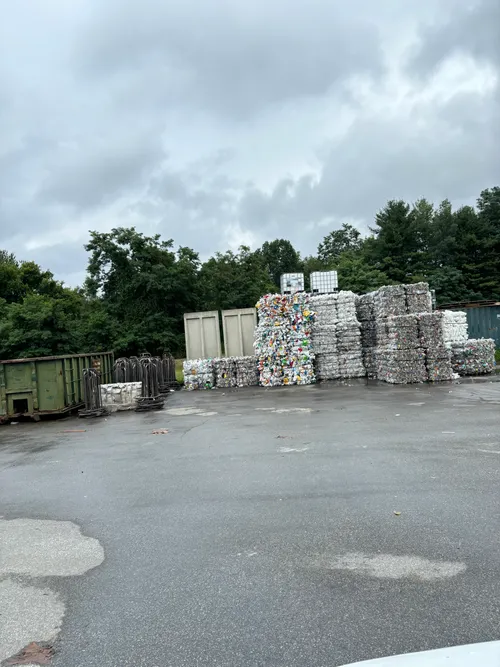
Recycle Boston is a waste management company based in Brookline, MA, specializing in food waste composting and recycling services for restaurants and other businesses. They focus on improving business recycling processes by offering solutions for various materials including compostable waste, recycled plastics, reused wood, and e-waste. Their approach emphasizes sustainability and resource conservation through innovative recycling technology and community initiatives. Recycle Boston supports local businesses by providing access to sustainability resources and promoting green certification as a business advantage. The company is known for offering same-day pickup services and efficient scheduling to accommodate customer needs.

Bootstrap Compost
17 Dalrymple St, Jamaica Plain, MA 02130
Bootstrap Compost provides food waste and composting services for restaurants in Newton, MA. The company focuses on collecting organic waste to support sustainable composting practices in the local community.
Understanding the Massachusetts Organics Disposal Ban
The cornerstone of food waste management for Peabody restaurants is the state's Commercial Food Material Disposal Ban, enforced by the Massachusetts Department of Environmental Protection (MassDEP). This regulation prohibits the disposal of commercial organic waste-including food scraps, soiled paper, and compostable items-in the trash if your business generates one-half ton (1,000 pounds) or more per week. The goal is to reduce greenhouse gas emissions from landfills and put valuable organic material to productive use through composting or anaerobic digestion.
Key Points for Compliance:
- Threshold: The 1,000-pound weekly limit applies to all food service businesses, including full-service restaurants, fast-casual eateries, cafeterias, and catering operations.
- Material Scope: The ban covers pre- and post-consumer food waste, such as kitchen prep scraps, spoiled inventory, and customer plate waste, as well as compostable paper products like napkins and certain food-soiled cardboard.
- Enforcement: While compliance is mandatory, the focus is on education and partnership. However, non-compliance can lead to warnings and potential penalties.
Determining if your restaurant meets the threshold is the essential first step. Tools and resources are available to help you estimate your weekly food waste output based on factors like meal count and type of service.
Service Options for Organic Waste Collection in Peabody
Once you've determined your need to comply, the next step is selecting a service provider. Peabody restaurants typically contract with private waste haulers who specialize in organic material collection. These companies offer customized programs to fit different kitchen sizes, waste volumes, and operational rhythms.
Types of Collection Programs:
- Dedicated Organics Pickup: A hauler provides specific containers (like 32-gallon wheeled bins or larger dumpsters) for food waste only, with a separate schedule from your trash and recycling.
- Co-Collection: Some providers may offer combined collection of organics and recycling in a single stream, though this is less common and depends on the processing facility's capabilities.
- Frequency: Service frequency is highly customizable, ranging from daily pickups for high-volume establishments to once or twice a week for smaller operations 1. The schedule is designed to manage odor and space constraints in your waste storage area.
Local providers, such as EOMS Recycling, offer tailored programs that include container delivery, regular pickups, and delivery of the collected organics to permitted composting or anaerobic digestion facilities. It's advisable to get quotes from several licensed haulers to compare service levels, container options, and costs.
Setting Up Your Kitchen for Success
Implementing an effective organics diversion program requires more than just signing a contract with a hauler. It involves internal process changes, staff training, and consistent management to prevent contamination-the single biggest challenge for commercial composting streams.
Best Practices for Kitchen Separation:
- Placement: Set up clearly labeled collection bins in key prep and dishwashing areas. Using color-coded or prominently signed bins helps staff differentiate between compost, recycling, and trash.
- Liners: Use only hauler-approved liners, which are typically certified compostable bags. Standard plastic bags are a major contaminant and can lead to entire loads being rejected at the processing facility 2.
- Accepted Materials: While specifics can vary by hauler, generally accepted items include:
- Fruit and vegetable scraps
- Meat, fish, and bones
- Dairy products
- Eggshells
- Coffee grounds and filters
- Tea bags (without staples)
- Soiled, non-recyclable paper like napkins, paper towels, and pizza boxes
- Common Contaminants: Rigorously keep out:
- Plastic bags, wrap, or utensils (unless certified compostable)
- Glass, metal, or Styrofoam
- Rubber bands, twist ties, or stickers
- Liquids, fats, and oils (these often require separate grease trap or used cooking oil services)
Find the perfect composting & food waste companies for your needs
Get personalized recommendations and expert advice
The Financial Perspective: Costs and Potential Savings
A common concern for restaurant owners is the cost of adding a new waste stream. However, organics diversion can be financially neutral or even lead to savings when viewed as part of your overall waste management strategy.
Cost Factors: The price for organic waste collection depends on several variables:
- Volume and Container Size: The amount of waste you generate and the size of the bin provided (e.g., 64-gallon cart vs. 2-yard dumpster).
- Pickup Frequency: How often the hauler needs to service your location.
- Hauler and Service Level: Rates vary between providers and based on included services like liner supply or training support.
Potential for Savings: Because food waste is often heavy and wet, it comprises a significant portion of your trash volume and weight. By diverting organics, you can often:
- Downsize your trash dumpster or reduce the frequency of trash pickups.
- Lower trash disposal costs, which are typically higher per ton than composting fees.
- Realize that in many cases, the cost for composting service is less than the cost you were paying to throw the same material away as trash, leading to a net reduction in total waste expenses 3 4.
Using estimation tools can help you model these potential savings before contacting service providers.
Beyond Compliance: Benefits of Food Waste Diversion
Embracing organics recycling offers advantages that extend beyond meeting state regulations. It aligns with growing consumer expectations for sustainable business practices and can improve your operational footprint.
Environmental and Community Benefits:
- Climate Action: Composting organic waste avoids methane production in landfills, a potent greenhouse gas.
- Soil Creation: The finished compost is used in agriculture and landscaping, returning nutrients to the soil and reducing the need for chemical fertilizers.
- Local Resilience: Supporting the organics recycling infrastructure contributes to a more circular economy in Massachusetts.
Operational and Brand Benefits:
- Waste Audits: The process of setting up separation often leads to a closer examination of overall waste, revealing opportunities to reduce over-ordering or improve inventory management.
- Staff Engagement: Sustainability programs can boost team morale and pride in the workplace.
- Marketing Story: You can share your commitment to composting with customers, enhancing your restaurant's reputation as a responsible community partner.
Resources and Next Steps for Peabody Restaurants
Getting started is a manageable process. Begin by estimating your food waste using the tools provided by RecyclingWorks Massachusetts, a state-funded program that offers free technical assistance and resources specifically for businesses 5.
Your Action Plan:
- Estimate: Gauge your weekly food waste generation to confirm if you are subject to the ban.
- Research: Identify and contact several licensed haulers that service Peabody (e.g., EOMS Recycling, Republic Services, Waste Management) to request quotes and service details.
- Plan: Design your internal collection system-order bins, decide on placement, and develop a staff training plan.
- Implement: Launch the program, monitor for contamination, and communicate regularly with your hauler to optimize service.
- Evaluate: Review your waste bills after a few months to assess the financial impact and adjust as needed.
For specific local guidance, you can also check with the Peabody Department of Public Services to see if there are any municipal incentives or additional requirements for commercial organic waste diversion.
Frequently asked questions
Sources
Footnotes
-
What is Restaurant Composting? - Benefits & How It Works - https://www.webstaurantstore.com/article/60/restaurant-composting.html ↩
-
Commercial Food Material Disposal Ban | Mass.gov - https://www.mass.gov/guides/commercial-food-material-disposal-ban ↩
-
Restaurants - https://recyclingworksma.com/how-to/business-sector-guidance/restaurants/ ↩
-
Food Waste Composting/Organic Recycling - https://eomsrecycling.com/food-waste-composting-organic-recycling/ ↩
-
What's New With the Commercial Food Disposal Ban in MA? - https://millerrecycling.com/what-is-new-with-the-commercial-food-disposal-ban-in-massachusetts/ ↩