
Find the Best Composting & Food Waste Companies for Your Business
No obligation • Fast responses • Nationwide coverage

Why you can trust Restaurant Waste Disposal
Restaurant Waste Disposal is a leading U.S. resource for comparing restaurant composting, food-waste recycling, grease trap cleaning, and used cooking oil collection services. Our editorial team researches providers, checks credentials, and organizes unbiased information so operators can make informed decisions. Companies cannot pay to change ratings or placement.
Search providers near you
Top Composting & Food Waste Companies in New Bedford, Massachusetts Ranked
For restaurant owners and food service operators in New Bedford, managing organic waste is more than an environmental choice-it's a regulatory requirement. Massachusetts' statewide Organic Waste Ban mandates that businesses generating over half a ton of food scraps per week must divert this material from landfills and incinerators. This means that for many restaurants, cafes, and catering operations, establishing a reliable food waste recycling program is essential for compliance. While the city of New Bedford does not offer a direct municipal composting service for businesses, a network of private haulers provides the necessary collection and processing services to help you meet this obligation and potentially reduce your overall waste management costs.
Successfully navigating organic waste diversion involves understanding the specific rules, selecting the right service partner, and implementing effective internal sorting procedures. This guide will walk you through the key components of commercial food scrap recycling, from the state mandate and acceptable materials to container options and provider selection, helping you build a sustainable and compliant waste management plan.
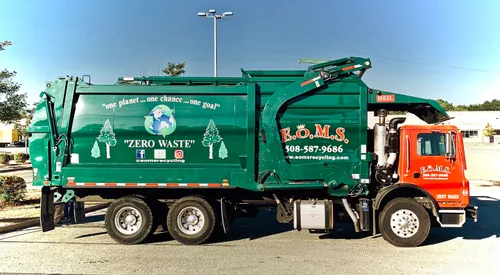
Understanding the Massachusetts Organic Waste Ban
The foundation of commercial food waste management in New Bedford is a state law, not a local ordinance. The Massachusetts Department of Environmental Protection (MassDEP) enforces the Commercial Food Material Disposal Ban, which applies to any entity, including restaurants, that generates more than 1,000 pounds (one-half ton) of food waste per week1. This regulation is designed to reduce greenhouse gas emissions from landfills and create valuable compost and renewable energy.
If your establishment meets or exceeds this threshold, you are legally required to divert your food scraps from the regular trash stream. This typically means arranging for a separate collection service that transports the organic material to an anaerobic digestion facility, a composting operation, or an animal feed operation. Non-compliance can result in warnings and penalties from the state. The first step for any food business is to conduct a waste audit to estimate your weekly output of food scraps, spoiled inventory, and preparation waste.
What Materials Can and Cannot Be Composted
Proper sorting is critical to a successful organics recycling program. Contamination with non-compostable items can lead to rejected loads and additional fees from your hauler.
Accepted Food Waste Includes:
- Food scraps from preparation (e.g., vegetable peels, eggshells, coffee grounds).
- Spoiled or expired food (remove from packaging).
- Plate scrapings and leftover customer food.
- Baked goods and dairy products.
- Meat, bones, and seafood (check with your specific hauler, as some facilities accept these).
Strictly Prohibited Items:
- Plastic Bags: Even bags labeled as "compostable" are often not accepted unless your hauler explicitly permits a specific certified brand 2.
- Liquids and Grease: Soups, oils, and other liquids must be drained. Grease trap waste is handled under a separate service contract.
- Non-Food Items: No traditional utensils, glass, metal, rubber bands, or twist-ties.
- Biodegradable or "Black Plastic": These materials do not break down in commercial composting systems and are considered contaminants3.
- Styrofoam, Sanitary Products, and Chemically Treated Paper.
Always confirm the specific list of acceptable materials with your chosen waste hauler, as requirements can vary slightly depending on the processing facility they use.
Service Options: Private Haulers in New Bedford
Since New Bedford does not provide a city-run commercial food waste collection program, businesses must contract with a private waste management company. You have several options, ranging from national providers to local services.
National & Regional Haulers: Large companies like Waste Management and Republic Services often offer organic waste collection as part of a suite of commercial services. They can provide consistency and may bundle pricing if you also use them for trash and recycling.
Local Haulers: Local providers, such as Capitol Waste, can offer personalized service and competitive rates. Working with a local hauler can sometimes provide more flexibility in scheduling and container options.
When requesting quotes, be prepared to provide an estimate of your weekly food waste volume (in gallons or pounds) and your preferred pickup schedule. Most providers will conduct a site assessment to recommend the best solution for your space and operational flow.
Containers, Collection, and Logistics
Implementing a food waste program requires physical space and logistical planning. Haulers typically supply specialized containers designed to contain odors and prevent pests.
- Container Types: The most common are 32-gallon or 64-gallon wheeled carts with locking, tight-sealing lids. For larger volume generators, 1- to 4-cubic-yard dumpsters may be provided. These are often colored green or brown to distinguish them from trash and recycling bins.
- Collection Frequency: Weekly pickup is standard, but businesses with high volumes or limited storage space may require more frequent service (e.g., twice per week). Your collection schedule will be a key factor in determining your monthly cost.
- Location: You'll need to designate an accessible outdoor location for the container, similar to your trash dumpster, for the hauler to service.
Find the perfect composting & food waste companies for your needs
Get personalized recommendations and expert advice
Cost Considerations and Getting Quotes
The cost for commercial food waste collection in New Bedford is not fixed and varies based on several factors. You should expect to pay a separate fee for this service, on top of your existing trash collection costs.
Factors Influencing Price:
- Volume and Weight: The size of your container and the weight of the material collected.
- Collection Frequency: Weekly vs. multiple times per week.
- Hauler and Transportation Distance: Costs to transport material to the nearest processing facility.
- Tip Fees: The fee the hauler pays at the composting or digestion facility.
While specific pricing is proprietary, estimates for a typical restaurant might range from $100 to $300 or more per month4. It's important to view this cost in context: diverting organic waste can reduce the volume and frequency of your regular trash service, potentially offsetting some of the new expense. Furthermore, compliance avoids potential state fines.
The only way to get an accurate price is to obtain quotes. Contact multiple providers (e.g., Capitol Waste, Waste Management, Republic Services) with your specific operational details for comparison5 6.
Steps to Start a Food Waste Recycling Program
- Conduct a Waste Audit: Track your food waste for a week to see if you meet the 1,000-pound threshold and to understand your volume. Even if you're below the mandate, voluntary diversion is beneficial.
- Research and Contact Haulers: Reach out to at least three service providers for detailed quotes and service proposals.
- Select a Provider and Schedule Service: Choose the hauler that best fits your operational needs and budget. They will deliver the appropriate containers.
- Train Your Staff Thoroughly: This is the most critical step for success. Hold training sessions to educate every team member on what goes in the food waste bin versus trash or recycling. Use clear signage with pictures in both English and Portuguese/Spanish, as applicable.
- Monitor and Adjust: Designate a sustainability lead to check bins for contamination, especially in the first few weeks. Provide feedback to staff and adjust your system as needed.
Implementing a robust organics diversion program demonstrates environmental leadership, ensures regulatory compliance, and contributes to the circular economy by turning waste into a resource.
Frequently asked questions
Sources
Footnotes
-
How Massachusetts Turned an Organic Waste Ban into a Model for ... - https://refed.org/articles/guest-blog-from-mandate-to-momentum-how-massachusetts-turned-an-organic-waste-ban-into-a-model-for-success/ ↩
-
These Items Are Unacceptable in Curbside Recycling - Falmouth, MA - https://www.falmouthma.gov/1193/Banned-Items-for-Curbside-Recycling ↩
-
How can I dispose of spoiled food safely? - Ask USDA - https://ask.usda.gov/s/article/How-can-I-dispose-of-spoiled-food-safely ↩
-
What are the fees at the landfill in New Bedford? - Facebook - https://www.facebook.com/groups/newbedfordma/posts/1521230591813601/ ↩
-
How to dispose of or recycle Pizza box (empty, NO FOOD) - https://www.watertown-ma.gov/804/Trash-and-Recycling-Guide-FAQs#!rc-cpage=296078 ↩
-
Waste-stream management plan for food facilities - https://www.crbgroup.com/insights/food-beverage/waste-stream-food-facility ↩