
Find the Best Composting & Food Waste Companies for Your Business
No obligation • Fast responses • Nationwide coverage

Why you can trust Restaurant Waste Disposal
Restaurant Waste Disposal is a leading U.S. resource for comparing restaurant composting, food-waste recycling, grease trap cleaning, and used cooking oil collection services. Our editorial team researches providers, checks credentials, and organizes unbiased information so operators can make informed decisions. Companies cannot pay to change ratings or placement.
Search providers near you
Top Composting & Food Waste Companies in Lowell, Massachusetts Ranked
For restaurants in Lowell, managing organic waste is no longer just an environmental consideration-it's a regulatory requirement and a strategic operational decision. Massachusetts' commercial food material disposal ban mandates that any food establishment generating half a ton or more of food scraps per week must divert that material from landfills. This regulation, which took full effect in November 2022, positions Lowell's dining scene at the forefront of sustainable food waste management. By implementing a robust organics recycling program, local eateries can achieve compliance, realize potential cost savings on trash disposal, and contribute to the city's broader sustainability goals. Navigating the options for collection, handling, and contamination prevention is key to a successful and efficient program.
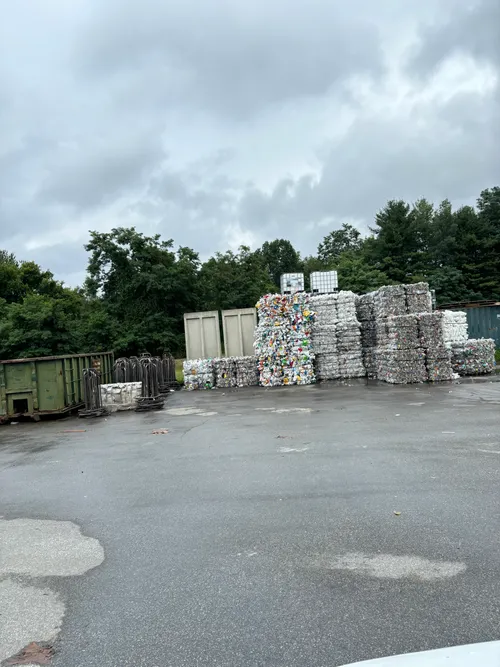
Recycle Boston
516 E 2nd St, Boston, MA 02127
Recycle Boston is a waste management company based in Brookline, MA, specializing in food waste composting and recycling services for restaurants and other businesses. They focus on improving business recycling processes by offering solutions for various materials including compostable waste, recycled plastics, reused wood, and e-waste. Their approach emphasizes sustainability and resource conservation through innovative recycling technology and community initiatives. Recycle Boston supports local businesses by providing access to sustainability resources and promoting green certification as a business advantage. The company is known for offering same-day pickup services and efficient scheduling to accommodate customer needs.

Bootstrap Compost
17 Dalrymple St, Jamaica Plain, MA 02130
Bootstrap Compost provides food waste and composting services for restaurants in Newton, MA. The company focuses on collecting organic waste to support sustainable composting practices in the local community.
Understanding the Massachusetts Organic Waste Ban
The cornerstone of food scrap diversion in Lowell is the state's Organic Waste Ban. This regulation specifically targets commercial entities, including restaurants, supermarkets, and institutions, that produce 0.5 tons (1,000 pounds) or more of food waste per week. The ban is designed to reduce methane emissions from landfills and create valuable compost and renewable energy from organic material.
For restaurant owners and managers, the first step is a waste audit. Tools and assistance from organizations like RecyclingWorks Massachusetts can help you estimate your weekly food scrap output to determine if you are subject to the mandate. Even if your establishment falls below the half-ton threshold, voluntarily starting an organics diversion program can yield benefits, including reduced trash volume and associated disposal fees, and a strengthened brand image as a sustainable business.
Local Collection Services for Food Scraps
Lowell restaurants have several private hauling options for organic material collection. These providers offer tailored services to fit different kitchen sizes and waste volumes.
- Bootstrap Compost: A service operating in the Greater Boston area, including Lowell, that provides weekly pickup of food scraps in dedicated containers.
- City Compost: Another private hauler offering curbside collection services for commercial food waste in the region.
- Terra Nova Composting: A provider that collects organic waste from businesses for composting at their facility.
The City of Lowell's Department of Public Works (DPW) also lists these private haulers as primary options for businesses seeking organics collection 1. Additionally, the city has shown active interest in expanding access; it has explored partnerships with providers like Black Earth Compost for potential curbside composting programs, indicating a supportive municipal environment for organic waste solutions 2 3.
While drop-off options like those sometimes coordinated by Lowell DPW or Mill City Grows are more common for residents, restaurants should contact private haulers directly to arrange commercial pickup services that match their operational schedule and volume needs.
Setting Up Your Kitchen for Success
Effective organics diversion starts with an efficient internal collection system. The goal is to make it as easy for staff to separate food scraps as it is to throw them away.
In Kitchen Prep Areas: Place small, clearly labeled bins with tight-fitting lids at every prep station, dishwashing area, and food line. These bins should be lined with approved compostable bags (if your hauler accepts them) or be easily washable. Emptying these small bins frequently into a larger centralized collection container helps control odors and pests.
For Customer-Facing Waste: Empowering customers to participate can significantly increase your diversion rate. Consider setting up a three-bin station with clear, simple signage for Landfill Trash, Recyclables (bottles/cans), and Compost (food scraps & napkins). This not only reduces contamination in your kitchen's organics stream but also educates the public about your sustainability efforts.
Container Logistics: Your chosen hauler will specify the type and size of exterior container they provide (e.g., wheeled carts, dumpsters). Coordination is essential to ensure the container is accessible for pickup and appropriately sized for your weekly volume to avoid overflows or unnecessary pickup frequency.
Find the perfect composting & food waste companies for your needs
Get personalized recommendations and expert advice
Critical Contamination Guidelines
Keeping contaminants out of your organics bin is crucial. Contaminated loads can be rejected by processors, resulting in disposal fees and undermining your sustainability efforts. Here's what to keep out:
- Plastics: All plastic bags, even those labeled as biodegradable or compostable (unless explicitly approved by your hauler), and black plastic are major contaminants 4.
- Non-Organic Materials: This includes glass, metal, rubber bands, twist ties, and "tanglers" like wires or hangers 5.
- Certain Papers: While some food-soiled paper (like uncoated napkins) may be accepted, heavily greased cardboard (like pizza boxes) often is not. Always check with your specific hauler for their guidelines on paper products 6.
What Typically Is Accepted:
- All food scraps (prep waste, spoiled food, plate scrapings)
- Coffee grounds and filters
- Tea bags (without staples)
- Approved compostable serviceware (verify with hauler)
- Milk and juice cartons (in some programs)
Clear, ongoing staff training is the most effective tool for preventing contamination. Regularly review what goes in each stream and make sure signage is visible in all relevant languages.
Analyzing Cost Implications
The cost for organic waste collection in Lowell is not one-size-fits-all; it varies by hauler and depends on your specific service needs, including pickup frequency and container volume. When requesting quotes from providers like Bootstrap Compost, City Compost, or Terra Nova Composting, be prepared to discuss your estimated weekly volume.
A key financial aspect for many restaurants is the potential for net savings. By diverting heavy, wet organic material from your trash dumpster, you can often reduce the size or pickup frequency of your solid waste service. Since trash disposal is typically more expensive per volume than organics recycling, this reduction can offset the new cost of compost collection, sometimes leading to lower overall waste management expenses 7. The state's guide on the commercial ban highlights that diverting organics can save businesses money on their purchasing and disposal costs 8.
Building a Sustainable Program
Launching a successful food waste diversion initiative requires more than just signing a contract with a hauler. It's an operational change that needs buy-in at all levels.
- Conduct a Waste Assessment: Use available tools to quantify your food waste. This data will inform your negotiations with haulers and help you track progress.
- Choose a Provider and Plan: Contact local haulers to compare service offerings, container options, and pricing. Select the plan that best fits your operational flow and budget.
- Invest in Training: Before the first pickup, train every staff member-from chefs to bussers-on the new sorting procedures. Use clear visuals and hands-on demonstrations.
- Monitor and Adapt: Place a staff member in charge of monitoring the bins, especially in the first few weeks, to correct sorting errors immediately. Be prepared to adjust the number or placement of interior bins as you learn what works best for your team.
- Communicate Your Efforts: Let your customers know about your commitment to composting. This can be done through table tents, menu notes, or social media, turning an operational practice into a point of community pride and connection.
By taking these steps, Lowell restaurants can not only comply with state regulations but also join a growing movement of businesses contributing to a circular economy, where food waste is transformed into nutrient-rich compost for local soils, closing the loop from farm to table and back again.
Frequently asked questions
Sources
Footnotes
-
Organic Material Collection Options | Lowell, MA - https://www.lowellma.gov/1400/Organic-Material-Collection-Options ↩
-
Composting | Lowell, MA - https://www.lowellma.gov/197/Composting ↩
-
News Flash • Bring Curbside Composting to Lowell! - https://www.lowellma.gov/CivicAlerts.aspx?aid=964 ↩
-
These Items Are Unacceptable in Curbside Recycling - Falmouth, MA - https://www.falmouthma.gov/1193/Banned-Items-for-Curbside-Recycling ↩
-
City of Lowell, MA Waste and Recycling - eCode360 - https://ecode360.com/12360661 ↩
-
Restaurants - RecyclingWorks Massachusetts - https://recyclingworksma.com/how-to/business-sector-guidance/restaurants/ ↩
-
Commercial Food Material Disposal Ban | Mass.gov - https://www.mass.gov/guides/commercial-food-material-disposal-ban ↩
-
TIPS FOR RESTAURANTS - RecyclingWorks Massachusetts - https://recyclingworksma.com/wp-content/uploads/2018/07/Restaurant-Tip-Sheet.pdf ↩