
Find the Best Composting & Food Waste Companies for Your Business
No obligation • Fast responses • Nationwide coverage

Why you can trust Restaurant Waste Disposal
Restaurant Waste Disposal is a leading U.S. resource for comparing restaurant composting, food-waste recycling, grease trap cleaning, and used cooking oil collection services. Our editorial team researches providers, checks credentials, and organizes unbiased information so operators can make informed decisions. Companies cannot pay to change ratings or placement.
Search providers near you
Top Composting & Food Waste Companies in Framingham, Massachusetts Ranked
For restaurants and residents in Framingham, managing organic waste is not just an environmental choice-it's a regulated part of operations and community life. The city supports both residential curbside organics recycling and enforces state mandates for commercial food waste diversion, creating a structured ecosystem for sustainability. Navigating these programs requires understanding the distinct rules, service providers, and best practices for keeping food scraps out of the landfill efficiently and compliantly.
Recycle Boston
516 E 2nd St, Boston, MA 02127
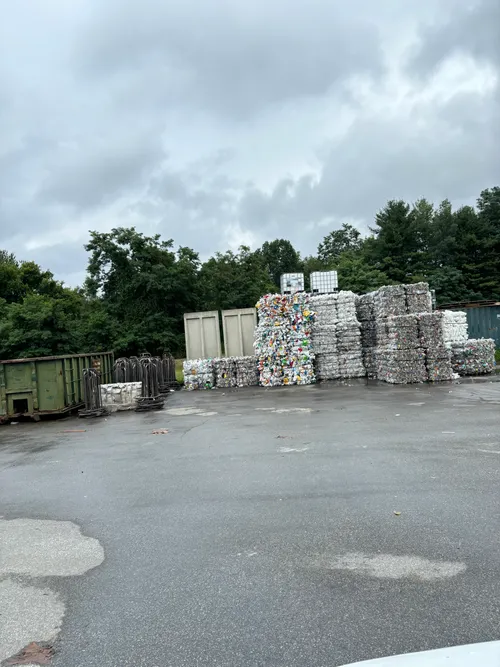
Recycle Boston is a waste management company based in Brookline, MA, specializing in food waste composting and recycling services for restaurants and other businesses. They focus on improving business recycling processes by offering solutions for various materials including compostable waste, recycled plastics, reused wood, and e-waste. Their approach emphasizes sustainability and resource conservation through innovative recycling technology and community initiatives. Recycle Boston supports local businesses by providing access to sustainability resources and promoting green certification as a business advantage. The company is known for offering same-day pickup services and efficient scheduling to accommodate customer needs.

Bootstrap Compost
17 Dalrymple St, Jamaica Plain, MA 02130
Bootstrap Compost provides food waste and composting services for restaurants in Newton, MA. The company focuses on collecting organic waste to support sustainable composting practices in the local community.
E.O.M.S. Recycling
318 Manley St, West Bridgewater, MA 02379
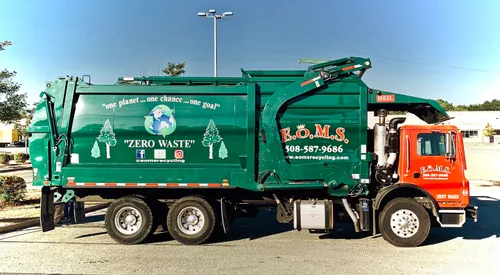
E.O.M.S. Recycling provides tailored recycling and solid waste solutions for restaurants and other businesses in Brockton, MA. They specialize in food waste and composting services, offering customized waste management plans based on detailed waste stream audits. The company supports effective recycling and waste reduction for a variety of clients including schools and municipalities, helping to manage waste streams efficiently.
Understanding Framingham's Organics Recycling Landscape
Framingham's approach to organic waste is twofold, driven by both local initiative and state law. For households, the city has partnered with a private provider to offer a convenient curbside subscription service. For the commercial sector, including restaurants, cafeterias, and food service establishments, Massachusetts Department of Environmental Protection (MassDEP) regulations take precedence. These rules mandate that businesses generating a certain volume of food waste must arrange for proper diversion through licensed private haulers. This creates a market for specialized organics collection services tailored to the needs and schedules of food service businesses.
For Restaurants: Navigating the Commercial Organics Ban
The cornerstone of commercial food scrap recycling in Framingham is the MassDEP Commercial Food Material Disposal Ban. This regulation is critical for restaurant owners and managers to understand, as non-compliance can result in fines.
Who is Required to Comply?
The ban applies to any business, including restaurants, that generates one-half ton (1,000 pounds) or more of organic material per week 1. This threshold means many full-service restaurants, large catering operations, and institutional cafeterias in Framingham are legally obligated to separate their food waste from the general trash stream. Even if your establishment produces slightly less, participating voluntarily can reduce trash disposal costs and enhance your sustainability profile.
Key Steps for Restaurant Compliance
- Assess Your Waste Volume: The first step is to estimate your weekly food scrap output. Resources like RecyclingWorks MA offer free technical assistance to help businesses with this assessment.
- Contract with a Licensed Hauler: Restaurants must independently contract with a licensed waste hauler that provides commercial organics collection. National providers like Republic Services and Waste Management, as well as regional services, operate in the area. The City of Framingham's website and RecyclingWorks MA maintain resources to help find approved haulers.
- Use the Right Containers: Haulers typically supply specific containers, such as 64- or 96-gallon carts with locking lids, to store food scraps. Using the correct bin is essential for pickup.
- Adhere to Strict Contamination Rules: This is paramount for successful commercial composting. Plastic bags are generally prohibited unless they are certified compostable. Food scraps must be separated from non-compostable packaging, liquids, and trash. Proper staff training on what can and cannot go into the organics bin is crucial to avoid contamination and potential service issues 2.
Costs and Logistics for Businesses
Commercial organics collection is a tailored service, so costs vary significantly based on your restaurant's waste volume, pickup frequency (often 2-3 times per week), and the hauler's rates. Anecdotal estimates suggest costs can range from a few hundred dollars per month for a typical restaurant. Importantly, because tipping fees for compost are often lower than for trash, many businesses find that adding organics collection can reduce their overall waste management expenses by lowering the volume and cost of their trash service 3.
Find the perfect composting & food waste companies for your needs
Get personalized recommendations and expert advice
For Residents: Framingham's Curbside Composting Program
For Framingham households, recycling food waste is easier than ever thanks to the city's curbside composting program.
Program Provider and Enrollment
The city has partnered with Black Earth Compost (BEC) to manage residential curbside collection. Residents can enroll directly through the BEC website. The program is available to households, including those in multi-unit buildings of up to four units.
How It Works
- Containers: Upon signing up, residents receive a starter kit including a small countertop bin and a larger curbside bin. Larger capacity bins are available for an additional fee.
- Pickup Schedule: Collections occur weekly on your regular trash day. A bi-weekly pickup option is also available at a reduced rate.
- Accepted Materials: The program accepts a wide range of materials, including all food scraps (meat, dairy, bones, and produce), soiled paper products like paper towels and napkins, and pizza boxes (with minimal grease) 4.
- Cost: Subscription costs are approximately $12 to $15 per month for weekly service, with promotional discounts sometimes available for community-wide participation 5 6.
Best Practices for Successful Organics Diversion
Whether you're running a busy kitchen or managing a household, following best practices ensures a smooth and effective composting experience.
- Prevent Odors and Pests: For restaurants, use secure, lidded carts and arrange for frequent pickups. For residents, empty your countertop bin into the curbside cart regularly. Both can use a layer of approved compostable bag or newspaper to absorb moisture.
- Train Your Team: In a restaurant, clear signage and ongoing staff training are the best defenses against contamination. Make sure every team member knows what goes in the compost, recycling, and trash bins.
- Start with the Basics: If you're new to composting, begin with straightforward items like fruit and vegetable peels, coffee grounds, and eggshells. As you get more comfortable, you can expand to include items like meat, bones, and greasy paper products, following your specific program's guidelines.
- Leverage Free Resources: Restaurant owners should not hesitate to contact RecyclingWorks MA for free, confidential assistance with waste assessments, hauler selection, and program setup.
The Impact of Diverting Food Waste
Diverting organic material from the trash has profound benefits. It reduces methane emissions from landfills, a potent greenhouse gas. The compost created is a valuable soil amendment used in local agriculture and landscaping, closing the nutrient loop. For restaurants, it demonstrates a commitment to corporate responsibility that resonates with customers and the community. For the City of Framingham, these collective efforts are essential to meeting municipal and state waste reduction goals.
Frequently asked questions
Sources
Footnotes
-
Commercial Food Material Disposal Ban | Mass.gov - https://www.mass.gov/guides/commercial-food-material-disposal-ban ↩
-
Framingham Curbside Composting Program - https://www.framinghamma.gov/4042 ↩
-
Restaurants - https://recyclingworksma.com/how-to/business-sector-guidance/restaurants/ ↩
-
Framingham - Curbside Collection | Black Earth Compost - https://blackearthcompost.com/composting-in/framingham/ ↩
-
Composting Information | City of Framingham, MA Official ... - https://www.framinghamma.gov/2675/Composting-Information ↩
-
Notify Me • City of Framingham Launches Curbside Compost Pil - https://www.framinghamma.gov/List.aspx?MID=2763 ↩