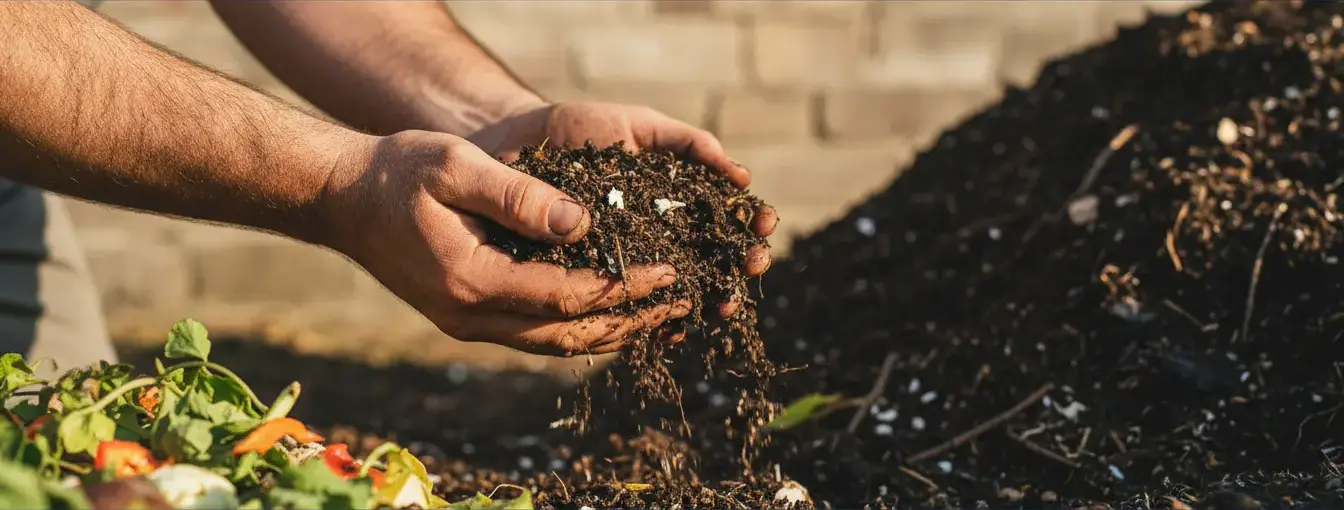
Find the Best Composting & Food Waste Companies for Your Business
No obligation • Fast responses • Nationwide coverage

Why you can trust Restaurant Waste Disposal
Restaurant Waste Disposal is a leading U.S. resource for comparing restaurant composting, food-waste recycling, grease trap cleaning, and used cooking oil collection services. Our editorial team researches providers, checks credentials, and organizes unbiased information so operators can make informed decisions. Companies cannot pay to change ratings or placement.
Search providers near you
Top Composting & Food Waste Companies in Cambridge, Massachusetts Ranked
Managing food scraps and organic waste is a key part of Cambridge's sustainability strategy, offering both environmental benefits and potential cost savings. For residents, the city provides convenient curbside pickup and drop-off options to divert food waste from landfills. For restaurants and food service businesses, Massachusetts' Commercial Organics Waste Ban creates specific requirements, but Cambridge supports compliance through educational resources and innovative pilot programs. This guide outlines the pathways for both residents and commercial entities to effectively participate in organic recycling.
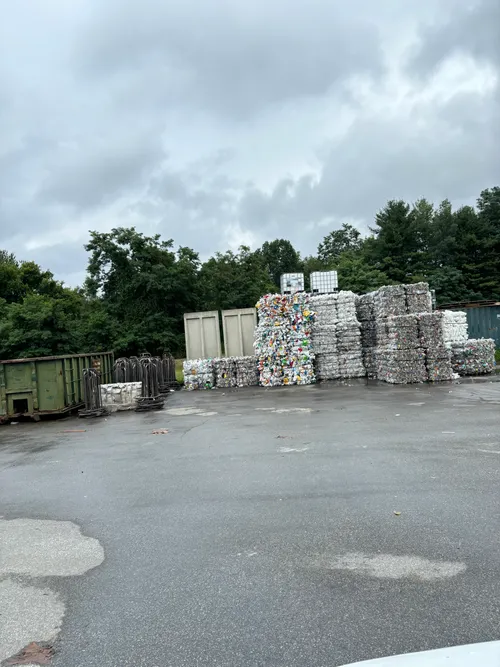
Recycle Boston
516 E 2nd St, Boston, MA 02127
Recycle Boston is a waste management company based in Brookline, MA, specializing in food waste composting and recycling services for restaurants and other businesses. They focus on improving business recycling processes by offering solutions for various materials including compostable waste, recycled plastics, reused wood, and e-waste. Their approach emphasizes sustainability and resource conservation through innovative recycling technology and community initiatives. Recycle Boston supports local businesses by providing access to sustainability resources and promoting green certification as a business advantage. The company is known for offering same-day pickup services and efficient scheduling to accommodate customer needs.

Bootstrap Compost
17 Dalrymple St, Jamaica Plain, MA 02130
Bootstrap Compost provides food waste and composting services for restaurants in Newton, MA. The company focuses on collecting organic waste to support sustainable composting practices in the local community.
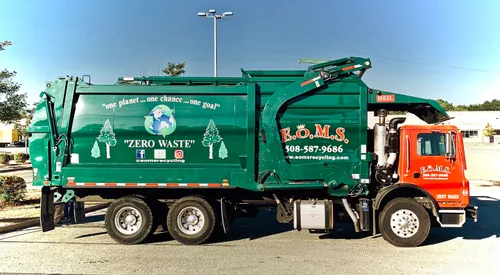
E.O.M.S. Recycling
318 Manley St, West Bridgewater, MA 02379
E.O.M.S. Recycling provides tailored recycling and solid waste solutions for restaurants and other businesses in Brockton, MA. They specialize in food waste and composting services, offering customized waste management plans based on detailed waste stream audits. The company supports effective recycling and waste reduction for a variety of clients including schools and municipalities, helping to manage waste streams efficiently.
For Cambridge Residents: Curbside & Drop-Off Programs
Cambridge makes it straightforward for residents to compost food scraps. The municipal curbside composting program is available to all residents living in buildings with six units or fewer, including single-family homes, two-families, and small apartment complexes.
How to Get Started:
- Request a Kit: Residents can receive a free starter kit from the Department of Public Works (DPW), which includes a small kitchen pail for collecting scraps and a larger, wheeled cart for curbside collection 1.
- Use Approved Bags: While lining your kitchen pail is optional, only certified compostable bags are acceptable. Plastic bags, even those labeled "biodegradable," are considered contamination and can disrupt the composting process.
- Know What to Toss: The program accepts all food scraps, including meat, bones, dairy, fruit, vegetables, and coffee grounds. It also accepts food-soiled paper products like napkins, paper towels, and uncoated paper plates 2.
Collection and Drop-Off: Curbside collection occurs on your regular trash day. For those in larger apartment buildings or without curbside service, the city maintains several free drop-off locations, including the DPW Yard on Hampshire Street and the North Cambridge Community Center3. These sites provide a vital alternative for multi-family dwellings to participate in food waste diversion.
For Cambridge Restaurants & Food Businesses: Navigating the Organics Ban
The landscape for commercial food waste management is governed by state law. Massachusetts' Commercial Organics Waste Ban prohibits businesses and institutions that generate one ton or more of organic material per week from sending it to landfills or incinerators. For context, a typical restaurant generates about 1,000 lbs (or 0.5 tons) of food waste weekly, placing many squarely under the mandate.
Key Compliance Pathways:
- Private Hauling Services: Most restaurants subject to the ban contract with licensed private waste haulers who specialize in organic recycling. These services provide dedicated containers (carts or dumpsters) for food scraps and arrange for regular pickup. A significant benefit is the potential for "right-sizing" trash service; by diverting heavy, wet organics, businesses can often reduce their trash container size or pickup frequency, leading to notable cost savings on their overall waste bill.
- City of Cambridge Small Business Pilot Program: To assist smaller restaurants and food establishments, the City of Cambridge DPW has expanded a free pilot program. Eligible small businesses can receive up to two compost carts and twice-weekly collection at no cost4. This program is designed to lower the barrier to entry, help businesses comply with state regulations, and demonstrate the operational and financial benefits of separating organics.
Commercial Program Guidelines:
- Contamination is Critical: The rules are strict. Only food scraps and approved paper may go in the compost cart. Plastic, glass, metal, and liquids are major contaminants. Training all staff thoroughly is essential to avoid rejected loads or potential fines.
- Container Logistics: Haulers or the city pilot provide sealable carts. Using certified compostable liner bags inside these carts can help keep them clean and reduce odors5.
- Destination: Collected commercial food waste is typically processed at an anaerobic digestion facility, where it is converted into renewable energy (biogas) and compost, contributing to the state's clean energy goals.
Benefits of Diverting Food Waste in Cambridge
Participating in organics recycling extends beyond regulatory compliance. Diverting food scraps from the trash reduces methane emissions from landfills, a potent greenhouse gas. The processed material creates nutrient-rich compost for local agriculture or clean energy to power homes6. For businesses, the economic incentive is clear: food waste is often the heaviest component of trash, and separating it can directly lower disposal costs by reducing the volume and weight of residual trash needing collection7 8.
Find the perfect composting & food waste companies for your needs
Get personalized recommendations and expert advice
Steps to Implement a Food Waste Program
Whether you're a resident or a business owner, taking the first step is simple.
For Residents:
- Visit the Cambridge DPW website or call to request your free composting starter kit.
- Place your kitchen pail in a convenient spot and begin collecting acceptable scraps.
- Roll your larger cart to the curb on collection day, ensuring no prohibited items are inside9.
For Restaurant Managers/Business Owners:
- Conduct a Waste Audit: Assess your weekly food scrap volume to determine if you meet the 1-ton state threshold or could benefit from diversion regardless.
- Explore Your Options: Contact the Cambridge DPW at recycle@cambridgema.gov to inquire about eligibility for the free small business compost pilot program. Alternatively, research and solicit quotes from licensed private haulers who offer organic recycling services.
- Train Your Team: Develop a simple system and educate every staff member on what goes into the compost bin versus the trash or recycling. Clear signage and ongoing communication are key to preventing contamination10.
- Monitor and Adjust: Track your trash and compost volumes. Work with your hauler or the city to optimize pickup schedules and container sizes, maximizing both your environmental impact and cost savings.
Common Challenges and Solutions
Starting a new waste stream can come with hurdles. A frequent issue is contamination from non-compostable materials, especially plastic bags and packaging. The solution is consistent education and using only certified compostable bags for liners. Another concern is odor and pest management. Using sealed, durable carts provided by the city or haulers, and ensuring frequent pickup (especially for businesses), effectively mitigates this. For businesses worried about space constraints, the standardized carts are designed to fit in typical service alleys, and separating organics can often allow for a smaller trash dumpster, freeing up space.
The Future of Organics in Cambridge
Cambridge continues to innovate in waste reduction. The success of the small business pilot program indicates a potential for expanded municipal support. The city's focus on turning food waste into clean energy highlights a commitment to a circular economy, where waste becomes a resource. By participating in these programs, residents and businesses directly contribute to Cambridge's climate action goals and help build a more sustainable community.
Frequently asked questions
Sources
Footnotes
-
617.349.4815 TTY 617.499.9924 - the City of Cambridge - https://www.cambridgema.gov/-/media/Files/publicworksdepartment/recyclingandrubbish/Composting/publicitymaterials.pdf ↩
-
YOUR GUIDE TO TRASH, RECYCLE, COMPOST, AND MORE! - https://www.cambridgema.gov/-/media/Files/publicworksdepartment/recyclingandrubbish/wastemailertranslation/wastemailer2022.pdf ↩
-
Compost Drop-Off - City of Cambridge, MA - https://www.cambridgema.gov/services/curbsidecomposting/compostdropoff ↩
-
Cambridge Expanding Free Small Business Compost Pilot Program - https://www.cambridgema.gov/Departments/publicworks/news/2022/08/smallbusinesscompostprogramexpansion ↩
-
City of Cambridge Food Waste Management Fact Sheet ... - https://www.cambridgema.gov/-/media/Files/publicworksdepartment/recyclingandrubbish/Composting/cambridgefoodwastemanagementfactsheet4821.pdf ↩
-
Turn Food Waste Into Clean Energy - CambridgeMA.GOV - https://www.cambridgema.gov/digital/Stories/2025/thecambridgelifespring2025/curbsidecomposting ↩
-
Restaurants - https://recyclingworksma.com/how-to/business-sector-guidance/restaurants/ ↩
-
Food Waste Composting/Organic Recycling - https://eomsrecycling.com/food-waste-composting-organic-recycling/ ↩
-
Curbside Composting - City of Cambridge, MA - https://www.cambridgema.gov/services/curbsidecomposting ↩
-
CAMBRIDGE COMPOSTING - https://www.cambridgema.gov/Departments/publicworks/permitsanddocuments/Documents/compostbookletenglish ↩