Find the Best Composting & Food Waste Companies for Your Business
No obligation • Fast responses • Nationwide coverage

Why you can trust Restaurant Waste Disposal
Restaurant Waste Disposal is a leading U.S. resource for comparing restaurant composting, food-waste recycling, grease trap cleaning, and used cooking oil collection services. Our editorial team researches providers, checks credentials, and organizes unbiased information so operators can make informed decisions. Companies cannot pay to change ratings or placement.
Search providers near you
Top Composting & Food Waste Companies in Boston, Massachusetts Ranked
For Boston restaurants and food service businesses, managing organic waste is not just an environmental choice-it's a regulatory requirement. Massachusetts has been a national leader in diverting food scraps from landfills, and Boston's vibrant culinary scene plays a crucial role in this sustainability effort. Navigating the rules for commercial food waste recycling, selecting the right service provider, and implementing an effective program can lead to significant cost savings, operational efficiencies, and a stronger brand reputation. This guide outlines the essential steps for compliance and successful organic waste management in the city.
Recycle Boston
516 E 2nd St, Boston, MA 02127
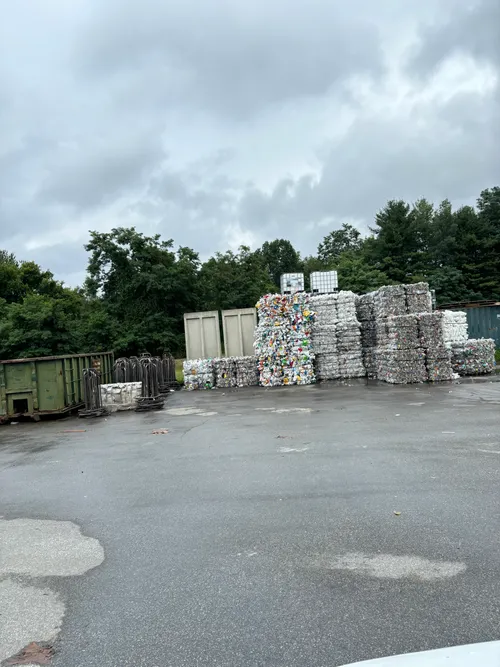
Recycle Boston is a waste management company based in Brookline, MA, specializing in food waste composting and recycling services for restaurants and other businesses. They focus on improving business recycling processes by offering solutions for various materials including compostable waste, recycled plastics, reused wood, and e-waste. Their approach emphasizes sustainability and resource conservation through innovative recycling technology and community initiatives. Recycle Boston supports local businesses by providing access to sustainability resources and promoting green certification as a business advantage. The company is known for offering same-day pickup services and efficient scheduling to accommodate customer needs.

Bootstrap Compost
17 Dalrymple St, Jamaica Plain, MA 02130
Bootstrap Compost provides food waste and composting services for restaurants in Newton, MA. The company focuses on collecting organic waste to support sustainable composting practices in the local community.
E.O.M.S. Recycling
318 Manley St, West Bridgewater, MA 02379
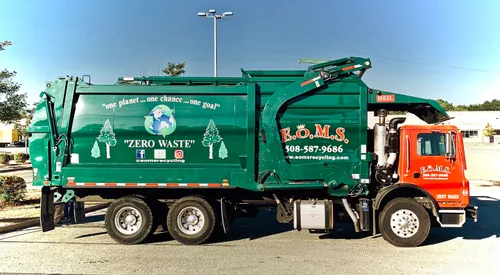
E.O.M.S. Recycling provides tailored recycling and solid waste solutions for restaurants and other businesses in Brockton, MA. They specialize in food waste and composting services, offering customized waste management plans based on detailed waste stream audits. The company supports effective recycling and waste reduction for a variety of clients including schools and municipalities, helping to manage waste streams efficiently.
Understanding the Massachusetts Commercial Organics Ban
The cornerstone of food scrap diversion in Boston is the Massachusetts Department of Environmental Protection (MassDEP) Commercial Food Material Disposal Ban. This regulation mandates that any business, including restaurants, supermarkets, and institutions, that generates one ton or more of organic waste per week must divert this material from landfills and incinerators. It's important to note that the threshold is often cited as 1,000 pounds (or 0.5 tons) weekly, making it applicable to many medium and large-scale food service operations 1. The banned materials include all food scraps, food-soiled paper (like napkins and pizza boxes), and certified compostable products. Compliance means arranging for this material to be sent to composting facilities, anaerobic digesters, or for animal feed operations.
Setting Up Your Commercial Composting Service
Since the City of Boston's municipal programs are designed for residents and small residential buildings, commercial establishments must contract with private haulers for organic waste collection.
Choosing a Hauler and Container System Several reputable local providers service Boston, including Bootstrap Compost, Black Earth Compost, CERO Cooperative, and Recycleworks. When contacting providers, you'll discuss your specific needs. Haulers typically supply the collection containers, which can range from small 5-gallon buckets for kitchen prep areas to large 64-gallon totes or even dumpsters for back-of-house collection. A key requirement is the use of proper liners: only certified compostable bags (look for BPI, CMA, or OK Compost labels) or simple brown paper bags are acceptable. Plastic bags, even those labeled "biodegradable," are considered contaminants and can lead to rejected loads 2.
Coordinating Pickup Schedules Your pickup frequency will be part of your service contract. Many restaurants coordinate organic waste pickups with their existing trash and recycling schedules to streamline operations. Haulers often recommend or require pickups during off-peak hours to minimize disruption to your business and neighborhood traffic 3. Effective scheduling ensures bins are never overflowing, which helps maintain cleanliness and pest control.
Best Practices to Prevent Contamination
Contamination is the single biggest challenge in food scrap recycling. A load contaminated with plastic, glass, or other non-compostables can be rejected by the processing facility, resulting in disposal fees and wasted effort.
What Goes In (and What Stays Out) The "yes" list includes all food scraps (pre-consumer peels and post-consumer plate scrapings), coffee grounds with filters, tea bags, food-soiled paper napkins and cardboard, and certified compostable serviceware. The strict "no" list includes plastic bags of any kind, Styrofoam, rubber gloves, plastic wrappers, and any non-certified "compostable" products 4. It's critical to source serviceware like plates and utensils that carry legitimate third-party certifications to ensure they break down correctly in an industrial composting system.
Staff Training is Essential A successful program hinges on consistent staff participation. Clear, multilingual signage above collection bins is a must. Consider holding short training sessions to explain the "why" and the "how," emphasizing the cost and environmental benefits. Designating a sustainability champion among your staff can help maintain standards and troubleshoot issues as they arise.
Find the perfect composting & food waste companies for your needs
Get personalized recommendations and expert advice
Analyzing Costs and Potential Savings
Implementing a commercial food waste diversion program involves a new line item for service fees. Costs are influenced by the volume of material, pickup frequency, and your chosen hauler 5. However, this investment often leads to net savings. By diverting heavy, wet organic material from your trash stream, you can significantly reduce the volume of standard waste you produce. This frequently allows you to downsize your trash dumpster or reduce the frequency of trash pickups, leading to direct savings on your solid waste bill 6 7. Many businesses find that the reduction in trash costs offsets a substantial portion, if not all, of their composting service fees.
Boston's Residential Programs: Context for Smaller Operations
While this guide focuses on commercial requirements, it's useful to understand the local landscape. For Boston residents and small residential buildings (6 units or fewer), the city offers a curbside food waste collection program 8 9. Additionally, the "Project Oscar" community drop-off program provides locked green bins at locations across the city for resident use 10. These programs are generally not designed for commercial food service waste, but understanding them is helpful for businesses operating in mixed-use buildings or for employee education.
Taking the Next Steps
- Conduct a Waste Audit: Estimate your weekly generation of organic material. This can be as simple as tracking the number of full prep buckets or bags over a week.
- Research and Contact Providers: Reach out to several local haulers like Bootstrap Compost or Black Earth Compost to discuss your needs and request quotes 11. Ask about container options, liner requirements, and contamination policies.
- Review Service Contracts Carefully: Understand all terms, including insurance requirements, fees for contaminated loads, and procedures for changing your service level 12.
- Plan Your Rollout: Order bins and liners, create signage, and schedule staff training before the first pickup. Start with a pilot in one area of the kitchen before expanding.
By proactively managing food scraps, Boston restaurants not only comply with state law but also contribute to a circular economy, reducing greenhouse gas emissions from landfills and creating nutrient-rich compost for local soils.
Frequently asked questions
Sources
Footnotes
-
MassDEP tightens regulations on disposal of food waste from ... - https://business.burlingtonchamberofcommerce.org/news/details/massdep-tightens-regulations-on-disposal-of-food-waste-from-businesses ↩
-
FAQ | City of Boston Curbside Food Waste Collection - https://www.bostoncomposts.com/faq/ ↩
-
Boston Commercial Waste Disposal: Essential Guide For ... - https://www.myshyft.com/blog/commercial-waste-disposal-services-boston-massachusetts/ ↩
-
CURBSIDE FOOD - WASTE COLLECTION - Boston.gov - https://www.boston.gov/sites/default/files/file/2022/06/2173-09-compost%20guide-5%2C5%20x%208%2C5-%20PRINT.pdf ↩
-
Boston Commercial Composting: Environmental Compliance Guide ... - https://www.myshyft.com/blog/commercial-composting-pickup-service-contracts-boston-massachusetts/ ↩
-
Commercial Food Material Disposal Ban - Mass.gov - https://www.mass.gov/guides/commercial-food-material-disposal-ban ↩
-
TIPS FOR RESTAURANTS - RecyclingWorks Massachusetts - https://recyclingworksma.com/wp-content/uploads/2018/07/Restaurant-Tip-Sheet.pdf ↩
-
Curbside Food Waste Collection - Boston.gov - https://www.boston.gov/departments/public-works/curbside-food-waste-collection ↩
-
Dig into City Composting with the Boston Nature Center - https://www.massaudubon.org/news/latest/dig-into-city-composting-with-the-boston-nature-center ↩
-
Project Oscar | Boston.gov - https://www.boston.gov/departments/public-works/project-oscar ↩
-
Trash And Recycling In Large Residential Buildings - Boston.gov - https://www.boston.gov/departments/public-works/large-residential-buildings ↩
-
Commercial Food Waste Collection & Recycling Services in Boston - https://recycleworksinc.com/food-businesses/ ↩