Find the Best Composting & Food Waste Companies for Your Business
No obligation • Fast responses • Nationwide coverage

Why you can trust Restaurant Waste Disposal
Restaurant Waste Disposal is a leading U.S. resource for comparing restaurant composting, food-waste recycling, grease trap cleaning, and used cooking oil collection services. Our editorial team researches providers, checks credentials, and organizes unbiased information so operators can make informed decisions. Companies cannot pay to change ratings or placement.
Search providers near you
Top Composting & Food Waste Companies in Wheaton, Illinois Ranked
For Wheaton restaurants and food service businesses, managing organic waste responsibly is a key component of sustainable operations. The city offers a structured organics recycling program that allows commercial entities to divert food scraps from landfills by combining them with yard waste for composting. This initiative, operated through the municipal hauler Lakeshore Recycling Systems (LRS), provides a pathway for local eateries to reduce their environmental footprint. Understanding the specific rules for containers, pickup schedules, and contamination is essential for seamless participation and maximizing the benefits of organic waste diversion.
WasteNot Compost
Chicago, IL
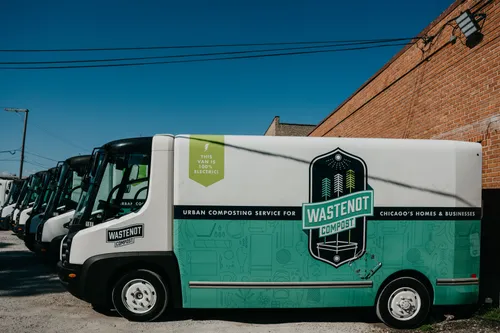
WasteNot Compost provides food waste and composting services for homes, businesses, and events in Chicago, IL. Their service uses 100% electric vehicles to collect compostable waste, offering scheduled pickups with clean, sanitized receptacles. Members can also access a shop for compostable and sustainable products with zero emissions delivery. WasteNot Compost has been serving the community since at least 2015, focusing on reducing landfill waste and greenhouse gas emissions through convenient composting solutions.
Block Bins
Aurora, IL
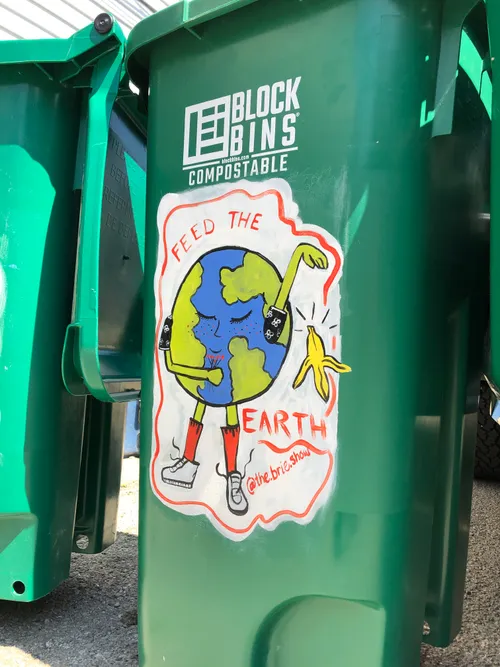
Block Bins provides food waste composting and recycling services for restaurants, homes, schools, and events in Aurora, IL. They offer locked shared bins to reduce contamination and clutter, with regular pickups and power washing to maintain cleanliness. Subscribers pay for a set volume of compost space, making it a flexible and community-friendly option. Block Bins has been serving customers for over five years and supports sustainable waste diversion through dedicated-stream recycling bins.
Collective Resource Compost Cooperative
Evanston, IL
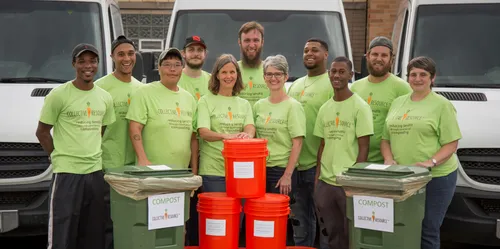
Collective Resource Compost Cooperative provides food waste composting services for restaurants and households in Evanston, IL. They offer customized container-swap programs with flexible options ranging from small 5-gallon buckets to large 32-gallon totes, supporting communal composting in multi-unit buildings and neighborhoods. The cooperative emphasizes easy composting with expert guidance and manages various waste streams, including food scraps and certified compostable products. They have exclusive franchise agreements in several municipalities and serve a broad area within Chicagoland. With over a decade of experience, Collective Resource promotes sustainable waste reduction and soil regeneration through community-focused composting programs.
Understanding Wheaton's Organics Recycling Program
Wheaton's food scrap and organics collection is a seasonal program integrated with yard waste services. From early April through mid-December, businesses and residents can place acceptable organic materials at the curb for pickup by LRS1 2. This program transforms potential landfill waste into valuable compost, closing the nutrient loop. For restaurants, which generate a consistent volume of food waste, engaging with this system can significantly reduce the amount of general trash produced, potentially lowering disposal costs and supporting municipal sustainability goals.
The program is designed to be straightforward: you use the same collection day as your regular garbage and recycling, but only for the defined seasonal window. All materials must be placed at the curb by 6:00 AM on your scheduled day3. It's crucial for business managers to note the seasonal end date in mid-December to avoid placing organics out during the winter hiatus when collections are suspended.
Commercial Eligibility and Service Setup
While the City of Wheaton's published guidelines often focus on residential participation, commercial establishments, including restaurants, cafes, and caterers, are generally eligible to use the same organics recycling system. However, the scale and frequency of waste generation for a food service business typically necessitate a customized service plan.
Key Steps for Restaurants:
- Contact LRS Directly: The first and most important step is to reach out to Lakeshore Recycling Systems to discuss your specific needs. They can confirm commercial eligibility, outline service levels, and provide dedicated commercial composting options if available 4.
- Assess Your Volume: Restaurant food waste includes prep scraps, spoiled inventory, plate waste, and coffee grounds. Estimating your weekly volume will help LRS recommend an appropriate container size and collection frequency.
- Formalize Service Agreement: Unlike the sticker-based residential model, commercial service likely involves a monthly fee or a per-pickup charge based on cart size and volume. Securing a formal quote from LRS is essential for budgeting.
Approved Containers and Sticker Requirements
Proper containerization is mandatory for Wheaton's organics collection. The rules are designed to ensure clean, efficient processing at the composting facility.
Container Specifications:
- Size: Use containers of 35 gallons or smaller. Many businesses find 32-gallon carts with lids to be a practical size for kitchen use.
- Bags: If using bags, they must be certified biodegradable paper bags. Plastic bags, even those labeled as biodegradable, are typically not allowed as they can contaminate the compost stream.
- Stickers: Each container or bag set out for collection must have a current City of Wheaton yard waste/organics sticker affixed to it. These stickers are the method of payment for the service under the standard model.
For a high-volume restaurant, using multiple 35-gallon cans or investing in a larger, wheeled cart provided by LRS as part of a commercial contract may be more efficient than managing numerous individual stickers. Clarify this during your service setup with LRS.
What Can and Cannot Be Composted
Strict contamination guidelines are in place to protect the quality of the finished compost. Mixing in non-compostable materials can result in entire loads being rejected and sent to landfill, undermining your sustainability efforts.
Acceptable Food Scraps & Organics:
- Fruit and vegetable scraps (raw or cooked)
- Meat, fish, bones, and dairy products
- Bread, pasta, grains, and eggshells
- Coffee grounds and paper filters
- Tea bags (without staples)
- Food-soiled paper products like napkins, paper towels, and uncoated paper plates 5
Common Contaminants to Exclude:
- Plastic bags of any kind
- Styrofoam or plastic packaging
- Glass, metal, or aluminum foil
- Liquids, oils, or grease
- Pet waste or diapers
- Traditional plastic utensils, straws, or "compostable" plastics unless explicitly certified and approved by the program6
Find the perfect composting & food waste companies for your needs
Get personalized recommendations and expert advice
Cost Structure for Businesses
Pricing for residential service is based on the purchase of stickers for each container7. For restaurants, the cost structure is different due to higher and more consistent waste volume.
- Commercial Pricing Model: Expect a tailored monthly fee or a charge per pickup. This often includes the rental of a dedicated cart (e.g., 64-gallon or 96-gallon wheeled cart).
- Factors Influencing Cost: Your final quote will depend on the size of the container provided, the frequency of collection (e.g., weekly vs. multiple times per week), and your location.
- Potential for Savings: While there is a cost for composting service, diverting heavy, wet food waste from your general trash can reduce the volume and weight of your garbage, potentially lowering those disposal costs. A formal cost-benefit analysis with LRS can provide clarity8.
Operational Best Practices for Restaurants
Implementing a successful organics diversion program requires more than just signing up for service. It involves training and system integration.
- Kitchen Setup: Place clearly labeled, lined (with approved paper bags) containers in key prep and dishwashing areas. Use graphics or multilingual signs to indicate what goes in.
- Staff Training: Conduct training sessions for all kitchen and front-of-house staff. Emphasize the importance of avoiding contamination. Make it part of the onboarding process for new hires9.
- Storage and Placement: Ensure your outdoor storage area for the organics cart is accessible for staff but also for LRS drivers on pickup day. Carts should be placed at the designated pickup point by 6:00 AM.
- Monitor and Adjust: Regularly check the contents of your organics cart for contamination. Provide feedback to staff and adjust training as needed.
Benefits Beyond Compliance
Participating in Wheaton's food waste recycling program offers advantages that extend beyond mere regulatory or waste management concerns.
- Environmental Leadership: Demonstrating a commitment to sustainability resonates with a growing segment of environmentally conscious customers and can enhance your restaurant's brand.
- Waste Reduction Goals: It provides a measurable way to achieve corporate sustainability or waste diversion targets.
- Community Alignment: You are supporting a local municipal program aimed at reducing landfill use and creating a useful product (compost) for local agriculture and landscaping.
Getting Started and Key Contacts
To initiate commercial organics recycling service in Wheaton, follow these steps:
- Primary Contact: Reach out to Lakeshore Recycling Systems (LRS), Wheaton's designated waste hauler. Visit their Wheaton municipality page at
lrsrecycles.com/municipality/city-of-wheaton/or call their commercial services line to discuss your restaurant's needs. - Informational Resource: Review the general guidelines provided on the City of Wheaton's official website under "Yard Waste, Leaves, Food Scraps & Organics" to understand the foundational rules of the program.
- Plan Implementation: Once service is confirmed, order any necessary supplies (approved containers, paper bags), develop your internal training plan, and schedule your first pickup.
Frequently asked questions
Sources
Footnotes
-
Business, Construction & Residential Waste Services | City of Wheaton - https://www.lrsrecycles.com/municipality/city-of-wheaton/ ↩
-
FAQs • How does the food scrap/organics program work? - https://www.wheaton.il.us/FAQ.aspx?QID=209 ↩
-
ordinance no. f-1974 - Wheaton, IL - https://www.wheaton.il.us/Archive.aspx?ADID=3929 ↩
-
Food Waste Collection, Recycling & Management Services - https://www.businesswaste.co.uk/your-waste/food-waste/ ↩
-
YOUR 2025 COLLECTION SCHEDULE - GFL Environmental - https://gflenv.com/wp-content/uploads/2022/03/2025-Bloomington.pdf ↩
-
A Summary of Regulatory Requirements for Composting ... - https://epa.illinois.gov/content/dam/soi/en/web/epa/documents/waste-management/composting/regulatoryrequirementsforcompostingfacilities.pdf ↩
-
Yard Waste, Leaves, Food Scraps & Organic Materials | Wheaton, IL - https://www.wheaton.il.us/383/Yard-Waste-Leaves-Food-Scraps-Organics ↩
-
Garbage & Recycling - Wheaton, IL - https://www.wheaton.il.us/364/Garbage-Recycling ↩
-
How to Implement Recycling and Composting in Your Restaurant - https://www.bluecart.com/blog/restaurant-recycling-and-composting ↩