Find the Best Composting & Food Waste Companies for Your Business
No obligation • Fast responses • Nationwide coverage

Why you can trust Restaurant Waste Disposal
Restaurant Waste Disposal is a leading U.S. resource for comparing restaurant composting, food-waste recycling, grease trap cleaning, and used cooking oil collection services. Our editorial team researches providers, checks credentials, and organizes unbiased information so operators can make informed decisions. Companies cannot pay to change ratings or placement.
Search providers near you
Best Composting & Food Waste Companies in Illinois Ranked
Managing food scraps and organic waste is a growing priority for restaurants across Illinois. While the state does not yet have a universal landfill ban for commercial food waste, significant momentum is driven by city-level initiatives, voluntary programs, and a strong focus on the waste hierarchy-prioritizing reduction, reuse, and recycling. For restaurant operators, navigating organics diversion involves understanding local requirements, evaluating collection services, and implementing effective source separation practices to potentially reduce overall waste disposal costs.
Illinois's approach is multifaceted, with the Illinois Environmental Protection Agency (IEPA) promoting voluntary participation through coalitions like the Food Scrap Coalition, while major metropolitan areas implement more direct measures. The City of Chicago, in particular, has become a driving force, setting expectations for large waste generators to audit and divert their organic streams. This creates an environment where proactive food waste management is not only an environmental best practice but can also be a strategic financial decision for food service businesses.
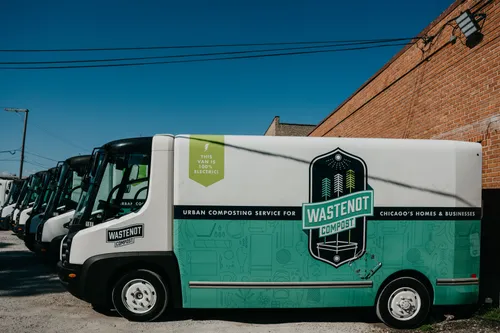
WasteNot Compost
Chicago, IL
WasteNot Compost provides food waste and composting services for homes, businesses, and events in Chicago, IL. Their service uses 100% electric vehicles to collect compostable waste, offering scheduled pickups with clean, sanitized receptacles. Members can also access a shop for compostable and sustainable products with zero emissions delivery. WasteNot Compost has been serving the community since at least 2015, focusing on reducing landfill waste and greenhouse gas emissions through convenient composting solutions.
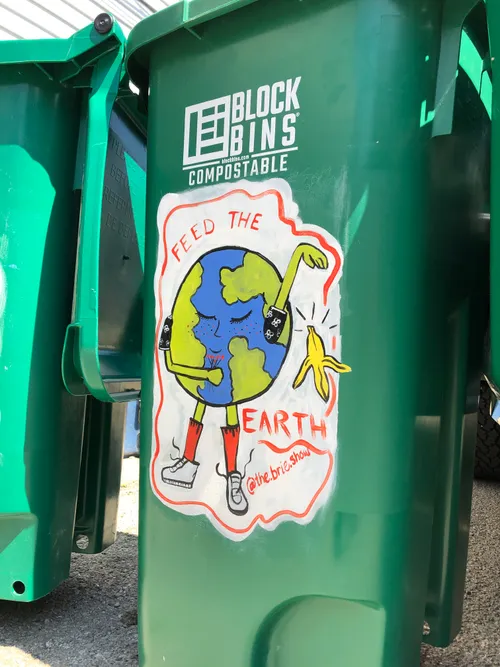
Block Bins
Aurora, IL
Block Bins provides food waste composting and recycling services for restaurants, homes, schools, and events in Aurora, IL. They offer locked shared bins to reduce contamination and clutter, with regular pickups and power washing to maintain cleanliness. Subscribers pay for a set volume of compost space, making it a flexible and community-friendly option. Block Bins has been serving customers for over five years and supports sustainable waste diversion through dedicated-stream recycling bins.
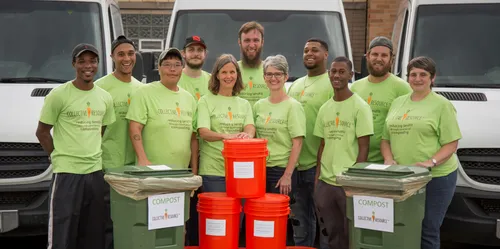
Collective Resource Compost Cooperative
Evanston, IL
Collective Resource Compost Cooperative provides food waste composting services for restaurants and households in Evanston, IL. They offer customized container-swap programs with flexible options ranging from small 5-gallon buckets to large 32-gallon totes, supporting communal composting in multi-unit buildings and neighborhoods. The cooperative emphasizes easy composting with expert guidance and manages various waste streams, including food scraps and certified compostable products. They have exclusive franchise agreements in several municipalities and serve a broad area within Chicagoland. With over a decade of experience, Collective Resource promotes sustainable waste reduction and soil regeneration through community-focused composting programs.

St Louis Composting, Inc.
5841 Mine Haul Rd, Belleville, IL 62226
St Louis Composting, Inc. is based in Belleville, IL, and provides composting and food waste recycling services primarily for restaurants and packaged food manufacturers. They operate nine locations in the St. Louis metro area, offering bulk delivery and retail pickup of compost, soil, mulch, and custom soils. The company works with national grocery retailers and food and beverage manufacturers to divert food waste from landfills through depackaging and organic recycling services. Their compost products are STA certified and OMRI-listed, supporting sustainable waste management and soil health.
Understanding Illinois's Regulatory Landscape
A common question from restaurant owners is whether they are legally required to compost. Statewide, Illinois does not mandate that all commercial food waste be diverted from landfills, a policy that differs from states like California or Vermont. However, this does not mean inaction is the best course. The regulatory focus is on encouragement and local empowerment.
The Illinois EPA supports diversion through resources and partnerships, emphasizing the environmental and economic benefits of keeping organics out of landfills. The voluntary Food Scrap Coalition is one example, helping businesses connect with haulers and composters. The overarching principle guiding state and local policy is the waste hierarchy, which ranks management strategies from most to least preferred: source reduction, reuse, recycling/composting, energy recovery, and finally, landfill disposal. This framework encourages restaurants to first minimize waste generation before managing the unavoidable scraps.
Local Ordinances: The Chicago Model
The most significant rules affecting Illinois restaurants come from the municipal level, especially in Chicago. Through its Chicago Composts initiative, the city actively pushes large generators-including restaurants with over 100 employees or those producing more than 2,000 pounds of waste per week-to take action 1. Key components for affected businesses include:
- Mandatory Waste Audits: Identifying the types and volumes of waste produced.
- Diversion Plans: Developing a formal strategy to reduce landfill-bound waste, which prominently features organics recycling.
- Tracking and Reporting: Monitoring progress on waste reduction goals.
While these rules strongly encourage the use of hauling services for composting or anaerobic digestion, they are part of a broader push for significant diversion, not just compliance with a ban 2. Restaurants in Chicago and its suburbs should contact the Department of Streets and Sanitation for the most current, specific requirements applicable to their operation.
Practical Options for Restaurant Food Waste
For Illinois restaurants ready to tackle food waste, several practical pathways exist. The right choice depends on the volume of scraps, kitchen space, budget, and local service availability.
Hauling Services for Organics
This is the most common and turnkey solution for restaurants. Partnering with a waste hauler that offers organics collection allows staff to separate food scraps into designated bins, which are then picked up on a scheduled basis.
- How It Works: Prep waste, spoiled inventory, and post-consumer plate scrapings (where permitted) are placed in specific containers, often with compostable liner bags. Haulers transport this material to industrial composting facilities or anaerobic digesters.
- Key Rules: Successful participation requires proper source separation. This means keeping contaminants like plastic, glass, and liquids out of the organics stream. Grease and used cooking oil typically follow a separate, dedicated collection stream.
- Service Providers: National companies like Waste Management and Republic Services offer organics collection in many Illinois markets, alongside specialized local composters and waste service providers.
On-Site Processing Solutions
For some establishments, processing waste on-premises is a viable alternative. This can reduce hauling frequency and create a usable end-product, like compost for gardens.
- Types of Systems: Options include in-vessel composters, dehydrators or pulpers that reduce volume, and small-scale anaerobic digesters. These systems handle food scraps directly in the building or on the property.
- Considerations: On-site solutions require an upfront capital investment, dedicated space, and staff training for operation and maintenance. They are often more suited to larger venues, corporate campuses, or businesses with significant green space.
The Critical Role of Source Separation
Regardless of the chosen collection method, success hinges on an effective source separation program within the restaurant. This involves:
- Placing clearly labeled bins in key areas (prep kitchen, dish pit, server stations).
- Training all staff-from chefs to bussers-on what goes into the compost bin versus trash or recycling.
- Using the correct collection containers and liners specified by the hauler to avoid contamination fees or service refusal.
Find the perfect composting & food waste companies for your needs
Get personalized recommendations and expert advice
Analyzing the Costs of Participation
A major consideration for any restaurant is the financial impact. The cost structure for food waste diversion is not one-size-fits-all but can often lead to overall savings when viewed holistically.
Costs vary significantly based on:
- Volume of Organics: The amount of food scraps generated weekly.
- Collection Frequency: Daily, weekly, or bi-weekly pickups.
- Location: Service rates in Chicago and dense suburbs may differ from those in rural areas.
- Service Provider: Fees differ between national haulers and local operators.
A typical model involves a separate monthly fee for organics collection. This fee might be slightly higher per pickup than standard trash service due to the specialized handling. However, the key financial benefit is an offset through reduced trash disposal costs. By diverting heavy, wet food waste from the garbage stream, a restaurant can often downsize its trash dumpster or reduce pickup frequency, leading to lower landfill tipping fees 3.
Example Scenario: A mid-size Chicago-area restaurant might pay an additional $50 to $150+ per month for dedicated organics pickup. If this allows them to reduce their trash service from a 6-yard dumpster picked up daily to a 4-yard dumpster picked up every other day, the savings on trash hauling could offset or even exceed the new organics cost. Smaller cafes might start with a low-volume bin collected weekly for a minimal fee.
Key Actions for Illinois Restaurants
Taking the first step toward formal food waste management is straightforward.
- Conduct a Brief Waste Audit: Spend a week tracking what and how much you throw away. This identifies the potential volume of compostables.
- Contact Your Current Hauler: Inquire if they offer organics collection services and ask for a quote. They can often provide bins and training materials.
- Research Local Composters: Search for specialized organic waste haulers or composting facilities in your region. They may offer competitive rates and services tailored to restaurants.
- Check Local Regulations: If you are in Chicago or a larger suburb, contact your city's sanitation or public works department to understand any specific mandates or incentives for businesses 4 5.
- Start Small: Consider beginning with a pilot program in just the kitchen prep area before rolling it out front-of-house.
Rules and service availability are continually evolving. Building a relationship with a knowledgeable hauler and staying informed on local municipal policies are the best ways to ensure a compliant and cost-effective organics diversion program.
Frequently asked questions
Sources
Footnotes
-
Chicago Launches First Citywide Composting Program - https://blockclubchicago.org/2023/10/17/chicago-launches-first-citywide-composting-program/ ↩
-
Chicago and plastic waste - Pollution and Waste Mangement - https://tjsff.ca/chicago-and-plastic-waste/ ↩
-
Food Waste Regulations Update: Diversion and Education | Rubicon - https://www.rubicon.com/blog/food-waste-regulations-update-diversion-education/ ↩
-
Republic Act No. 9003 - https://pepp.emb.gov.ph/wp-content/uploads/2016/06/RA-9003-Ecological-Solid-Waste-Management-Act-of-2000.pdf ↩
-
What is the Waste Hierarchy? The 5 R's | Shred-it UK - https://www.shredit.co.uk/en-gb/resource-centre/fact-sheets/what-is-the-waste-hierarchy ↩