Find the Best Composting & Food Waste Companies for Your Business
No obligation • Fast responses • Nationwide coverage

Why you can trust Restaurant Waste Disposal
Restaurant Waste Disposal is a leading U.S. resource for comparing restaurant composting, food-waste recycling, grease trap cleaning, and used cooking oil collection services. Our editorial team researches providers, checks credentials, and organizes unbiased information so operators can make informed decisions. Companies cannot pay to change ratings or placement.
Search providers near you
Top Composting & Food Waste Companies in Belleville, Illinois Ranked
For restaurants in Belleville, managing organic waste is a critical operational and environmental consideration. While the city provides robust residential trash and yard waste services, commercial food scrap diversion typically requires partnering with a private waste hauler. Establishing an effective organics recycling program involves understanding container options, pickup schedules, strict contamination guidelines, and associated costs to find a solution that aligns with your business's volume and sustainability goals.
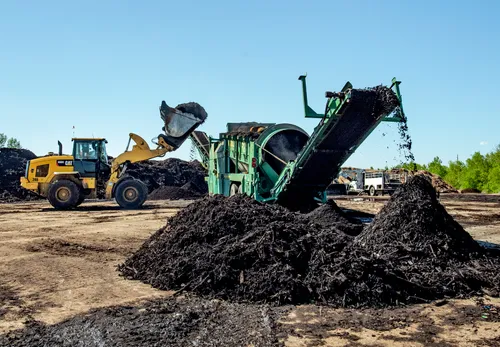
St. Louis Composting, Inc.
13060 County Park Rd, Florissant, MO 63034
St. Louis Composting, Inc. is based in Florissant, MO, and provides food waste and composting services primarily for restaurants and packaged food manufacturers. They operate nine locations in the St. Louis metro area, offering bulk delivery and retail pickup of compost, soil, mulch, and custom soils. The company specializes in depackaging food waste and organics to divert waste from landfills and convert it into certified compost products. Their services support national grocery retailers and food and beverage manufacturers in meeting waste diversion goals.
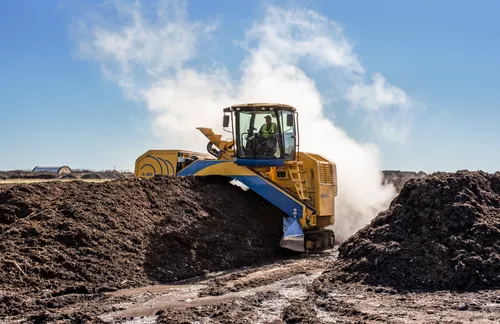
St Louis Composting, Inc.
5841 Mine Haul Rd, Belleville, IL 62226
St Louis Composting, Inc. is based in Belleville, IL, and provides composting and food waste recycling services primarily for restaurants and packaged food manufacturers. They operate nine locations in the St. Louis metro area, offering bulk delivery and retail pickup of compost, soil, mulch, and custom soils. The company works with national grocery retailers and food and beverage manufacturers to divert food waste from landfills through depackaging and organic recycling services. Their compost products are STA certified and OMRI-listed, supporting sustainable waste management and soil health.
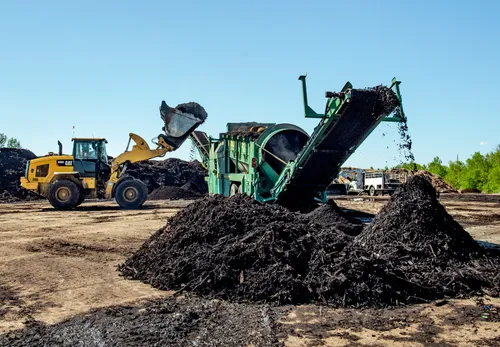
St Louis Composting, Inc.
11294 Schaefer Dr, Maryland Heights, MO 63043
St Louis Composting, Inc. is based in St Charles, MO, offering food waste and composting services primarily for restaurants and packaged food manufacturers. They operate nine locations in the St. Louis metro area, providing bulk delivery and retail pickup of compost, soil, mulch, and custom soils. The company specializes in depackaging food waste and organics to divert waste from landfills and convert it into certified compost products. Their compost is STA certified and OMRI-listed, supporting sustainable waste management and environmental goals.
Navigating Commercial Organics Recycling in Belleville
The first step for any restaurant is understanding the local service landscape. Belleville's municipal sanitation services are designed for residents, meaning businesses must seek out private providers for specialized food waste collection 1. This pushes restaurant owners into a commercial market where services are customizable but require direct contracts.
Key Service Providers and How to Choose
Major national haulers like Republic Services and Waste Management operate in the area, alongside potential local providers from the broader St. Louis region. When evaluating providers, it's essential to request detailed information on their specific organics recycling programs, not just general waste collection. Key questions should cover accepted materials, contamination policies, and the destination of the collected compostable waste-whether it goes to a commercial composting facility or an anaerobic digester.
Actionable Steps for Restaurants:
- Contact Multiple Haulers: Obtain quotes from at least two or three providers to compare service levels and pricing.
- Clarify Program Details: Confirm their specific list of accepted and prohibited items for the compost stream.
- Request References: Ask for examples of other local restaurants or commercial kitchens they currently serve.
Setting Up Your Kitchen for Success
Once a hauler is selected, the focus shifts to internal operations. A successful program depends on proper containerization and staff training to minimize contamination, which is a primary concern for composting facilities.
Container Options and Placement
Private haulers typically offer containers ranging from small, lidded carts to larger 3-yard dumpsters for food waste collection. These containers must be in good repair, have secure lids to prevent pests and odors, and be placed in an accessible location for pickup, often curbside or in a designated service alley. For indoor kitchen collection, using certified compostable bags within smaller bins can help contain messes and simplify transfer to the outdoor container.
The Critical Role of Contamination Control
Contamination-non-compostable materials entering the organics stream-can render an entire load unusable. Haulers and processors have strict guidelines, and adhering to them is crucial for the program's long-term viability and cost-effectiveness.
Generally Accepted Items:
- Fruit and vegetable scraps
- Coffee grounds and filters
- Eggshells and nut shells
- Bread, grains, and pasta
- Paper napkins, towels, and uncoated cardboard
- Certified compostable serviceware and packaging
Commonly Prohibited Items:
- Plastics: Bags, utensils, wrappers, and containers (even if labeled "biodegradable")
- Glass, metal, and Styrofoam
- Liquids: Oils, sauces, and broths should be drained
- Meat, bones, and dairy products (policies vary by hauler; some may accept them)
- Traditional plastic-lined paper products
Find the perfect composting & food waste companies for your needs
Get personalized recommendations and expert advice
Understanding Costs and Operational Impact
Investment in a food waste program goes beyond the monthly hauler fee. Restaurants should consider the full operational picture, including potential savings from reduced trash volume and the intangible value of a strong sustainability story.
Pricing Structures and Variables
Costs for commercial food waste collection are not standardized and depend heavily on several factors 2. The primary variables include the size of the container (e.g., a 64-gallon cart vs. a 3-yard dumpster) and the frequency of pickup (e.g., daily, twice weekly, weekly). Monthly fees can start in the range of $100-$200 for a basic, low-volume service but will increase significantly for larger containers and more frequent pickups 2. It's vital to get a detailed, written quote that outlines all potential fees.
Beyond the Bill: Waste Audits and Reduction
Before signing a contract, conducting a simple waste audit can help size your service correctly. Track how much food waste your kitchen produces over a week. This data not only informs your container choice but can also highlight opportunities for source reduction, such as improving inventory management or adjusting portion sizes, which can lower both food costs and waste disposal fees.
The Broader Benefits for Belleville Restaurants
Implementing an organics recycling program aligns with growing consumer interest in environmentally responsible businesses. It demonstrates a commitment to the local community and environment by diverting waste from landfills, where food scraps generate methane, a potent greenhouse gas. Furthermore, the resulting compost can be used to enrich soil, closing the loop in a local nutrient cycle.
Staying informed about state-level initiatives is also wise. Illinois continues to develop its materials management strategy, and being proactive with a private composting solution positions a restaurant well for any future local regulations or incentives related to organic waste diversion 3.
Frequently asked questions
Sources
Footnotes
-
Sanitation - https://www.belleville.net/358/Public-Works-Sanitation ↩
-
City of Belleville Sanitation Department - https://www.belleville.net/DocumentCenter/View/12290/Sanitation-Resident-Packet-2024_05_08 ↩ ↩2
-
Compostable Waste Collections - https://epa.illinois.gov/topics/waste-management/materials-management/composting/compostable-waste-collections.html ↩