Find the Best Composting & Food Waste Companies for Your Business
No obligation • Fast responses • Nationwide coverage

Why you can trust Restaurant Waste Disposal
Restaurant Waste Disposal is a leading U.S. resource for comparing restaurant composting, food-waste recycling, grease trap cleaning, and used cooking oil collection services. Our editorial team researches providers, checks credentials, and organizes unbiased information so operators can make informed decisions. Companies cannot pay to change ratings or placement.
Search providers near you
Top Composting & Food Waste Companies in Chicago, Illinois Ranked
For Chicago restaurants and food service businesses, managing organic waste is no longer just a line-item expense-it's a strategic opportunity. The city's evolving sustainability landscape, combined with Illinois state policy, is creating a robust framework for commercial food scrap recycling and composting. By diverting food waste from landfills, businesses can reduce disposal costs, meet growing consumer demand for eco-conscious practices, and contribute to Chicago's broader environmental goals. While the city offers foundational resources like residential drop-off sites, the core of commercial organics diversion is handled by a network of private haulers and specialized processors who provide tailored collection services for everything from pre-consumer kitchen scraps to post-consumer plate waste.
Implementing a successful program requires understanding the local service providers, accepted materials, and operational best practices to avoid contamination. This guide outlines the key pathways for Chicago businesses to transform food waste into a resource.
WasteNot Compost
Chicago, IL
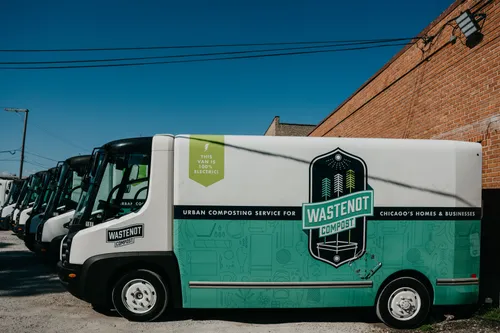
WasteNot Compost provides food waste and composting services for homes, businesses, and events in Chicago, IL. Their service uses 100% electric vehicles to collect compostable waste, offering scheduled pickups with clean, sanitized receptacles. Members can also access a shop for compostable and sustainable products with zero emissions delivery. WasteNot Compost has been serving the community since at least 2015, focusing on reducing landfill waste and greenhouse gas emissions through convenient composting solutions.
Block Bins
Aurora, IL
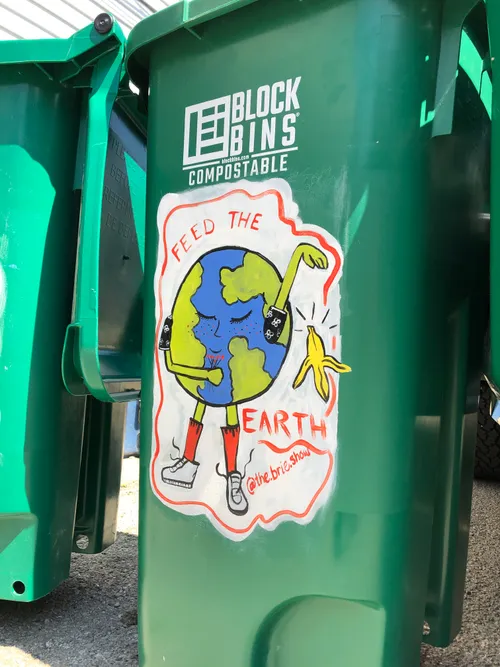
Block Bins provides food waste composting and recycling services for restaurants, homes, schools, and events in Aurora, IL. They offer locked shared bins to reduce contamination and clutter, with regular pickups and power washing to maintain cleanliness. Subscribers pay for a set volume of compost space, making it a flexible and community-friendly option. Block Bins has been serving customers for over five years and supports sustainable waste diversion through dedicated-stream recycling bins.
Collective Resource Compost Cooperative
Evanston, IL
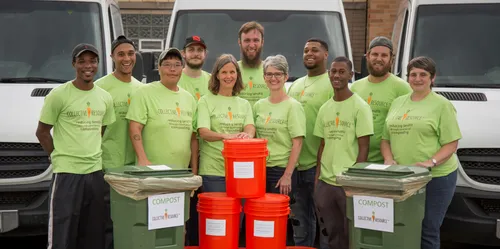
Collective Resource Compost Cooperative provides food waste composting services for restaurants and households in Evanston, IL. They offer customized container-swap programs with flexible options ranging from small 5-gallon buckets to large 32-gallon totes, supporting communal composting in multi-unit buildings and neighborhoods. The cooperative emphasizes easy composting with expert guidance and manages various waste streams, including food scraps and certified compostable products. They have exclusive franchise agreements in several municipalities and serve a broad area within Chicagoland. With over a decade of experience, Collective Resource promotes sustainable waste reduction and soil regeneration through community-focused composting programs.
Commercial Food Scrap Collection Services
The primary method for Chicago restaurants to handle organic waste is through private haulers. These companies specialize in the collection and processing of commercial-scale food scraps, offering services that fit the volume and frequency needs of individual establishments.
- Key Providers: Local companies like WasteNot and The Urban Canopy are prominent players, often working in partnership with larger waste haulers to provide seamless service. It's advisable to contact multiple providers for quotes to compare service specifics and pricing.
- Service Flexibility: Haulers typically offer a range of container options, from small 5-gallon buckets ideal for tight kitchen spaces to larger 64-gallon carts or even dumpster-style bins for high-volume operations. Pickup schedules can be arranged weekly, bi-weekly, or on-demand based on your establishment's waste generation rate.
- Getting Started: The process usually begins with a waste audit or consultation. A service representative will assess your current waste stream, recommend appropriate container sizes and pickup frequency, and provide clear guidelines on what can and cannot be composted.
What Can Be Composted? Accepted Materials Guide
A major advantage of commercial composting services is the broad range of materials they accept, far exceeding typical backyard compost piles. This "compostability list" helps maximize diversion rates.
Commonly Accepted Items Include:
- All Food Scraps: Fruits, vegetables, grains, bread, and coffee grounds (including filters).
- Protein & Dairy: Meat, fish, bones, cheese, and eggs.
- Soiled Paper Products: Paper towels, napkins, uncoated paper plates, and pizza boxes that are free of wax or plastic lining.
- Certified Compostable Products: Items like bags, containers, and utensils that carry BPI (Biodegradable Products Institute) or similar certifications 1.
Strictly Avoid (Contaminants):
- Non-Compostable Plastics: This includes traditional plastic bags, wrappers, and packaging.
- Glass, Metal, and Foam: These materials do not break down and can damage processing equipment.
- Liquids & Grease: While small amounts of food-soiled paper are okay, free-flowing oils and grease should be managed separately, often through a used cooking oil collection service.
Proper separation at the source is critical. Contamination can lead to rejected loads, additional fees, and undermines the quality of the finished compost.
Understanding Costs and Potential Savings
While specific pricing is proprietary and varies by provider, commercial food waste recycling involves a monthly service fee. This fee is typically based on:
- Container Size and Quantity: Larger or more containers cost more.
- Pickup Frequency: More frequent collection increases cost.
- Hauler and Location: Rates can vary between service providers and depending on your business's location within the city.
For a small to mid-sized restaurant, monthly costs might range from approximately $50 to over $1002 3. It's important to view this not as a pure cost, but as part of your overall waste management budget. By diverting heavy, wet organic waste from your standard trash stream, you may be able to reduce the size or frequency of your garbage dumpster pickup, potentially offsetting some or all of the composting service cost. Requesting a comprehensive quote that compares your current total waste hauling bill against a proposed scenario with organics separation is the best way to evaluate financial impact.
Find the perfect composting & food waste companies for your needs
Get personalized recommendations and expert advice
City Initiatives and Regulatory Landscape
Chicago's municipal government plays a supportive role in building a citywide culture of composting. While commercial operations rely on private haulers, city programs help set the stage.
- Residential Drop-Off Network: The City of Chicago operates a network of food scrap drop-off sites at libraries, parks, and community centers4. These are designed for residents, not as a primary solution for commercial volume, but they indicate growing infrastructure and public awareness.
- Pilot Programs: Initiatives like the city-wide compost pilot program launched in 2023 aim to boost Chicago's overall recycling and diversion rates, signaling a long-term commitment to organics recycling5.
- State-Level Mandates: Illinois law includes provisions that require large event venues with a capacity of 3,500 or more to provide organic waste composting options where processing facilities are available6. This is a key regulation for stadiums, convention centers, and large theaters in the Chicago area.
Best Practices for Restaurant Implementation
Successfully integrating food scrap collection into daily operations requires planning and staff engagement.
- Choose the Right Containers: Use non-porous, rigid, and leak-proof containers for collection in kitchen areas to prevent odors and pests7. Clearly label them with graphics or multilingual signs.
- Train Your Team: Conduct training for all kitchen and front-of-house staff. Emphasize what goes in the compost bin versus trash or recycling. Make it part of the onboarding process for new hires.
- Establish a Storage Area: Designate a clean, accessible area for the hauler's collection cart or bin. This area should be clearly marked and maintained to avoid contamination.
- Consider Food Donation First: Before composting, explore donating surplus, edible food. Illinois follows the federal Bill Emerson Good Samaritan Food Donation Act, which protects donors from liability when donating in good faith8. Partner with local food banks or shelters as part of a comprehensive waste reduction strategy.
- Review Local Codes: Familiarize yourself with Chicago's municipal code regarding composting standards and waste handling to ensure full compliance9.
Exploring Alternative: On-Site Processing
For businesses with sufficient space and a desire for ultimate control, on-site composting or digestion is an option. This involves using specialized equipment like in-vessel composters or anaerobic digesters to process food scraps on your property. The resulting compost can be used in landscaping or given away. While this requires a higher upfront investment and operational management, it eliminates hauling fees and creates a closed-loop system. It's a solution worth investigating for large institutions, corporate campuses, or very large restaurants with dedicated sustainability goals.
The Environmental & Community Impact
Diverting food waste from landfills has a profound positive impact. In landfills, organic matter decomposes anaerobically (without oxygen), producing methane, a potent greenhouse gas. Composting processes this material aerobically, turning it into a nutrient-rich soil amendment. The finished compost from Chicago's food scraps can be used to enrich urban farms, community gardens, and landscaping projects across the region, closing the loop and supporting local green spaces 10. For a restaurant, promoting this cycle can strengthen community ties and enhance brand reputation as a responsible local business.
Frequently asked questions
Sources
Footnotes
-
Food Waste Recycling in Chicago | RTS - https://www.rts.com/locations/chicago/food-waste/ ↩
-
Commercial Compost Collection For Your Business - https://www.wastenotcompost.com/compost/commercial ↩
-
Residential & Commercial Compost Collection Service in Chicago - https://www.theurbancanopy.org/composting ↩
-
Food Scrap Drop-Off | Chicago Recycles - https://www.chicago.gov/city/en/sites/chicago-recycles/home/food-scrap-drop-off.html ↩
-
Brandon Johnson Launches City-Wide Compost Pilot Program to Boost Chicago's Low Recycling Rate - https://news.wttw.com/2023/10/16/brandon-johnson-launches-city-wide-compost-pilot-program-boost-chicago-s-low-recycling ↩
-
Illinois Food Waste Policy - https://policyfinder.refed.org/illinois/ ↩
-
Compostable Waste Collections - https://epa.illinois.gov/topics/waste-management/materials-management/composting/compostable-waste-collections.html ↩
-
Food Waste - Illinois Environmental Protection Agency - https://epa.illinois.gov/topics/waste-management/materials-management/food-waste.html ↩
-
7-28-715 Composting standards. - https://codelibrary.amlegal.com/codes/chicago/latest/chicago_il/0-0-0-2641655 ↩
-
Residential & Commercial Compost Collection Service in Chicago - The Urban Canopy - https://www.theurbancanopy.org/composting ↩