
Find the Best Composting & Food Waste Companies for Your Business
No obligation • Fast responses • Nationwide coverage

Why you can trust Restaurant Waste Disposal
Restaurant Waste Disposal is a leading U.S. resource for comparing restaurant composting, food-waste recycling, grease trap cleaning, and used cooking oil collection services. Our editorial team researches providers, checks credentials, and organizes unbiased information so operators can make informed decisions. Companies cannot pay to change ratings or placement.
Search providers near you
Top Composting & Food Waste Companies in Waukegan, Illinois Ranked
For restaurants and food service businesses in Waukegan, managing organic waste is a critical operational and environmental consideration. While the city itself does not offer a dedicated municipal program for commercial food scrap collection, a robust private market exists to help establishments divert waste from landfills. By contracting with specialized haulers, Waukegan businesses can implement effective food waste recycling and composting programs, contributing to Illinois's broader waste diversion goals and turning a waste stream into a resource. Navigating the options for containers, schedules, and acceptable materials is the first step toward a more sustainable and potentially cost-effective operation.
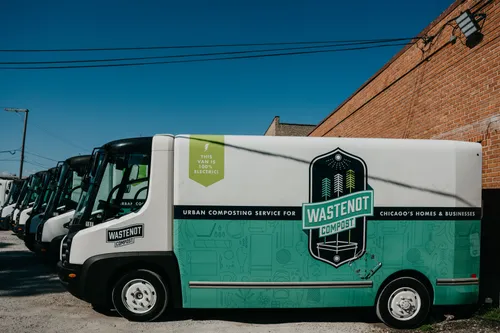
WasteNot Compost
Chicago, IL
WasteNot Compost provides food waste and composting services for homes, businesses, and events in Chicago, IL. Their service uses 100% electric vehicles to collect compostable waste, offering scheduled pickups with clean, sanitized receptacles. Members can also access a shop for compostable and sustainable products with zero emissions delivery. WasteNot Compost has been serving the community since at least 2015, focusing on reducing landfill waste and greenhouse gas emissions through convenient composting solutions.
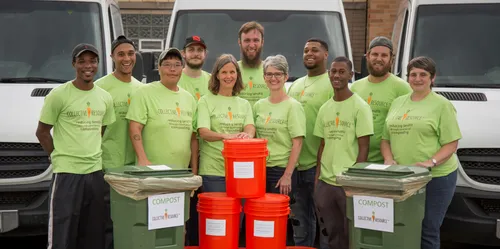
Collective Resource Compost Cooperative
Evanston, IL
Collective Resource Compost Cooperative provides food waste composting services for restaurants and households in Evanston, IL. They offer customized container-swap programs with flexible options ranging from small 5-gallon buckets to large 32-gallon totes, supporting communal composting in multi-unit buildings and neighborhoods. The cooperative emphasizes easy composting with expert guidance and manages various waste streams, including food scraps and certified compostable products. They have exclusive franchise agreements in several municipalities and serve a broad area within Chicagoland. With over a decade of experience, Collective Resource promotes sustainable waste reduction and soil regeneration through community-focused composting programs.
Understanding Food Waste Recycling for Waukegan Businesses
Food waste recycling, often synonymous with commercial composting, involves the systematic collection and processing of organic materials like food scraps and compostable paper products. For a restaurant, this typically means separating these items from the general trash and recycling streams at the source. In Waukegan, this service is provided by private waste management companies that supply specialized containers, collect the material on a scheduled basis, and transport it to a facility where it is transformed into nutrient-rich compost or soil amendment. This process not only reduces the volume of waste sent to landfills but also closes the loop in the food cycle, supporting local agriculture and landscaping.
The benefits extend beyond environmental stewardship. Proper organic waste management can lead to cleaner kitchen and dumpster areas by reducing odors and pests associated with decomposing food in trash bins. It can also provide a tangible point of engagement for customers who increasingly value sustainable business practices. Furthermore, by reducing the frequency or volume of trash pickups needed, some businesses find they can rebalance their overall waste management costs.
Key Service Providers for Organic Waste Collection
Waukegan restaurants have several reputable national and regional providers to choose from. It's advisable to contact multiple companies for quotes to find the best fit for your specific volume and service needs.
- WM (Waste Management): A national leader offering comprehensive restaurant waste management solutions, including dedicated food scrap collection services. They provide containers and tailored pickup schedules.
- Republic Services: Another major national provider with commercial recycling and organic waste programs designed for businesses, offering containers and flexible service plans 1.
- Black Earth Compost: A regional service focused specifically on composting. They offer commercial collection programs with a clear emphasis on turning food scraps into high-quality compost, often providing detailed guidance on participation.
- CompostNow: A service provider that partners with businesses to make composting simple, offering bin setups, compostable liners, and regular pickups. They emphasize a tailored approach for restaurants and food service operations.
Engaging with these providers is the primary pathway for a Waukegan restaurant to establish a food waste diversion program.
What Can and Cannot Go in the Compost Bin
Strict adherence to guidelines is crucial for a successful program. Contamination with non-compostable materials can spoil entire loads, leading to potential rejection and fees. Here's a general guide, though you should always confirm specifics with your chosen hauler.
Accepted Materials (Compostables):
- Food Scraps: This includes both pre-consumer waste (peels, ends, spoiled produce, eggshells, coffee grounds) and post-consumer waste (plate scrapings, uneaten food). Meat, bones, and dairy are often accepted by commercial processors but verify with your provider.
- Compostable Serviceware: Certified compostable plates, bowls, cups, cutlery, and straws. Look for certifications like BPI (Biodegradable Products Institute).
- Soiled Paper Products: Uncoated paper napkins, paper towels, parchment paper, and pizza boxes (without excessive grease).
- Compostable Liners: Bags certified for commercial composting, which are often provided or recommended by the hauler for lining collection totes.
Common Contaminants (Do Not Compost):
- Traditional Plastics: Even if labeled "biodegradable," unless specifically certified for commercial composting. This includes plastic bags, wrappers, and packaging.
- Liquids & Grease: Cooking oils, fats, and grease must be handled separately, typically by a used cooking oil (UCO) or grease trap service. Do not pour these into the compost tote.
- General Trash: Glass, metal, rubber, and any other non-organic refuse.
- "Compostable" Plastics for Home Use: Some bags and products are designed for backyard compost piles and will not break down in a commercial facility.
Find the perfect composting & food waste companies for your needs
Get personalized recommendations and expert advice
Containers, Schedules, and Operational Logistics
Implementing a food scrap collection program requires some logistical planning. Service providers work with you to design a system that integrates smoothly into your daily operations.
- Containers (Totes/Bins): Your hauler will supply dedicated, clearly labeled containers. These range from small countertop pails for kitchen prep areas to larger wheeled totes (e.g., 64-gallon) for back-of-house storage and curbside pickup. Using the provided compostable liner bags makes transferring waste and keeping bins clean much easier 2.
- Collection Schedules: Frequency is highly customizable based on your waste volume. A small café might only need once-weekly pickup, while a high-volume restaurant may require service five to seven times a week. Schedules are arranged during the sign-up process and can be adjusted as your needs change 3.
- Staff Training: The success of the program hinges on consistent participation from every team member. Clear signage, accessible bins, and initial training sessions are essential to ensure proper sorting and minimize contamination. Many service providers offer educational materials to assist with this.
Cost Considerations for Food Waste Recycling
The cost for commercial food scrap collection in Waukegan varies based on several factors and is structured as a monthly service fee. There is no single price, as it is customized to each business.
Primary Cost Factors Include:
- Collection Frequency: More pickups per week mean a higher monthly cost.
- Container Size and Quantity: The number and volume of totes supplied.
- Hauling Distance and Processing Fees: Costs associated with transportation and the composting facility's tipping fees.
- Service Provider: Different companies have different pricing models.
While the monthly fee for composting service may be comparable to or slightly higher than your current trash disposal costs, the overall financial picture should be considered. By diverting heavy, wet organic material from your trash bins, you may be able to reduce the size or frequency of your garbage service, potentially offsetting the new cost 4. Additionally, some businesses find value in the marketing and customer goodwill generated by their sustainability efforts.
Getting Started and Local Resources
Taking the first step is straightforward. Begin by researching and contacting the service providers listed above to request a consultation and a quote. They will guide you through the specifics of their program, costs, and setup process.
For broader regional information and support, the Solid Waste Agency of Lake County (SWALCO) is an invaluable resource. While they may not directly provide commercial collection in Waukegan, they offer guidance on waste reduction, recycling, and can provide information on organic waste management in the county 5. You can also check the City of Waukegan's official website for general waste collection rules, though detailed commercial composting information will come from private contractors 6.
The Bigger Picture: Grease and Oil Management
A comprehensive restaurant waste strategy also addresses used cooking oil (UCO) and grease trap waste. These materials are not suitable for composting and require separate, specialized handling. Many national waste management companies and dedicated regional services offer used cooking oil collection for recycling into biofuels and regular grease trap cleaning to prevent sewer line blockbacks and ensure compliance with local regulations 7 8. Coordinating your food scrap composting, grease management, and traditional recycling creates a holistic and responsible waste management plan for your business.
Frequently asked questions
Sources
Footnotes
-
Commercial Business Waste Disposal & Recycling Services - https://www.republicservices.com/businesses ↩
-
CompostNow | Compost Services for Homes and Businesses - https://www.compostnow.org/ ↩
-
Commercial Collection | Black Earth Compost - https://blackearthcompost.com/commercial/ ↩
-
Waste Management for Restaurants | Mundea - https://www.mundea.com/industries/restaurants ↩
-
2014 Solid Waste Management Plan Update for Lake County ... - https://epa.illinois.gov/content/dam/soi/en/web/epa/topics/waste-management/materials-management/documents/lake.pdf ↩
-
Waste Collection and Recycling Tips | Waukegan, IL - Official Website - https://www.waukeganil.gov/345/Waste-Collection ↩
-
Restaurant Waste Management & Recycling Services - WM - https://www.wm.com/us/en/business/restaurant ↩
-
How Is Restaurant Food Waste Recycled? - Mahoney Environmental - https://www.mahoneyes.com/restaurant-food-waste-recycling/ ↩