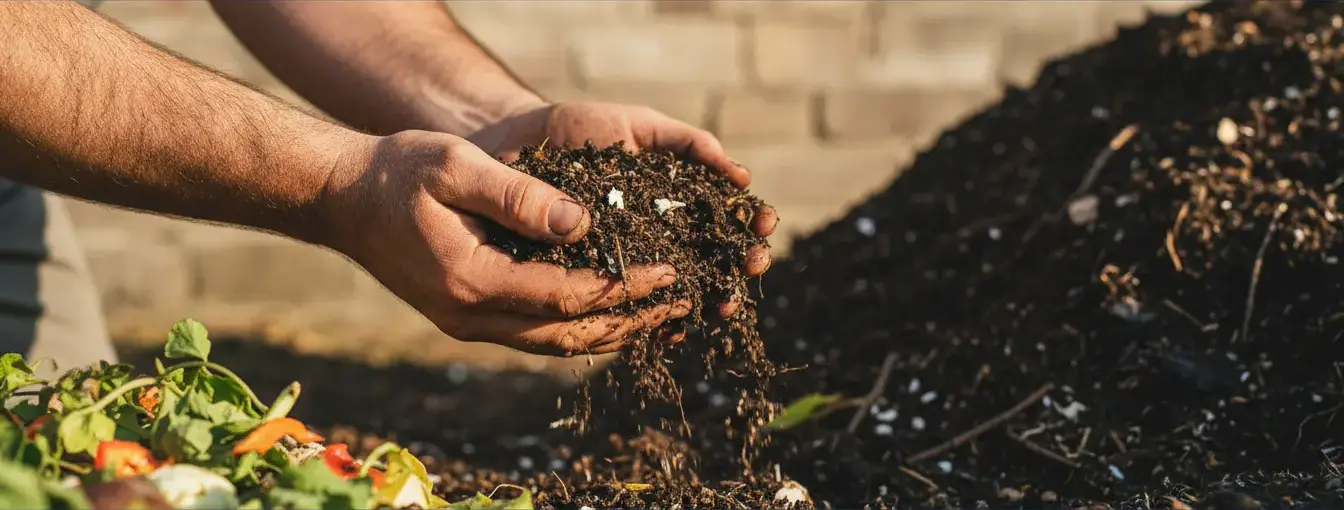
Find the Best Composting & Food Waste Companies for Your Business
No obligation • Fast responses • Nationwide coverage

Why you can trust Restaurant Waste Disposal
Restaurant Waste Disposal is a leading U.S. resource for comparing restaurant composting, food-waste recycling, grease trap cleaning, and used cooking oil collection services. Our editorial team researches providers, checks credentials, and organizes unbiased information so operators can make informed decisions. Companies cannot pay to change ratings or placement.
Search providers near you
Top Composting & Food Waste Companies in Tinley Park, Illinois Ranked
For restaurants and food service businesses in Tinley Park, managing organic waste is a critical operational and environmental consideration. While the village does not currently offer a municipal food scrap collection program for all residents and businesses, effective commercial composting is both possible and encouraged through private waste haulers and county-wide initiatives. Implementing a food waste recycling program can reduce landfill contributions, potentially lower overall waste disposal costs, and align with growing consumer expectations for sustainable business practices. This guide outlines the local landscape for organics diversion, providing Tinley Park eateries with the actionable steps needed to start composting.
Commercial Composting Options in Tinley Park
Since a city-run organics program is not available, Tinley Park restaurants must seek out private waste and recycling companies that offer commercial food scrap collection services. Major national haulers like Waste Management and Republic Services, which service the area, typically provide these specialized organics programs alongside traditional trash and recycling pickup. The process begins by contacting these providers directly to discuss service options, container needs, and scheduling tailored to your establishment's volume of food waste.
Businesses are not limited to giant corporations; it's worth inquiring with local or regional haulers operating in Cook County to compare services. The key is to secure a hauler that can transport your organic waste to a permitted commercial composting facility. Cook County's "Path Toward Zero Waste" initiative actively promotes this kind of business diversion, providing a supportive framework for restaurants making the switch 1.
What Can Your Restaurant Compost?
Understanding what materials are accepted is the cornerstone of a successful program and prevents costly contamination. Commercial composting facilities that handle food service waste generally have broader acceptance guidelines than backyard compost piles.
Accepted Materials Typically Include:
- All food scraps, including fruits, vegetables, grains, and bread.
- Meat, fish, bones, and dairy products (a key difference from many residential programs).
- Coffee grounds and filters, tea bags.
- Food-soiled paper products like napkins, paper towels, uncoated paper plates, and pizza boxes (without heavy grease saturation).
- Certified compostable serviceware and bags (but you must verify acceptance with your specific hauler).
Common Contaminants to Exclude:
- Conventional plastic bags, packaging, or utensils.
- Glass, metals, or foil.
- Styrofoam or other plastics.
- Liquids, oils, and grease (these require separate management, such as grease trap services).
- Sanitary products or chemicals.
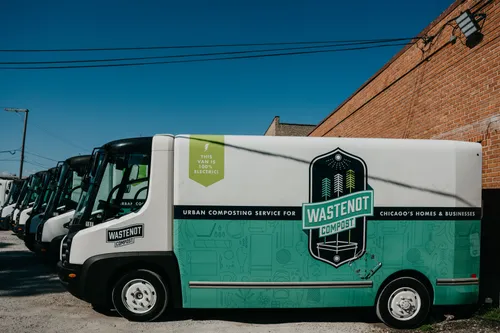
WasteNot Compost
Chicago, IL
WasteNot Compost provides food waste and composting services for homes, businesses, and events in Chicago, IL. Their service uses 100% electric vehicles to collect compostable waste, offering scheduled pickups with clean, sanitized receptacles. Members can also access a shop for compostable and sustainable products with zero emissions delivery. WasteNot Compost has been serving the community since at least 2015, focusing on reducing landfill waste and greenhouse gas emissions through convenient composting solutions.
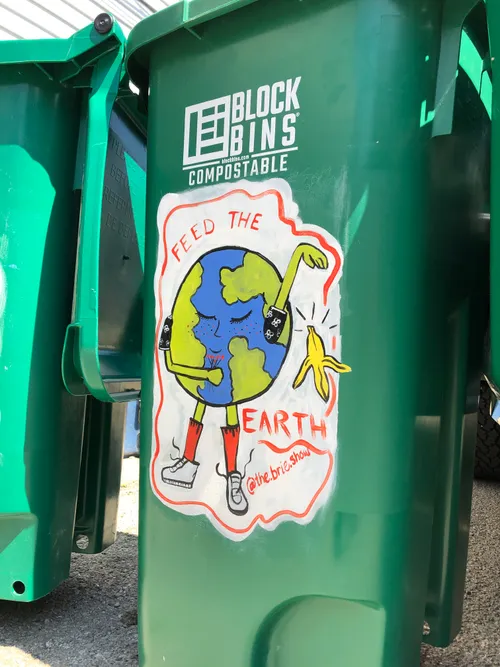
Block Bins
Aurora, IL
Block Bins provides food waste composting and recycling services for restaurants, homes, schools, and events in Aurora, IL. They offer locked shared bins to reduce contamination and clutter, with regular pickups and power washing to maintain cleanliness. Subscribers pay for a set volume of compost space, making it a flexible and community-friendly option. Block Bins has been serving customers for over five years and supports sustainable waste diversion through dedicated-stream recycling bins.
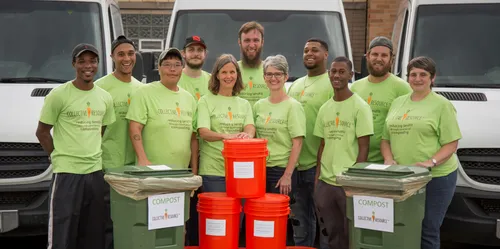
Collective Resource Compost Cooperative
Evanston, IL
Collective Resource Compost Cooperative provides food waste composting services for restaurants and households in Evanston, IL. They offer customized container-swap programs with flexible options ranging from small 5-gallon buckets to large 32-gallon totes, supporting communal composting in multi-unit buildings and neighborhoods. The cooperative emphasizes easy composting with expert guidance and manages various waste streams, including food scraps and certified compostable products. They have exclusive franchise agreements in several municipalities and serve a broad area within Chicagoland. With over a decade of experience, Collective Resource promotes sustainable waste reduction and soil regeneration through community-focused composting programs.
Setting Up Your Kitchen's System
A smooth operational flow is essential for staff buy-in and program purity. Start by designating a collection point in your kitchen prep and dishwashing areas. This is often a durable, lidded bin lined with a certified compostable bag or newspaper. The size should be appropriate for the volume generated between emptying to avoid odor issues.
Your hauler will supply the exterior collection container, which is typically a 96-gallon cart with a green lid or a larger dumpster dedicated to organics. Placement should be convenient for staff to empty indoor bins and for the hauler's truck to access. Pickup frequency is negotiated with your provider and usually ranges from one to three times per week for active restaurants, depending on your output and container size.
Staff Training and Signage
The human element is the most critical component. Comprehensive training for every team member-from chefs and line cooks to bussers and dishwashers-is non-negotiable. Conduct initial training sessions and brief refreshers to explain the "why" and the "how," focusing on what goes in the organics bin versus the trash or recycling.
Clear, simple signage is your best ally. Post visual guides above or directly on all collection bins. Use pictures and minimal text in languages spoken by your staff. Consistent, visible reminders help turn proper sorting into a routine habit and dramatically reduce contamination rates.
Understanding Costs and Logistics
Investing in organics recycling involves a monthly service fee from your hauler. Costs are not fixed and can vary based on your location, the volume of waste, and the frequency of pickup. As a general estimate, restaurants in the Tinley Park area might expect to pay between $100 to over $300 per month for commercial food scrap collection 2. It's important to request detailed quotes from multiple providers.
When evaluating cost, consider the potential for offsetting expenses. By diverting heavy, wet food waste from your standard trash dumpster, you may be able to reduce the size of your garbage container or decrease the frequency of trash pickups, which can lower your total waste management bill. A conversation with your current waste provider can help model these potential savings.
Find the perfect composting & food waste companies for your needs
Get personalized recommendations and expert advice
Benefits Beyond Compliance
Adopting a food waste recycling program positions your Tinley Park restaurant as a community leader in sustainability. It's a powerful story to share with customers who increasingly prefer to support environmentally responsible businesses. Furthermore, composting completes the natural cycle, transforming waste into a valuable product that enriches soil for local agriculture and landscaping.
Managing food waste efficiently also encourages closer scrutiny of your kitchen's production and portioning, which can lead to reduced food costs. Tracking what ends up in the compost bin can reveal opportunities for waste prevention-the most effective strategy of all.
Navigating Grease and Oil Separately
It's crucial to remember that composting and grease management are distinct services. Liquids, fats, oils, and grease (FOG) should never go into the organics or trash stream, as they can cause severe contamination and plumbing issues. Restaurants are required to maintain grease traps or interceptors and have them regularly cleaned by a licensed service. Used cooking oil (UCO) is another separate stream, often collected for free or even purchased by rendering companies to be converted into biodiesel or other products. A comprehensive waste management plan for a restaurant will address all three streams: solid organics (composting), FOG (grease trap cleaning), and UCO (collection).
Getting Started: Your Action Plan
- Assess Your Waste: Audit your current trash to understand how much is compostable material.
- Contact Haulers: Reach out to your current waste provider and competitors like Waste Management or Republic Services to inquire about commercial organics collection, request quotes, and ask for their specific guidelines 3.
- Plan Your Kitchen Flow: Decide on indoor bin locations, types, and liners.
- Educate Your Team: Develop training materials and schedule sessions for all staff.
- Launch and Monitor: Start the program, place clear signage, and monitor bins for contamination, providing gentle correction and retraining as needed.
Taking these steps allows Tinley Park restaurants to contribute meaningfully to local waste diversion goals while potentially streamlining operations and enhancing their brand reputation.
Frequently asked questions
Sources
Footnotes
-
Waste Diversion and Recycling - Cook County - https://www.cookcountyil.gov/service/waste-diversion-and-recycling ↩
-
Illinois Bill SB2876 Composting Requirements - Max-R - https://max-r.com/post/illinois-bill-sb2876-composting-requirements/ ↩
-
Composting | US EPA - https://www.epa.gov/sustainable-management-food/composting ↩