
Find the Best Composting & Food Waste Companies for Your Business
No obligation • Fast responses • Nationwide coverage

Why you can trust Restaurant Waste Disposal
Restaurant Waste Disposal is a leading U.S. resource for comparing restaurant composting, food-waste recycling, grease trap cleaning, and used cooking oil collection services. Our editorial team researches providers, checks credentials, and organizes unbiased information so operators can make informed decisions. Companies cannot pay to change ratings or placement.
Search providers near you
Top Composting & Food Waste Companies in Skokie, Illinois Ranked
For restaurants and food service businesses in Skokie, managing organic waste is a critical operational and environmental consideration. The Village of Skokie supports commercial food scrap diversion through a network of approved third-party vendors, providing a structured pathway for establishments to reduce landfill contributions and embrace sustainable practices. This system allows local businesses to directly contract for tailored organic recycling services, turning food waste into a valuable resource rather than a disposal problem. Implementing a robust program requires understanding the available services, accepted materials, and best practices for integration into daily operations.
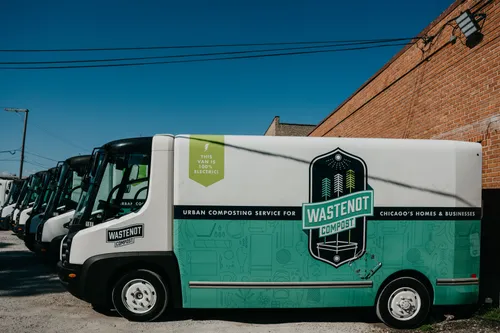
WasteNot Compost
Chicago, IL
WasteNot Compost provides food waste and composting services for homes, businesses, and events in Chicago, IL. Their service uses 100% electric vehicles to collect compostable waste, offering scheduled pickups with clean, sanitized receptacles. Members can also access a shop for compostable and sustainable products with zero emissions delivery. WasteNot Compost has been serving the community since at least 2015, focusing on reducing landfill waste and greenhouse gas emissions through convenient composting solutions.
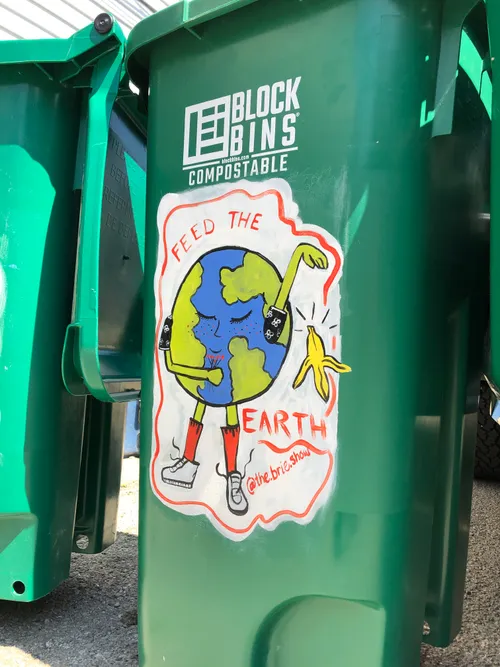
Block Bins
Aurora, IL
Block Bins provides food waste composting and recycling services for restaurants, homes, schools, and events in Aurora, IL. They offer locked shared bins to reduce contamination and clutter, with regular pickups and power washing to maintain cleanliness. Subscribers pay for a set volume of compost space, making it a flexible and community-friendly option. Block Bins has been serving customers for over five years and supports sustainable waste diversion through dedicated-stream recycling bins.
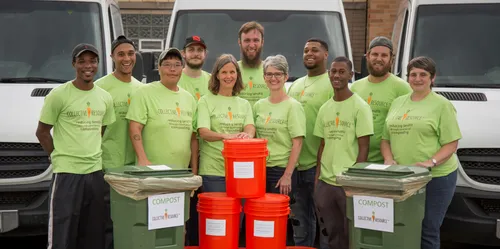
Collective Resource Compost Cooperative
Evanston, IL
Collective Resource Compost Cooperative provides food waste composting services for restaurants and households in Evanston, IL. They offer customized container-swap programs with flexible options ranging from small 5-gallon buckets to large 32-gallon totes, supporting communal composting in multi-unit buildings and neighborhoods. The cooperative emphasizes easy composting with expert guidance and manages various waste streams, including food scraps and certified compostable products. They have exclusive franchise agreements in several municipalities and serve a broad area within Chicagoland. With over a decade of experience, Collective Resource promotes sustainable waste reduction and soil regeneration through community-focused composting programs.
Understanding Skokie's Commercial Organics Recycling Framework
Unlike a direct municipal collection service for trash and recycling, Skokie's approach to commercial food scrap composting relies on partnerships with specialized vendors. Businesses must subscribe directly with an approved provider to receive service 1. This model offers flexibility, as restaurants can choose a vendor and service plan that matches their specific volume and frequency needs. The village actively promotes these services and provides clear guidelines, creating a supportive ecosystem for businesses looking to start or enhance their food waste recycling efforts.
The primary vendors serving Skokie include companies like WasteNot and the Collective Resource Compost Cooperative. These providers handle the collection, transportation, and processing of organic materials into compost. For a restaurant, this means the responsibility for waste separation happens on-site, with the vendor managing the rest of the chain. This decentralized approach is common for commercial organics programs and allows vendors to offer more customized solutions than a one-size-fits-all municipal service might provide.
What Materials Can Be Composted?
A significant advantage of using a professional composting service is the broad range of materials accepted. For Skokie businesses, this typically includes:
- All food scraps: This encompasses fruits, vegetables, meat, poultry, fish, bones, dairy products, eggs, and shells.
- Food-soiled paper: Paper towels, napkins, uncoated paper plates, pizza boxes, and coffee filters.
- Certified compostable products: Items like bags, containers, and utensils that carry a recognized certification (e.g., BPI certified).
This "all food in" policy simplifies the sorting process for kitchen staff, as there's no need to separate meat from vegetables or dairy from produce. The key is ensuring that only accepted items enter the compost stream to avoid contamination.
Critical Contamination Guidelines
Maintaining a clean compost stream is essential for the process to work and to avoid issues like pests or rejected loads. Items that must NOT go into the compost bin include:
- Plastic bags (unless they are certified compostable).
- Traditional plastic of any kind, including wrappers, containers, and utensils.
- Glass, metal, or aluminum foil.
- Styrofoam or other packaging materials 2 3.
To manage scraps neatly, businesses are encouraged to use paper bags or certified compostable liners inside their collection pails 4. Proper sealing of outdoor collection totes is also a crucial requirement from the Skokie Health Department to prevent odors and deter pests like rodents and insects. Adhering to these guidelines is not just a vendor request but a component of responsible commercial operation.
Implementing a Food Waste Program in Your Restaurant
Starting a composting program requires planning and staff engagement. The first step is to contact vendors for a quote. Providers like WasteNot and Collective Resource will discuss your establishment's size, estimated waste volume, and desired pickup frequency (e.g., weekly, multiple times per week) to provide pricing 5. It's advisable to get quotes from more than one vendor to compare service options and costs.
Once a vendor is selected, the next phase is internal system setup. Vendors typically supply the outdoor collection containers, such as 32-gallon totes or larger wheeled bins suitable for restaurant volumes 6. Internally, you'll need to place smaller collection pails in key areas like the prep kitchen, dishwashing station, and potentially wait stations. Clear signage outlining what goes in the compost bin versus the trash or recycling is vital for proper sorting.
Find the perfect composting & food waste companies for your needs
Get personalized recommendations and expert advice
The most critical element for success is staff training and buy-in. Educate every team member, from chefs to bus staff, on the "what, why, and how" of the new system. Explain the environmental benefits and how proper sorting prevents contamination. Many vendors offer educational resources or can assist with initial training. Consistent monitoring and gentle reminders during the launch phase help establish good habits, turning food scrap separation into a standard part of the daily routine.
Container Management and Pickup Logistics
Logistics are straightforward with a vendor-managed service. You will agree on a pickup schedule and a location for the outdoor totes, typically near your dumpster or in another service alley. Staff are responsible for transferring scraps from indoor pails to the secure outdoor containers. The vendor will collect the full totes on the scheduled day and leave clean, empty ones in their place. For restaurants with high volume, more frequent pickups or larger container sizes can be arranged to manage odor and space 7.
The Financial and Environmental Impact
The cost for commercial food scrap collection is borne directly by the business and varies based on container size, pickup frequency, and total volume 8 9. While there is an added line item for this service, it's important to view it as an investment with potential offsets. By diverting heavy, wet organic material from the trash, a restaurant may reduce the size or frequency of its garbage dumpster service, potentially lowering those disposal costs. Some vendors, like Collective Resource, have offered promotional discounts (e.g., 15% off) for Skokie businesses, which can help with initial adoption 10.
The environmental return is significant. Diverting food waste from landfills reduces methane emissions, a potent greenhouse gas, and creates nutrient-rich compost used to enrich soil 11. For a restaurant, this translates into a tangible sustainability story that can resonate with environmentally conscious customers and staff. It aligns with Skokie's broader waste reduction and sustainability goals, positioning your business as a community leader in responsible practices 12 11.
Navigating Health and Safety Regulations
Integrating organics recycling must be done in compliance with local health codes. The Skokie Health Department emphasizes proper container maintenance to prevent public health nuisances 13. This means using containers with tight-fitting lids, ensuring they are kept clean, and arranging for regular pickup so that waste does not accumulate and decompose on-site for extended periods. Your chosen vendor should be familiar with these requirements and provide containers that meet them. A well-run program not only benefits the environment but also demonstrates a commitment to operational excellence and community health.
Frequently asked questions
Sources
Footnotes
-
Waste Management - https://www.skokie.org/1358/Waste-Management ↩
-
Compost Options In Skokie - https://www.skokie.org/830/Composting ↩
-
Village of Skokie Compost Bin Reimbursement Form - https://www.skokie.org/DocumentCenter/View/1640/Compost-Bin-Reimbursement-Form-PDF ↩
-
Village of Skokie - Facebook - https://www.facebook.com/photo.php?fbid=880608757588093&id=100069169300787&set=a.159588266356816 ↩
-
Skokie Curbside Compost Collection - https://www.wastenotcompost.com/community/skokie ↩
-
Composting in Skokie IL | Collective Resource Compost Cooperative - https://www.collectiveresourcecompost.coop/composting-in-skokie ↩
-
FAQs • What is once-weekly refuse collection? - Skokie.org - https://www.skokie.org/FAQ.aspx?QID=357 ↩
-
Recycling Guidelines | Skokie, IL - https://www.skokie.org/288/Recycling-Guidelines ↩
-
Trash & Recycling Collection | Skokie, IL - https://www.skokie.org/704/Refuse-Collection ↩
-
New, Improved Options for Composting in Skokie - https://www.collectiveresourcecompost.coop/blog/new-improved-options-for-composting-in-skokie ↩
-
News Flash • Skokie Sets Monthly Composting Record - https://www.skokie.org/CivicAlerts.aspx?AID=1182 ↩ ↩2
-
Waste Management | Skokie, IL - https://www.skokie.org/1358/Waste-Management ↩
-
Environmental Health Requirements | Skokie, IL - https://www.skokie.org/1483/Environmental-Health-Requirements ↩