Find the Best Composting & Food Waste Companies for Your Business
No obligation • Fast responses • Nationwide coverage

Why you can trust Restaurant Waste Disposal
Restaurant Waste Disposal is a leading U.S. resource for comparing restaurant composting, food-waste recycling, grease trap cleaning, and used cooking oil collection services. Our editorial team researches providers, checks credentials, and organizes unbiased information so operators can make informed decisions. Companies cannot pay to change ratings or placement.
Search providers near you
Top Composting & Food Waste Companies in Schaumburg, Illinois Ranked
For restaurants and food service businesses in Schaumburg, managing organic waste is a critical operational and environmental responsibility. Unlike residential programs, commercial food scrap diversion requires partnering with private waste haulers, as the Village of Schaumburg does not offer a specific municipal program for businesses. Navigating this process involves understanding state regulations, selecting the right service provider, and implementing effective on-site practices to separate compostable materials from trash. Proper management of food waste and used cooking oil not only helps businesses comply with local health codes but also supports Illinois's broader sustainability goals by diverting organic material from landfills.
Successfully implementing a food waste recycling program can seem complex, but it breaks down into a few key areas: finding a service provider, understanding what materials are accepted, managing costs, and ensuring compliance. This guide provides Schaumburg food establishments with the essential information needed to start or optimize their organic waste diversion efforts.
WasteNot Compost
Chicago, IL
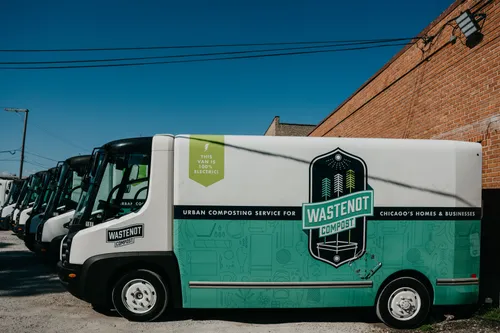
WasteNot Compost provides food waste and composting services for homes, businesses, and events in Chicago, IL. Their service uses 100% electric vehicles to collect compostable waste, offering scheduled pickups with clean, sanitized receptacles. Members can also access a shop for compostable and sustainable products with zero emissions delivery. WasteNot Compost has been serving the community since at least 2015, focusing on reducing landfill waste and greenhouse gas emissions through convenient composting solutions.
Block Bins
Aurora, IL
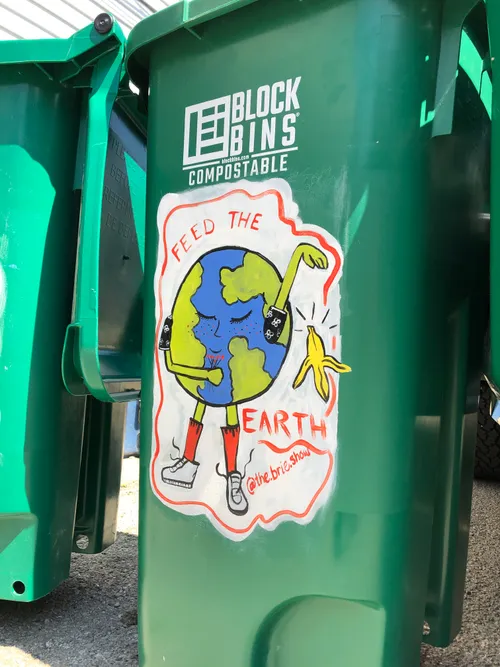
Block Bins provides food waste composting and recycling services for restaurants, homes, schools, and events in Aurora, IL. They offer locked shared bins to reduce contamination and clutter, with regular pickups and power washing to maintain cleanliness. Subscribers pay for a set volume of compost space, making it a flexible and community-friendly option. Block Bins has been serving customers for over five years and supports sustainable waste diversion through dedicated-stream recycling bins.
Collective Resource Compost Cooperative
Evanston, IL
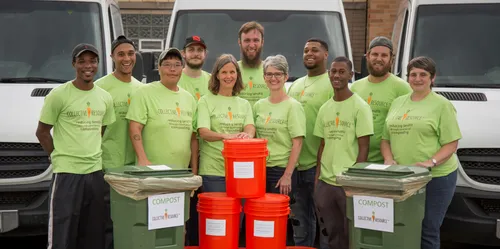
Collective Resource Compost Cooperative provides food waste composting services for restaurants and households in Evanston, IL. They offer customized container-swap programs with flexible options ranging from small 5-gallon buckets to large 32-gallon totes, supporting communal composting in multi-unit buildings and neighborhoods. The cooperative emphasizes easy composting with expert guidance and manages various waste streams, including food scraps and certified compostable products. They have exclusive franchise agreements in several municipalities and serve a broad area within Chicagoland. With over a decade of experience, Collective Resource promotes sustainable waste reduction and soil regeneration through community-focused composting programs.
Understanding Commercial Food Waste Services in Schaumburg
In Schaumburg, commercial entities, including restaurants, cafeterias, and grocery stores, must arrange for organic waste collection through private contractors. There is no city-run curbside pickup for business food scraps. This means you will need to contract directly with a waste hauler that offers commercial organic recycling services.
These services are typically offered on a flexible, "as-needed" or "per pull" basis, allowing you to schedule pickups based on your volume-whether that's daily, weekly, or on another schedule. The first step is to reach out to haulers for quotes and service details. Major providers like Lakeshore Recycling Systems (LRS) operate in the area and can tailor a plan for your specific waste stream.
Key Service Providers and How to Choose One
Your choice of hauler is crucial. You'll want a provider experienced in handling commercial food waste who can guide you through setup and compliance.
- Lakeshore Recycling Systems (LRS): A prominent provider in Schaumburg offering comprehensive waste, recycling, and compost collection services for businesses. They can provide containers and establish a pickup schedule 1.
- Other Regional Haulers: Several other companies service the Chicagoland area. The Illinois Food Scrap Coalition maintains a resource list of haulers and processors, which can be a valuable starting point for finding a partner.
When evaluating providers, ask specific questions:
- What is the pickup schedule and cost structure (e.g., per pull, monthly fee)?
- What type of containers do they supply, and is there a rental fee?
- Where do they take the collected organics, and what are that facility's contamination standards?
- Do they offer combined service for used cooking oil (UCO) collection or grease trap cleaning?
What Can and Cannot Be Composted
Strict contamination rules are the cornerstone of successful commercial composting. Processors will reject entire loads if they contain prohibited materials, which can lead to fines or service cancellation. Clear signage and staff training are essential.
Accepted Materials Typically Include:
- Food Scraps: Fruit and vegetable peels, coffee grounds, eggshells, baked goods, and dairy products.
- Food-Soiled Paper: Uncoated paper napkins, pizza boxes (grease-stained portions), paper towels, and compostable paper serviceware that is certified (e.g., BPI certified).
- Landscape Waste: In many commercial programs, food waste is co-collected with landscape waste. However, Illinois EPA rules often limit food scraps to about 10% of the total volume at certain processing facilities, so coordination with your hauler is key 2 3.
Strictly Prohibited Materials (Contaminants):
- Plastic Bags (unless they are certified compostable).
- Styrofoam, glass, metal, and rubber.
- Liquids and oils.
- Non-compostable packaging, even if it claims to be "biodegradable" 4 5.
On-Site Container Management and Best Practices
Proper on-site handling prevents pests and odors, ensuring a smooth process. The Village of Schaumburg's Environmental Health Division emphasizes pest prevention for all food establishments.
- Container Type: Use leak-proof, sealed containers with tight-fitting lids. Openings should be small (under 1/4 inch is recommended) to prevent pests from accessing the contents 6.
- Liners: If using liners, they must be certified compostable bags. Standard plastic bags are a major contaminant.
- Location: Store containers on a hard, clean surface, away from building entry points. Schedule frequent pickups, especially in warmer months, to manage odor and volume.
- Staff Training: Educate every team member on what goes in the compost bin versus the trash or recycling. Consistent, clear labeling and ongoing communication are vital for low contamination rates.
Find the perfect composting & food waste companies for your needs
Get personalized recommendations and expert advice
Navigating Costs, Incentives, and Regulations
Understanding Costs: Commercial composting service typically costs more than standard trash disposal due to the specialized handling and processing. Costs are influenced by pickup frequency, volume, container rental, and hauling distances 7. However, by diverting organics, you may reduce the size or frequency of your trash service, potentially offsetting some of the new cost. Always get detailed quotes from haulers that break down all fees.
Exploring Incentives - Food Donation: Before food becomes waste, consider donation. The Illinois EPA highlights that donating wholesome, unsold food to local pantries or food banks is protected under the Good Samaritan Act and may offer tax benefits 8. This is a powerful way to reduce waste while supporting the Schaumburg community.
Regulatory Compliance: Your primary local contact is the Village of Schaumburg Environmental Health Division, which enforces codes related to grease trap (FOG) maintenance and overall sanitation. For composting, you must follow the guidelines set by your hauler and the Illinois EPA, which oversees organic waste processing facilities in the state 9. Staying informed about state-level legislation, like SB2876 which has explored expanding composting requirements, is also wise for future planning 9.
Getting Started: Your Action Plan
- Conduct a Waste Audit: Spend a week analyzing your trash. How much is compostable organic material? This data will help you choose the right container size and service frequency.
- Contact Haulers: Reach out to at least two or three commercial waste service providers (like LRS and others from the Illinois Food Scrap Coalition list ) to request quotes and service details.
- Check Processor Rules: Ask potential haulers which composting facility they use and confirm that facility's specific acceptance policies, especially regarding the food-to-landscape waste ratio.
- Invest in On-Site Infrastructure: Purchase the appropriate sealed, pest-proof containers and certified compostable bags. Create clear, multilingual signage for staff and customers.
- Train Your Team: Hold a kick-off training session and make waste sorting part of your ongoing staff meetings. Designate a "green champion" to monitor the bins and answer questions.
- Review Health Codes: Ensure your plan for storing and collecting organic waste aligns with Village of Schaumburg pest control and sanitation regulations 10.
By taking these steps, Schaumburg restaurants can transform a waste stream into a resource, contributing to a cleaner local environment and a more sustainable operation.
Frequently asked questions
Sources
Footnotes
-
Business, Construction & Residential Waste Services | Schaumburg | LRS - https://www.lrsrecycles.com/municipality/schaumburg/ ↩
-
6D Resources/Haulers & Processors - Illinois Food Scrap & ... - https://illinoiscomposts.org/haulers-processors/ ↩
-
Yard Waste & Food Compost | Schaumburg, IL - https://www.villageofschaumburg.com/residents/garbage-recycling/yard-waste-food-compost ↩
-
One-Day Collection Events - Illinois Environmental Protection Agency - https://epa.illinois.gov/topics/waste-management/materials-management/composting/compostable-waste-collections/one-day-collection-events.html ↩
-
7-28-715 Composting standards. - https://codelibrary.amlegal.com/codes/chicago/c7209359-81de-4059-a679-f6a211f04dea/chicagobuilding_il/0-0-0-338280 ↩
-
Form Center • Compost Bin Reimbursement Form - Skokie.org - https://www.skokie.org/formcenter/forms-6/compost-bin-reimbursement-form-62 ↩
-
Commercial Waste, Recycling & Compost Collection - https://www.cityhpil.com/environment/refuse_recycling_composting/commercial_waste_recycling_compost_collection.php ↩
-
Food Waste - Illinois Environmental Protection Agency - https://epa.illinois.gov/topics/waste-management/materials-management/food-waste.html ↩
-
Illinois Bill SB2876 Composting Requirements - Max-R - https://max-r.com/post/illinois-bill-sb2876-composting-requirements/ ↩ ↩2
-
Food Establishment Inspection Program | Schaumburg, IL - https://www.villageofschaumburg.com/government/community-development/environmental-health-division/food-establishments ↩