Find the Best Composting & Food Waste Companies for Your Business
No obligation • Fast responses • Nationwide coverage

Why you can trust Restaurant Waste Disposal
Restaurant Waste Disposal is a leading U.S. resource for comparing restaurant composting, food-waste recycling, grease trap cleaning, and used cooking oil collection services. Our editorial team researches providers, checks credentials, and organizes unbiased information so operators can make informed decisions. Companies cannot pay to change ratings or placement.
Search providers near you
Top Composting & Food Waste Companies in Palatine, Illinois Ranked
For restaurants and food service businesses in Palatine, managing organic waste is no longer just an environmental consideration-it's a regulatory requirement. Illinois' SB 1383 mandates that commercial food generators, including restaurants, divert organic material from landfills, pushing organics recycling to the forefront of operational planning. While the Village of Palatine focuses its municipal services on residential yard waste, local businesses must turn to private haulers to establish compliant commercial food scrap collection programs. Navigating this landscape involves understanding state mandates, selecting a service provider, implementing proper collection protocols, and training staff to minimize contamination and associated costs.
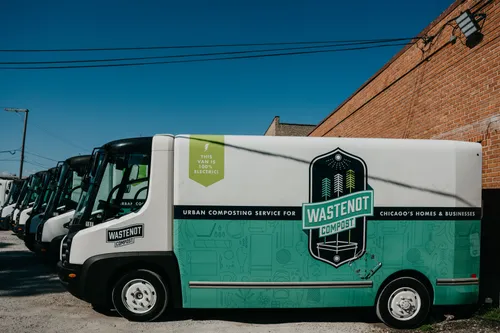
WasteNot Compost
Chicago, IL
WasteNot Compost provides food waste and composting services for homes, businesses, and events in Chicago, IL. Their service uses 100% electric vehicles to collect compostable waste, offering scheduled pickups with clean, sanitized receptacles. Members can also access a shop for compostable and sustainable products with zero emissions delivery. WasteNot Compost has been serving the community since at least 2015, focusing on reducing landfill waste and greenhouse gas emissions through convenient composting solutions.
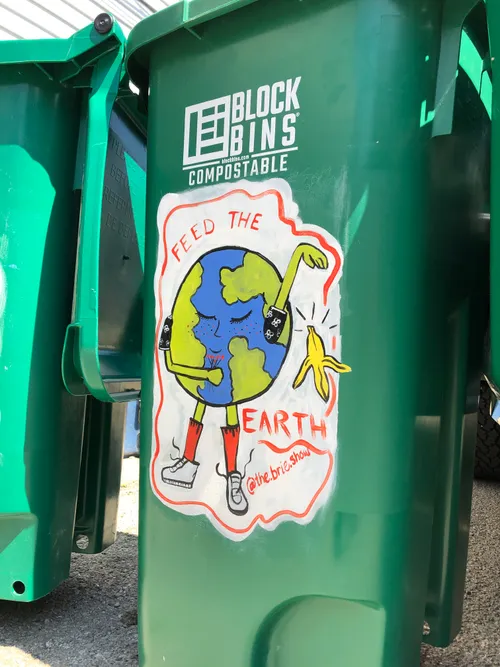
Block Bins
Aurora, IL
Block Bins provides food waste composting and recycling services for restaurants, homes, schools, and events in Aurora, IL. They offer locked shared bins to reduce contamination and clutter, with regular pickups and power washing to maintain cleanliness. Subscribers pay for a set volume of compost space, making it a flexible and community-friendly option. Block Bins has been serving customers for over five years and supports sustainable waste diversion through dedicated-stream recycling bins.
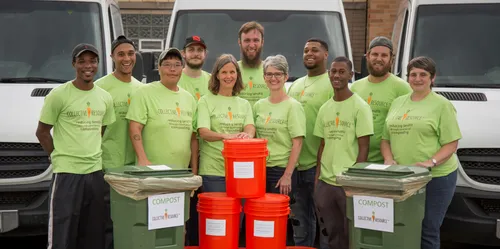
Collective Resource Compost Cooperative
Evanston, IL
Collective Resource Compost Cooperative provides food waste composting services for restaurants and households in Evanston, IL. They offer customized container-swap programs with flexible options ranging from small 5-gallon buckets to large 32-gallon totes, supporting communal composting in multi-unit buildings and neighborhoods. The cooperative emphasizes easy composting with expert guidance and manages various waste streams, including food scraps and certified compostable products. They have exclusive franchise agreements in several municipalities and serve a broad area within Chicagoland. With over a decade of experience, Collective Resource promotes sustainable waste reduction and soil regeneration through community-focused composting programs.
Understanding SB 1383: The State Mandate for Organics Diversion
The driving force behind commercial food waste recycling in Palatine is California's SB 1383, which Illinois has adopted as a model for its own regulations. This law targets a significant reduction in landfill-disposed organic waste to cut methane emissions, a potent greenhouse gas. For Palatine restaurant owners, this translates into a legal obligation to separate food scraps, soiled paper, and other compostable materials from the general trash stream.
Key requirements for businesses include:
- Mandatory Participation: All food-generating businesses are required to comply. While there may be exemptions for entities generating minimal waste or those without adequate space, these require formal documentation and are not automatic 1.
- Proper Collection: Businesses must subscribe to a commercial organics collection service or self-manage the waste through an alternative compliance method, such as on-site composting.
- Source Separation: Staff must be trained to separate acceptable organic materials from contaminants like plastic, glass, and metal at the point of disposal.
Finding a Commercial Organics Hauler in Palatine
Since municipal services are geared toward residents, Palatine restaurants will need to contract with private waste management companies that offer commercial organics programs. These providers supply the necessary infrastructure and regular pickups to ensure compliance.
Primary Service Providers: Major national waste management firms like Waste Management and Republic Services operate in the Chicago suburbs and offer tailored commercial food waste recycling programs. It is advisable to contact multiple providers to request quotes and service details. When evaluating haulers, inquire specifically about their experience with SB 1383 compliance, the types of containers they provide, pickup schedules, and their fee structure, including any potential contamination fines.
Setting Up Your Kitchen: Containers and Acceptable Materials
A successful organics diversion program starts with the right setup inside your restaurant. Proper containers and clear guidelines are essential to prevent contamination, which can lead to rejected loads and extra fees from your hauler.
Container Types: Haulers typically provide large, wheeled carts (64-96 gallons) or dumpsters for outdoor collection, often in green or blue to distinguish them from trash and recycling. For indoor kitchen collection, use small, lidded bins lined with compostable bags. It is critical that no conventional plastic bags are used, as they are a major contaminant in the composting process.
What Goes In the Organics Bin:
- Food Scraps: All food waste, including meat, bones, dairy, fruits, vegetables, and bread.
- Soiled Paper: Napkins, paper towels, uncoated paper plates, and pizza boxes (free of wax lining).
- Compostable Serviceware: Items certified compostable, such as certain cups, utensils, and containers.
What Stays Out (Contaminants):
- Plastics: Any plastic bags, wrappers, bottles, or film.
- Styrofoam and other foam packaging.
- Glass, metal, and aluminum foil.
- Liquids and cooking oils (unless managed through a separate grease collection program).
Find the perfect composting & food waste companies for your needs
Get personalized recommendations and expert advice
Operational Logistics: Pickup Schedules and Staff Training
The frequency of pickup for your food waste will depend on your restaurant's volume and your contract with the hauler. Most establishments require weekly or bi-weekly service for organics, which is often more frequent than standard trash pickup due to odor and pest concerns. Coordinating the pickup schedule with your kitchen's busiest prep and cleanup times is crucial for maintaining a clean and efficient back-of-house area.
Perhaps the most critical component is comprehensive staff training. Every team member, from dishwashers to chefs, must understand what materials go into each stream. Use clear, multilingual signage above bins and conduct regular refresher trainings. A well-trained team is your best defense against contamination fines and ensures your sustainability efforts are effective.
Cost Considerations for Food Waste Recycling
Implementing a commercial organics program involves a new line item in your operational budget. Costs are not fixed and can vary widely based on several factors.
Typical cost structure includes:
- Monthly Subscription Fee: This covers the rental of the collection cart or dumpster and the scheduled pickup service. Estimates for a standard cart service can range from $50 to $150 or more per month, with dumpster service costing significantly more 2 3.
- Variable Factors: The final price is influenced by the size of the container, the frequency of pickup, and your location within Palatine.
- Potential Fines: Haulers may impose additional fees if a load is contaminated with prohibited materials, as it can disrupt their composting facilities. Preventing contamination is key to cost control.
The Broader Impact: Beyond Compliance
While state mandate compliance is the immediate driver, participating in food waste recycling offers Palatine restaurants additional benefits. Diverting organics can reduce the volume of general trash, potentially allowing for less frequent trash pickups and lowering associated disposal costs. Furthermore, it demonstrates a commitment to environmental stewardship, which resonates positively with a growing segment of eco-conscious customers. The compost created from your food scraps is used to enrich soil, closing the loop and contributing to local agricultural and landscaping projects 4.
Frequently asked questions
Sources
Footnotes
-
Food Waste Recycling | Los Angeles County Sanitation Districts - https://www.lacsd.org/services/solid-waste-programs/food-waste-recycling ↩
-
FAQ • Are there any exemptions to SB 1383? - Diamond Bar - https://www.diamondbarca.gov/Faq.aspx?QID=332 ↩
-
YOUR 2025 TRASH COLLECTION SCHEDULE - GFL Environmental - https://gflenv.com/wp-content/uploads/2025/01/2025-Glasford.pdf ↩
-
Composting | US EPA - https://www.epa.gov/sustainable-management-food/composting ↩