Find the Best Composting & Food Waste Companies for Your Business
No obligation • Fast responses • Nationwide coverage

Why you can trust Restaurant Waste Disposal
Restaurant Waste Disposal is a leading U.S. resource for comparing restaurant composting, food-waste recycling, grease trap cleaning, and used cooking oil collection services. Our editorial team researches providers, checks credentials, and organizes unbiased information so operators can make informed decisions. Companies cannot pay to change ratings or placement.
Search providers near you
Top Composting & Food Waste Companies in Oak Lawn, Illinois Ranked
For restaurants and food service businesses in Oak Lawn, managing organic waste is no longer just a disposal issue-it's a core component of operational efficiency and environmental responsibility. Implementing a robust food scrap recycling program can significantly reduce landfill waste, lower disposal costs, and demonstrate a commitment to sustainability that resonates with the community. The Village of Oak Lawn has partnered with a dedicated provider to streamline commercial organics diversion, offering a tailored pathway for local eateries to transform waste into a resource. This guide details the local framework, best practices, and steps to establish an effective food waste management system for your business.
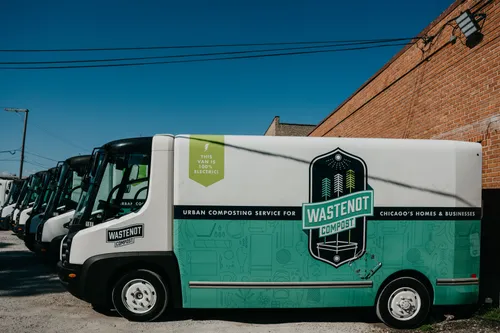
WasteNot Compost
Chicago, IL
WasteNot Compost provides food waste and composting services for homes, businesses, and events in Chicago, IL. Their service uses 100% electric vehicles to collect compostable waste, offering scheduled pickups with clean, sanitized receptacles. Members can also access a shop for compostable and sustainable products with zero emissions delivery. WasteNot Compost has been serving the community since at least 2015, focusing on reducing landfill waste and greenhouse gas emissions through convenient composting solutions.
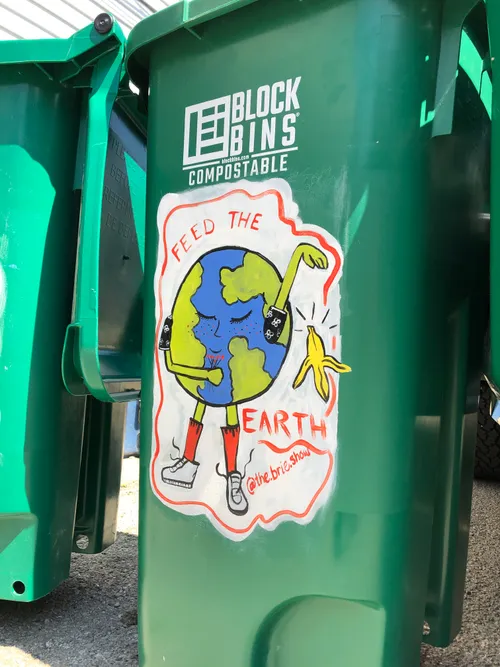
Block Bins
Aurora, IL
Block Bins provides food waste composting and recycling services for restaurants, homes, schools, and events in Aurora, IL. They offer locked shared bins to reduce contamination and clutter, with regular pickups and power washing to maintain cleanliness. Subscribers pay for a set volume of compost space, making it a flexible and community-friendly option. Block Bins has been serving customers for over five years and supports sustainable waste diversion through dedicated-stream recycling bins.
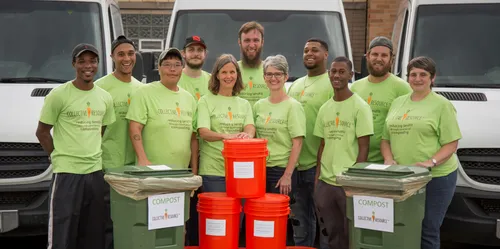
Collective Resource Compost Cooperative
Evanston, IL
Collective Resource Compost Cooperative provides food waste composting services for restaurants and households in Evanston, IL. They offer customized container-swap programs with flexible options ranging from small 5-gallon buckets to large 32-gallon totes, supporting communal composting in multi-unit buildings and neighborhoods. The cooperative emphasizes easy composting with expert guidance and manages various waste streams, including food scraps and certified compostable products. They have exclusive franchise agreements in several municipalities and serve a broad area within Chicagoland. With over a decade of experience, Collective Resource promotes sustainable waste reduction and soil regeneration through community-focused composting programs.
Understanding Oak Lawn's Commercial Organics Program
Oak Lawn has established a structured program to assist businesses, including all restaurants, schools, and organizations, in diverting food waste from landfills. The Village has designated WasteNot Compost as the exclusive provider for this service. This partnership simplifies the process for local establishments, providing a single point of contact and a consistent set of guidelines for participation. The program is designed to be flexible, recognizing that a busy diner and a large banquet hall will have vastly different waste volumes and collection needs.
The foundation of the program is source separation-keeping food scraps and compostable paper products separate from trash and recycling at the point of disposal. This practice is crucial for maintaining the quality of the collected material and ensuring the end product, nutrient-rich compost, is viable for agricultural and landscaping use. By participating, Oak Lawn restaurants directly contribute to a circular economy, where local food waste nourishes local soil.
Getting Started with WasteNot Compost
Initiating service is a straightforward process managed through the Village's official channels. To begin, restaurant owners or managers must complete the commercial inquiry form available on the Village of Oak Lawn website. This form collects essential information about your business, including estimated waste volume and current disposal practices, which allows WasteNot Compost to prepare a customized proposal.
After submitting the inquiry, you will receive a follow-up with a specific quote and service agreement. The cost for commercial food waste collection is not a flat rate; it is customized based on your establishment's specific needs, including the volume of organic waste generated and the required frequency of pickups. This tailored approach ensures you only pay for the service level you require, allowing for scalability as your business or sustainability efforts grow.
Container Requirements and Setup
A key operational detail for restaurants is container management. Unlike residential services, Oak Lawn's commercial program typically requires businesses to use their own containers. WasteNot Compost provides specific guidelines upon sign-up, mandating the use of approved, non-porous, and rigid containers that are leak-proof and easy to clean. Common examples include standard rubberized or plastic bins with tight-fitting lids.
It is the restaurant's responsibility to ensure these containers are used correctly by staff for food scraps only. Proper placement in food preparation and dishwashing areas is critical for successful source separation. Using clearly labeled bins helps prevent contamination and educates employees on the new workflow, integrating organics recycling seamlessly into daily back-of-house operations.
Find the perfect composting & food waste companies for your needs
Get personalized recommendations and expert advice
Critical Guidelines: Preventing Contamination
The success of any composting program hinges on keeping unwanted materials out of the food waste stream. Contamination with non-compostable items can compromise an entire batch of material, leading to increased processing costs and potential service issues. For Oak Lawn restaurants, adhering to strict contamination guidelines is a condition of service and essential for maintaining cost-effectiveness 1.
What CAN be included:
- Food scraps (fruit and vegetable peels, meat, bones, dairy, bread, grains)
- Coffee grounds and filters
- Tea bags (staples removed)
- Food-soiled paper products (napkins, paper towels, uncoated paper plates)
- Compostable serviceware certified to break down in commercial facilities
What MUST be excluded:
- Plastics of any kind, including bags, wrappers, and utensils (unless certified compostable)
- Glass bottles or jars
- Metal cans, foil, or utensils
- Liquids like cooking oils or soups (these require separate grease trap or used oil recycling)
- Non-organic waste such as rubber, Styrofoam, or chemicals
Regular training for kitchen and service staff is the most effective tool for contamination prevention. Clear signage and ongoing communication about what goes in the compost bin will protect the integrity of your program.
The Benefits of Professional Food Waste Diversion
Partnering with a service like WasteNot Compost offers tangible advantages beyond regulatory compliance. First, it can lead to significant waste hauling cost savings. By diverting heavy, wet organic matter from your standard trash dumpster, you may be able to reduce the size of your garbage container or decrease pickup frequency, directly lowering your monthly bills.
Furthermore, the environmental impact is substantial. Food waste in landfills decomposes anaerobically (without oxygen), producing methane, a potent greenhouse gas. Diverting this material to composting converts it into a stable, beneficial product that sequesters carbon and improves soil health. For a restaurant, this is a powerful story to share with environmentally conscious customers, enhancing your brand's reputation and aligning with broader community sustainability goals, such as those outlined in state materials management frameworks 2.
Operational Integration for Restaurants
Implementing a new waste stream requires thoughtful integration into your daily routine. Start with a waste audit to identify where and what kind of organic waste is generated-from prep stations and the line to dish pits and dining areas. Place collection bins accordingly. For instance, a small countertop bin in the prep area for vegetable trimmings and a larger bin near the dishwashing station for plate scrapings.
Engage your team from the start. Explain the "why" behind the program-its environmental and potential financial benefits. Assign a sustainability champion among your staff to monitor bins, answer questions, and ensure compliance. WasteNot Compost's use of an electric fleet for collections further reduces the program's carbon footprint, a detail that can reinforce your team's commitment to the process.
Navigating Related Waste Streams: Grease and Cooking Oil
While a composting service handles solid food waste, restaurants must also manage liquid fats, oils, and grease (FOG). These materials are not suitable for composting bins and require separate handling to prevent plumbing disasters and environmental harm. Proper grease trap maintenance and used cooking oil (UCO) collection are non-negotiable aspects of restaurant operations.
Many providers that offer food waste collection may also provide or can recommend services for grease trap cleaning and UCO recycling. Used cooking oil is a valuable commodity that can be converted into biodiesel. Establishing a relationship with a reliable provider for these services ensures comprehensive waste management, keeps your kitchen compliant with local sewer ordinances, and can even provide a small revenue stream or credit for your recycled oil.
Frequently asked questions
Sources
Footnotes
-
WasteNot Composting Service - Oak Lawn - https://www.oaklawn-il.gov/residents/wastenot_composting_service.php ↩
-
Compostable Waste Collections - https://epa.illinois.gov/topics/waste-management/materials-management/composting/compostable-waste-collections.html ↩