Find the Best Composting & Food Waste Companies for Your Business
No obligation • Fast responses • Nationwide coverage

Why you can trust Restaurant Waste Disposal
Restaurant Waste Disposal is a leading U.S. resource for comparing restaurant composting, food-waste recycling, grease trap cleaning, and used cooking oil collection services. Our editorial team researches providers, checks credentials, and organizes unbiased information so operators can make informed decisions. Companies cannot pay to change ratings or placement.
Search providers near you
Top Composting & Food Waste Companies in Lombard, Illinois Ranked
For restaurants and food service businesses in Lombard, managing organic waste is a critical operational and environmental consideration. While the village offers a yard waste program for residents, commercial food waste diversion requires partnering with licensed private haulers who can provide specialized collection services for organic materials. Navigating the options for food scrap recycling and composting can help Lombard businesses reduce landfill contributions, potentially lower waste disposal costs, and meet growing consumer expectations for sustainability. This guide outlines the key providers, container requirements, and best practices for establishing a successful organics diversion program.
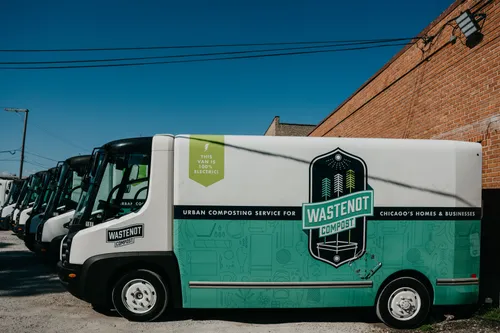
WasteNot Compost
Chicago, IL
WasteNot Compost provides food waste and composting services for homes, businesses, and events in Chicago, IL. Their service uses 100% electric vehicles to collect compostable waste, offering scheduled pickups with clean, sanitized receptacles. Members can also access a shop for compostable and sustainable products with zero emissions delivery. WasteNot Compost has been serving the community since at least 2015, focusing on reducing landfill waste and greenhouse gas emissions through convenient composting solutions.
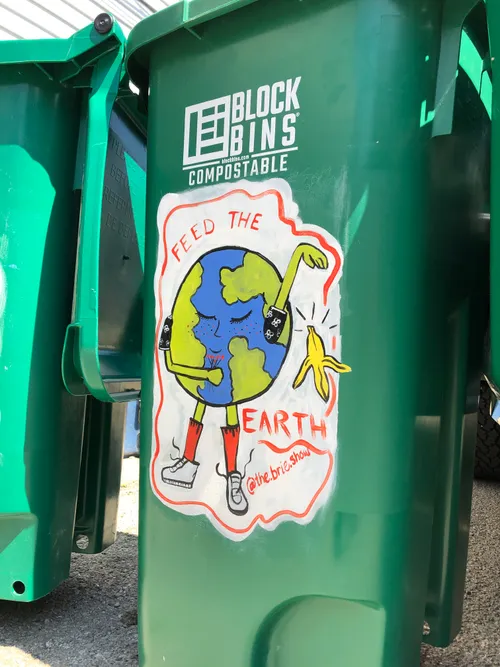
Block Bins
Aurora, IL
Block Bins provides food waste composting and recycling services for restaurants, homes, schools, and events in Aurora, IL. They offer locked shared bins to reduce contamination and clutter, with regular pickups and power washing to maintain cleanliness. Subscribers pay for a set volume of compost space, making it a flexible and community-friendly option. Block Bins has been serving customers for over five years and supports sustainable waste diversion through dedicated-stream recycling bins.
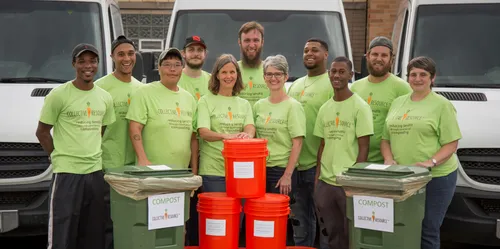
Collective Resource Compost Cooperative
Evanston, IL
Collective Resource Compost Cooperative provides food waste composting services for restaurants and households in Evanston, IL. They offer customized container-swap programs with flexible options ranging from small 5-gallon buckets to large 32-gallon totes, supporting communal composting in multi-unit buildings and neighborhoods. The cooperative emphasizes easy composting with expert guidance and manages various waste streams, including food scraps and certified compostable products. They have exclusive franchise agreements in several municipalities and serve a broad area within Chicagoland. With over a decade of experience, Collective Resource promotes sustainable waste reduction and soil regeneration through community-focused composting programs.
Understanding Commercial Organics Collection in Lombard
Unlike residential yard waste, which can be set out with a village-issued sticker, commercial food waste collection is handled entirely by private waste management companies licensed to operate in Illinois. This means restaurants, cafes, and other food generators must contract directly with a service provider. The Illinois Environmental Protection Agency (IEPA) regulates the collection and processing of compostable materials, setting guidelines for what can be accepted to ensure the quality of the finished compost product. For businesses, this system offers flexibility to tailor service-such as pickup frequency and container size-to their specific waste volume, but it also requires proactive research and contracting.
Key Service Providers for Food Scrap Recycling
Several national and regional waste haulers are licensed to provide commercial organics collection services in DuPage County. Initiating service typically involves contacting these providers directly for a waste assessment and quote.
- Waste Management (WM): As a major licensed provider in the area, WM offers commercial food waste and composting services to Lombard businesses. They can supply various container sizes and work with establishments to set up a collection schedule.
- Other Licensed Haulers: It is advisable to check with other providers operating in the region, such as Republic Services or Groot Industries, to compare service offerings and pricing. Ensuring your hauler is licensed for "non-typical recyclables" or composting is essential for proper handling.
- Direct Composting Facilities: Some businesses with very high volumes may explore direct hauling agreements with permitted composting facilities, though this is less common for individual restaurants.
Setting Up Your Service: Containers and Schedules
A successful organics program starts with the right infrastructure. Haulers will work with you to determine the appropriate setup based on your kitchen's output and space constraints.
Container Types and Sizing: Commercial operations typically use wheeled carts or dumpsters much larger than residential bins. Common sizes start at 1-cubic-yard containers and can scale up to large dumpsters for high-volume producers 1. Containers often feature locking lids to prevent pests, contain odors, and avoid contamination from wind or rain. Your hauler will supply and maintain these specialized bins.
Collection Frequency: Pickup schedules are flexible and based on need. A busy restaurant may require weekly or even multiple-times-per-week service, while a smaller cafe might manage with bi-weekly or monthly collection 2. The key is to choose a frequency that prevents overflow and odor issues while being cost-effective. Regular communication with your hauler allows you to adjust the schedule as your business or season changes.
Find the perfect composting & food waste companies for your needs
Get personalized recommendations and expert advice
What Can and Cannot Go in Your Compost Bin
Contamination is the primary challenge for commercial composting. Placing the wrong item in the bin can spoil an entire load, leading to rejected pickups or additional fees 3. Adhering strictly to your hauler's guidelines is crucial.
Accepted Materials (Always confirm with your specific hauler):
- Food Scraps: Fruit and vegetable peels, coffee grounds and filters, tea bags (staples removed), eggshells, bread, and grains.
- Pre- and Post-Consumer Waste: Kitchen prep trimmings and unconsumed food from customer plates.
- Compostable Serviceware: Only if explicitly accepted by your hauler. Some programs may take certified compostable plates, cups, and utensils.
- Soiled Paper: Uncoated paper napkins, pizza boxes (free of wax coating), and paper towels that are not contaminated with chemicals.
Strictly Prohibited Contaminants:
- Plastic Bags: Even bags labeled "compostable" or "biodegradable" are often not accepted in municipal composting streams unless a facility specifically designs its process for them.
- Liquids: Oils, grease, and beverages.
- Traditional Trash: Glass, metal, styrofoam, plastic wrap, and rubber bands.
- Biodegradable Plastics: These do not break down quickly enough in a composting environment and are considered contaminants 4.
Cost Considerations for Food Waste Diversion
Investing in organics recycling involves service fees, but it can also offset costs from your regular trash service. Pricing is not standardized and is highly variable based on several factors 5 6.
- Service Agreement Variables: Your monthly cost will depend on the volume of waste (container size), the frequency of collection, and the length of your contract.
- Comparative Costs: While specific commercial rates are proprietary, organics collection often involves specialized handling and transportation to a processing facility, which can make it more expensive than standard trash pickup on a per-service basis. However, by diverting heavy, wet food waste from your trash dumpster, you may be able to reduce the size or pickup frequency of your garbage service, leading to net savings.
- Potential for Incentives: Some waste contracts offer bundled pricing for recycling, trash, and organics. It's worth discussing all your waste streams with potential providers to find the most economical overall package.
Best Practices for Restaurant Success
- Staff Training and Bin Placement: The most critical step is educating every team member. Place clearly labeled collection bins in key prep and dishwashing areas. Use visuals to show what goes where.
- Start Small: If you're new to composting, begin with a pilot program in just the kitchen prep area before expanding to front-of-house waste. This helps staff adapt and allows you to gauge your volume accurately.
- Maintain Clean Bins: Rinse food scraps bins regularly with a mild, eco-friendly solution to control odors and prevent pests. Ensure outdoor containers have tight-fitting, locked lids.
- Audit and Adjust: Periodically check your compost and trash bins for contamination. Use what you find to retrain staff. Review your service volume and frequency with your hauler quarterly to ensure you're not over- or under-paying.
Frequently asked questions
Sources
Footnotes
-
Where we are and where we're headed - https://www.wastetodaymagazine.com/article/equipment-considerations-for-organics-collection/ ↩
-
Compostable Waste Collections - https://epa.illinois.gov/topics/waste-management/materials-management/composting/compostable-waste-collections.html ↩
-
Trash & Recycling Pickup in Lombard, IL | WM - https://www.wm.com/us/en/location/il/lombard/trash-pickup-lombard-il ↩
-
A Summary of Regulatory Requirements for Composting ... - https://epa.illinois.gov/content/dam/soi/en/web/epa/documents/waste-management/composting/regulatoryrequirementsforcompostingfacilities.pdf ↩
-
Recycling - https://www.villageoflombard.org/328/Recycling ↩
-
Yard Waste, Brush & Compost - Lombard, IL - https://www.villageoflombard.org/188/Yard-Waste-Brush-Compost ↩