
Find the Best Composting & Food Waste Companies for Your Business
No obligation • Fast responses • Nationwide coverage

Why you can trust Restaurant Waste Disposal
Restaurant Waste Disposal is a leading U.S. resource for comparing restaurant composting, food-waste recycling, grease trap cleaning, and used cooking oil collection services. Our editorial team researches providers, checks credentials, and organizes unbiased information so operators can make informed decisions. Companies cannot pay to change ratings or placement.
Search providers near you
Top Composting & Food Waste Companies in Glenview, Illinois Ranked
For restaurants and food service businesses in Glenview, managing organic waste is no longer just a disposal issue-it's a key component of operational efficiency and environmental responsibility. While the Village of Glenview has made significant strides with residential food scrap programs, the landscape for commercial food waste recycling is evolving, requiring businesses to proactively seek out dedicated services. Understanding the available pathways-from municipal pilot programs to direct contracts with waste haulers-is essential for any kitchen looking to reduce its landfill footprint, potentially lower waste costs, and contribute to a circular local economy. This guide outlines the specific options, guidelines, and steps for Glenview establishments to implement a successful organics diversion program.
The village's recent initiatives signal a growing community focus on sustainability. The "Greener Glenview" pilot program offers a free, convenient drop-off option for all food scraps, providing valuable insights that may shape future municipal contracts for broader services 1. For current commercial needs, however, restaurants typically need to establish a direct relationship with a licensed hauler. This process involves selecting appropriate collection containers, determining a pickup schedule that matches your kitchen's output, and strictly adhering to contamination guidelines to ensure the collected material is truly compostable. Navigating these elements effectively can transform food waste from a liability into a resource.
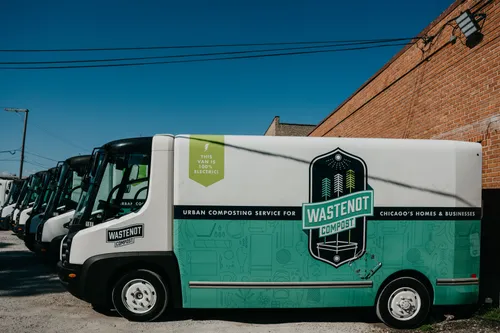
WasteNot Compost
Chicago, IL
WasteNot Compost provides food waste and composting services for homes, businesses, and events in Chicago, IL. Their service uses 100% electric vehicles to collect compostable waste, offering scheduled pickups with clean, sanitized receptacles. Members can also access a shop for compostable and sustainable products with zero emissions delivery. WasteNot Compost has been serving the community since at least 2015, focusing on reducing landfill waste and greenhouse gas emissions through convenient composting solutions.
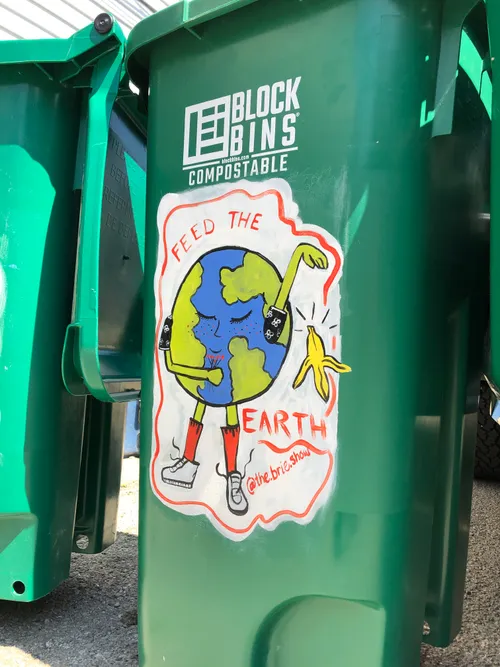
Block Bins
Aurora, IL
Block Bins provides food waste composting and recycling services for restaurants, homes, schools, and events in Aurora, IL. They offer locked shared bins to reduce contamination and clutter, with regular pickups and power washing to maintain cleanliness. Subscribers pay for a set volume of compost space, making it a flexible and community-friendly option. Block Bins has been serving customers for over five years and supports sustainable waste diversion through dedicated-stream recycling bins.
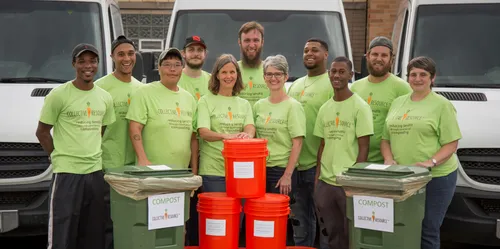
Collective Resource Compost Cooperative
Evanston, IL
Collective Resource Compost Cooperative provides food waste composting services for restaurants and households in Evanston, IL. They offer customized container-swap programs with flexible options ranging from small 5-gallon buckets to large 32-gallon totes, supporting communal composting in multi-unit buildings and neighborhoods. The cooperative emphasizes easy composting with expert guidance and manages various waste streams, including food scraps and certified compostable products. They have exclusive franchise agreements in several municipalities and serve a broad area within Chicagoland. With over a decade of experience, Collective Resource promotes sustainable waste reduction and soil regeneration through community-focused composting programs.
Understanding Glenview's Waste Management Landscape
Glenview provides residential garbage and recycling collection through a contract with Groot Industries, and this framework is the starting point for understanding commercial services2. While the residential side has seen innovation, such as the seasonal curbside yard waste program that can sometimes include food scraps, commercial organics collection operates on a different model. Businesses are responsible for sourcing their own waste management services, which means comparing quotes and service terms from multiple providers. This system offers flexibility but requires due diligence to find a cost-effective and reliable solution tailored to a restaurant's specific volume and frequency needs.
The "Greener Glenview" drop-off pilot is a critical development to watch. It accepts a wide range of materials, including meat, dairy, bones, and produce, which are often challenging for backyard composters. For a restaurant, this program could serve as a temporary or supplemental solution for certain streams of waste, especially for businesses generating smaller volumes or those looking to test their staff's ability to separate organics before committing to a paid hauling service. Participation also registers your business for updates, keeping you informed if the village expands the program to include commercial curbside pickup in the future.
Commercial Food Scrap Collection: How It Works
For most restaurants, diverting food waste will involve a dedicated service from a waste hauler. This is a specialized service separate from standard trash and recycling.
- Finding a Provider: Start by contacting Groot Industries, as they are the village's residential hauler and may offer commercial organics services. It is also advisable to get quotes from other regional providers such as Waste Management (WM) or Lakeshore Recycling Systems (LRS) to compare costs and service levels 3.
- Containers and Logistics: Haulers will typically provide dedicated containers for food scraps. These can range from 32-gallon or 64-gallon wheeled carts for smaller establishments to larger dumpsters for high-volume kitchens4. You will also need to use approved compostable bag liners for these containers to keep them clean and prevent contamination.
- Scheduling Pickups: The frequency of collection is based on your kitchen's output. A busy restaurant may require daily or bi-weekly pickups, while a cafe might only need weekly service. The hauler will help you determine the right schedule to avoid overflow and odor issues.
What Can and Cannot Be Composted
Strict adherence to guidelines is the most critical factor for a successful program. Contamination (non-compostable items mixed in) can result in entire loads being rejected by the composting facility, leading to potential service disruptions or fees.
Accepted Food Scraps (Typically):
- All fruit and vegetable scraps
- Meat, poultry, fish, and bones
- Dairy products (cheese, yogurt)
- Eggshells
- Bread, pasta, rice, and other grains
- Coffee grounds and paper filters
- Tea bags (without staples)
Common Contaminants (Always Avoid):
- Plastic bags (unless they are BPI-certified compostable)
- Produce stickers and twist ties
- Liquids, oils, and grease
- Plastic utensils, wrappers, or packaging
- "Compostable" plastic serviceware unless explicitly accepted by your hauler (facilities vary)
- Paper cups, plates, or juice boxes with plastic linings
The golden rule is: When in doubt, throw it out (in the trash). It is better to send a questionable item to the landfill than to risk contaminating a full bin of otherwise valuable compostable material. Training staff thoroughly and placing clear, simple signage above collection bins is essential for compliance.
Cost Considerations for Restaurants
Pricing for commercial food waste recycling is not standardized and varies significantly based on several factors:
- Volume of Waste: The size and number of containers you need.
- Pickup Frequency: How often the hauler empties your containers.
- Hauler and Location: Market rates and transportation costs.
- Current Trash Costs: Implementing composting may allow you to downsize your regular trash dumpster or reduce pickup frequency, offsetting some of the new cost.
For context, Glenview's residential seasonal yard waste (and potential food scrap) program with Groot costs approximately $171 for the 2025 season5. Commercial rates are different. A small restaurant might see monthly fees ranging from $50 to $150 or more, while a large establishment will require a custom quote6 7. The only way to get an accurate price is to contact haulers directly with an estimate of your weekly food scrap volume.
Find the perfect composting & food waste companies for your needs
Get personalized recommendations and expert advice
Benefits Beyond Disposal
Implementing a food scrap diversion program offers tangible benefits for a restaurant business:
- Potential Cost Savings: By diverting heavy, wet organics from the trash, you may reduce the size or pickup frequency of your general waste service, which can lower overall disposal bills.
- Enhanced Sustainability Profile: Customers increasingly value businesses with demonstrated environmental commitments. Promoting your composting efforts can strengthen your brand.
- Staff Engagement: A clear, purposeful sustainability program can boost team morale and pride.
- Regulatory Preparedness: As environmental regulations evolve, having a system already in place positions your business ahead of potential future mandates.
Getting Started: A Step-by-Step Action Plan
- Conduct a Waste Audit: Spend a week tracking how much food waste your kitchen produces. This data is crucial for requesting accurate quotes from haulers.
- Research and Contact Haulers: Reach out to Groot and other local waste management companies. Ask specific questions about:
- Commercial food scrap service availability.
- Container options and costs.
- Pickup schedules and pricing.
- Their specific list of accepted/contaminated materials.
- Any required compostable bag specifications.
- Register for Greener Glenview: Sign up for the free drop-off pilot program at the village's website. This provides a backup option and keeps you on the list for municipal updates8 9.
- Plan Your Kitchen Workflow: Designate a collection station in the kitchen (prep areas, dish pit) with clearly labeled bins. Order a supply of certified compostable bags.
- Train Your Team: Hold a brief training session for all staff. Explain the "why," show them exactly what goes in the compost bin versus trash or recycling, and post visual guides.
- Launch and Monitor: Start your service, check bins for contamination during the first few weeks, and provide feedback to your team.
Taking these steps systematically can make the transition to food waste recycling smooth and effective, turning an operational necessity into a point of pride for your Glenview restaurant.
Frequently asked questions
Sources
Footnotes
-
Greener Glenview Unveils Free Composting Program - https://www.journal-topics.com/articles/greener-glenview-unveils-free-composting-program/ ↩
-
Garbage & Recycling Collection - Village of Glenview | Illinois - https://www.glenview.il.us/garbage-recycling ↩
-
Residential Food Scrap Composting - https://illinoiscomposts.org/wp-content/uploads/2020/07/Residential_Municipal_Guide_with_Appendices_2019.pdf ↩
-
Compostable Waste Collections - https://epa.illinois.gov/topics/waste-management/materials-management/composting/compostable-waste-collections.html ↩
-
Landscape Waste/Food Composting - https://www.glenview.il.us/composting ↩
-
What is Restaurant Composting? - Benefits & How It Works - https://www.webstaurantstore.com/article/60/restaurant-composting.html ↩
-
Waste Management Business Plan Example & Free Template - https://bizplanr.ai/business-plan-examples/waste-management ↩
-
Greener Glenview launches free drop-off food scrap composting pilot - https://www.glenview.il.us/index.php?section=newsroom&prrid=105 ↩
-
Glenview starts composting, joining Glencoe, Skokie ... - https://www.chicagotribune.com/2025/06/30/glenview-starts-composting-joining-glencoe-skokie-northbrook-evanston-with-programs/ ↩