
Find the Best Composting & Food Waste Companies for Your Business
No obligation • Fast responses • Nationwide coverage

Why you can trust Restaurant Waste Disposal
Restaurant Waste Disposal is a leading U.S. resource for comparing restaurant composting, food-waste recycling, grease trap cleaning, and used cooking oil collection services. Our editorial team researches providers, checks credentials, and organizes unbiased information so operators can make informed decisions. Companies cannot pay to change ratings or placement.
Search providers near you
Top Composting & Food Waste Companies in Elmhurst, Illinois Ranked
For restaurants and food service businesses in Elmhurst, managing organic waste is a critical operational and environmental consideration. While the city offers a voluntary curbside program for residents, commercial establishments like restaurants must navigate a different path, typically partnering with private waste haulers to handle food scraps, compostable materials, and related byproducts. Implementing a robust composting and food waste diversion program can reduce landfill contributions, potentially lower waste hauling costs, and align with growing consumer expectations for sustainable practices. This guide outlines the local landscape, from understanding acceptable materials to connecting with service providers.
Understanding the basic rules for organic material is the first step, as contamination can disrupt the entire composting process. The residential program provides a helpful model for what materials are generally compostable in the local system.
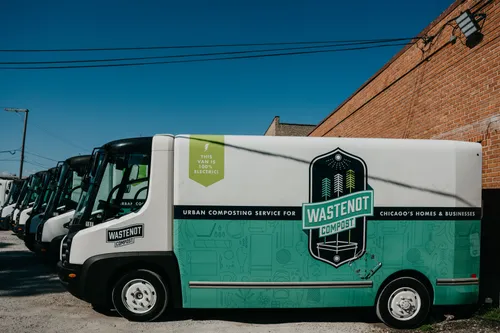
WasteNot Compost
Chicago, IL
WasteNot Compost provides food waste and composting services for homes, businesses, and events in Chicago, IL. Their service uses 100% electric vehicles to collect compostable waste, offering scheduled pickups with clean, sanitized receptacles. Members can also access a shop for compostable and sustainable products with zero emissions delivery. WasteNot Compost has been serving the community since at least 2015, focusing on reducing landfill waste and greenhouse gas emissions through convenient composting solutions.
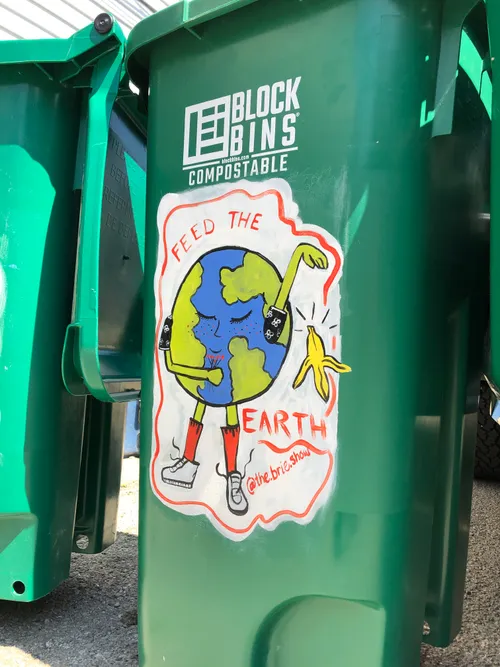
Block Bins
Aurora, IL
Block Bins provides food waste composting and recycling services for restaurants, homes, schools, and events in Aurora, IL. They offer locked shared bins to reduce contamination and clutter, with regular pickups and power washing to maintain cleanliness. Subscribers pay for a set volume of compost space, making it a flexible and community-friendly option. Block Bins has been serving customers for over five years and supports sustainable waste diversion through dedicated-stream recycling bins.
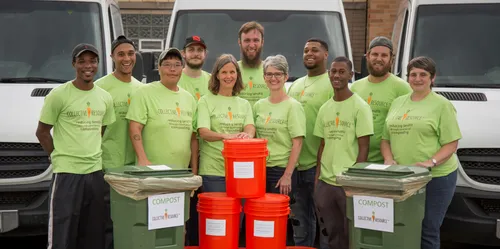
Collective Resource Compost Cooperative
Evanston, IL
Collective Resource Compost Cooperative provides food waste composting services for restaurants and households in Evanston, IL. They offer customized container-swap programs with flexible options ranging from small 5-gallon buckets to large 32-gallon totes, supporting communal composting in multi-unit buildings and neighborhoods. The cooperative emphasizes easy composting with expert guidance and manages various waste streams, including food scraps and certified compostable products. They have exclusive franchise agreements in several municipalities and serve a broad area within Chicagoland. With over a decade of experience, Collective Resource promotes sustainable waste reduction and soil regeneration through community-focused composting programs.
Acceptable and Unacceptable Materials for Composting
Knowing what can and cannot go into a compost stream is essential to avoid contamination, which can lead to rejected loads or additional fees. The guidelines from Elmhurst's residential program offer a clear framework that commercial haulers often mirror.
What You Can Compost:
- Food Scraps: Fruits, vegetables, pasta, bread, and grains.
- Proteins: Meat (without bones) and dairy products (without liquids).
- Other Organics: Eggshells, coffee grounds with filters, and tea bags (staples removed).
- Certified Compostables: Clean, food-soiled paper products like uncoated paper bags.
- Yard Waste: Leaves, grass clippings, and small twigs.
What You Must Exclude:
- Plastics: All types, including "biodegradable" or "compostable" plastics unless explicitly approved by your hauler.
- Liquids: Soups, oils, and dairy liquids.
- Packaging: Any food packaging, labels, rubber bands, or twist ties.
- Other Waste: Paper towels, napkins, cups, utensils, glass, and metal.
For restaurants, maintaining a "clean" stream of food waste is crucial. This means separating food scraps from non-compostable service ware, packaging, and liners. Training staff on these distinctions is a key component of a successful program 1.
Commercial Service Options for Restaurants
Elmhurst's municipal organic waste collection is designed for residents. Consequently, restaurants, cafes, and other food service businesses must seek services from private waste and recycling companies. These providers offer tailored commercial programs.
Finding a Service Provider Several national and regional waste management companies operate in the DuPage County area. Businesses should contact haulers like Republic Services or other local providers to inquire about commercial food waste collection services. It is advisable to get quotes from multiple companies to compare service structures and pricing 2.
Service Structure and Containers Commercial services are highly customizable. A hauler will typically assess your volume of organic waste to recommend:
- Container Type and Size: This could range from locked 32-gallon totes to larger wheeled carts or even dumpsters, depending on your needs.
- Collection Frequency: Pickups can be scheduled daily, weekly, or on another cycle that matches your waste generation.
- Container Placement: Locations are arranged for easy access for both your staff and the hauler's truck.
State Regulations and Compliance Illinois has specific regulations for composting operations. If your hauler sends material to an off-site anaerobic digestion or composting facility, they must follow Illinois Environmental Protection Agency (IEPA) rules. A key commercial requirement is that materials collected for off-site processing should not be mixed with other waste streams after collection. This underscores the importance of proper source separation in your kitchen and prep areas 3.
Find the perfect composting & food waste companies for your needs
Get personalized recommendations and expert advice
Understanding Costs and Potential Savings
For restaurants, the cost of composting services is not a fixed fee but a custom quote based on several variables. Understanding these factors can help you budget and identify potential savings.
Primary Cost Factors:
- Volume and Frequency: The total amount of organic waste you generate and how often it needs to be picked up are the biggest cost drivers.
- Container Size: Renting a larger cart or dumpster may have a different rate than a smaller tote.
- Hauling and Tip Fees: The price includes transportation and the fee charged by the composting or processing facility (the "tip fee").
- Service Area and Provider: Rates can vary between different waste management companies.
While adding a separate service incurs a new cost, it can lead to overall savings. By diverting heavy, wet food scraps from your general garbage dumpster, you may be able to:
- Reduce the size of your garbage container.
- Decrease the frequency of garbage pickups.
- Lower your total waste management expenses, as garbage hauling is often more expensive per volume than organics recycling.
As a point of reference, Elmhurst residents pay a seasonal fee for a 95-gallon organics cart, which was approximately $176 4 5. Commercial rates will differ and require a direct quote.
Implementing a Successful Program In-House
Launching a food waste diversion program requires more than just signing a contract with a hauler. Internal processes need to be established for it to be efficient and sustainable.
Start with a Waste Audit Before calling haulers, spend a week observing your waste. Identify how much food waste you generate, where it comes from (kitchen prep, plate scrapings, expired inventory), and what contaminants are commonly mixed in. This data will make conversations with service providers more productive.
Set Up Simple Collection Stations Place clearly labeled collection bins in key areas:
- Kitchen Prep Areas: For fruit and vegetable peels, trimmings, and other prep waste.
- Dishwashing Station: For acceptable plate scrapings.
- Avoid: Placing compost bins directly at customer-facing tables to prevent contamination.
Use bins with tight-fitting lids and liners that are approved by your hauler (if any liners are allowed). Some providers may require specific compostable bag liners.
Train Your Team Thoroughly Hold training sessions for all staff, from chefs to busers. Use visual guides posted above bins. Explain the why behind the program-its environmental and potential economic benefits-to foster buy-in. Consistent, clear communication is the best tool to prevent contamination.
Monitor and Adjust Check the contents of your compost bins regularly, especially in the first few weeks. Provide gentle correction if non-compostables are found. Be prepared to adjust bin locations or sizes based on actual use patterns. A successful program is an evolving one.
Beyond Basic Composting: Grease and Oil Management
For restaurants, food waste is only one part of the organic waste stream. Used cooking oil (UCO) and grease trap waste are also valuable resources that require proper management, often handled by specialized service providers.
Used Cooking Oil Collection Many companies offer free collection of used fryer oil, which is then recycled into biodiesel or other products. These services typically provide a storage container (a grease barrel or tote) and schedule regular pickups. This not only removes a waste product but can sometimes generate a small rebate or be provided as a free service due to the value of the oil.
Grease Trap Maintenance Regular grease trap pumping is a non-negotiable requirement to prevent sewer blockages and comply with local codes. Specialized grease haulers will pump out the trapped fats, oils, and grease (FOG), which is then processed at dedicated facilities. Never pour grease trap contents into a compost bin or down the drain. Scheduling regular maintenance with a reliable provider is essential for kitchen operation and environmental compliance.
Integrating composting, oil recycling, and grease trap management creates a comprehensive organic waste strategy for your restaurant, turning potential waste streams into resources and demonstrating a commitment to sustainability.
Frequently asked questions
Sources
Footnotes
-
Appendix A: Illinois Municipal Composting Programs - https://sevengenerationsahead.org/wp-content/uploads/2020/10/Residential-Food-Scrap-Composting-Appendix-A-3.pdf ↩
-
CITY OF ELMHURST: Composting service available soon to all ... - https://dupagepolicyjournal.com/city-of-elmhurst-composting-service-available-soon-to-all-residents/ ↩
-
A Summary of Regulatory Requirements for Composting ... - https://epa.illinois.gov/content/dam/soi/en/web/epa/documents/waste-management/composting/regulatoryrequirementsforcompostingfacilities.pdf ↩
-
Garbage, Recycling, Yard Waste & Organic Waste - Elmhurst.org - https://www.elmhurst.org/services/public_works/garbage_recycling_yard_waste___organic_waste/index.php ↩
-
Composting options - Elmhurst Composting Community - https://elmhurstcommunitycomposting.com/composting-options ↩