Find the Best Composting & Food Waste Companies for Your Business
No obligation • Fast responses • Nationwide coverage

Why you can trust Restaurant Waste Disposal
Restaurant Waste Disposal is a leading U.S. resource for comparing restaurant composting, food-waste recycling, grease trap cleaning, and used cooking oil collection services. Our editorial team researches providers, checks credentials, and organizes unbiased information so operators can make informed decisions. Companies cannot pay to change ratings or placement.
Search providers near you
Top Composting & Food Waste Companies in Elgin, Illinois Ranked
For restaurants and food service businesses in Elgin, managing organic waste is a critical operational and environmental consideration. The city offers a structured framework for diverting food scraps and other compostable materials from landfills, primarily through its partnership with Lakeshore Recycling Systems (LRS). While the city's website details a well-established seasonal curbside program for residents, commercial entities have specific pathways to participate in organics recycling. Implementing a food waste diversion program can help your business reduce its environmental footprint, potentially lower waste disposal costs, and meet growing consumer expectations for sustainability. Success hinges on understanding the available services, strict contamination guidelines, and the associated logistics.
WasteNot Compost
Chicago, IL
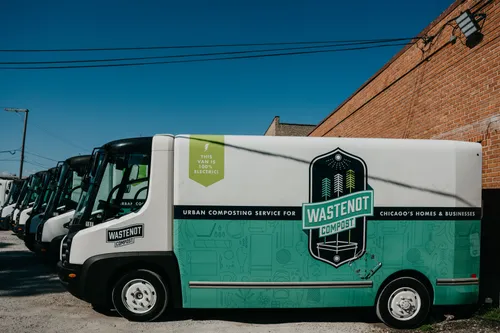
WasteNot Compost provides food waste and composting services for homes, businesses, and events in Chicago, IL. Their service uses 100% electric vehicles to collect compostable waste, offering scheduled pickups with clean, sanitized receptacles. Members can also access a shop for compostable and sustainable products with zero emissions delivery. WasteNot Compost has been serving the community since at least 2015, focusing on reducing landfill waste and greenhouse gas emissions through convenient composting solutions.
Block Bins
Aurora, IL
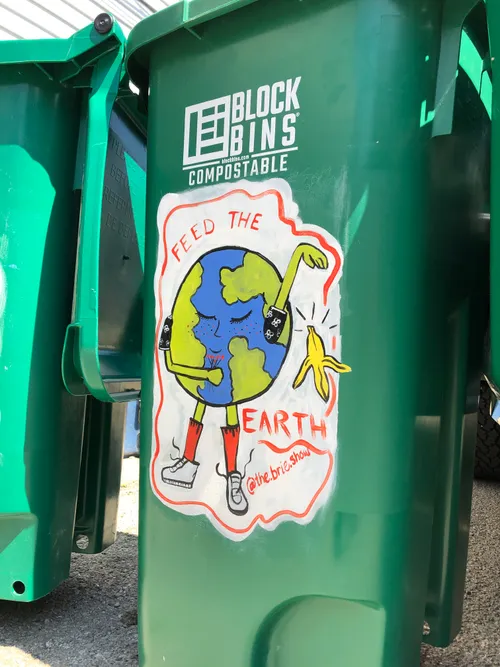
Block Bins provides food waste composting and recycling services for restaurants, homes, schools, and events in Aurora, IL. They offer locked shared bins to reduce contamination and clutter, with regular pickups and power washing to maintain cleanliness. Subscribers pay for a set volume of compost space, making it a flexible and community-friendly option. Block Bins has been serving customers for over five years and supports sustainable waste diversion through dedicated-stream recycling bins.
Collective Resource Compost Cooperative
Evanston, IL
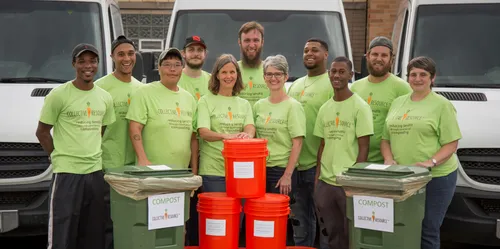
Collective Resource Compost Cooperative provides food waste composting services for restaurants and households in Evanston, IL. They offer customized container-swap programs with flexible options ranging from small 5-gallon buckets to large 32-gallon totes, supporting communal composting in multi-unit buildings and neighborhoods. The cooperative emphasizes easy composting with expert guidance and manages various waste streams, including food scraps and certified compostable products. They have exclusive franchise agreements in several municipalities and serve a broad area within Chicagoland. With over a decade of experience, Collective Resource promotes sustainable waste reduction and soil regeneration through community-focused composting programs.
Understanding Elgin's Organics Recycling Framework
Elgin's approach to organic waste management is a municipal service coordinated with a private hauler. The city contracts with Lakeshore Recycling Systems (LRS) to provide garbage, recycling, and organics collection services. This means that for businesses, LRS is the primary point of contact for setting up commercial food scrap collection. The residential program, which runs seasonally from April through the first full week of December, provides a helpful model 1. Residents are provided with carts for food and yard waste, which are collected on their regular trash day. For commercial clients, the system is more customizable but operates on similar principles of separating organic material from the general waste and recycling streams.
Commercial Food Waste Collection Services
If you operate a restaurant, cafeteria, grocery store, or any business generating significant food waste in Elgin, you will need to engage directly with LRS to establish service. The city's residential-focused resources indicate that commercial organics programs are available but require a direct business-to-provider agreement.
Setting Up Service: Your first step is to contact LRS to discuss your business's specific needs. You can visit the LRS website or call their municipal services line for the Elgin area. During this consultation, you will negotiate the service details, including the type and size of collection containers, pickup frequency (e.g., daily, weekly), and the associated costs.
Container Options: Unlike the standard carts provided to residents, commercial services typically utilize larger, heavy-duty containers. LRS offers various commercial bins, ranging from wheeled totes to large dumpsters, depending on your volume of organic waste. Selecting the right size is crucial for efficiency and cost management.
Cost Structure: Pricing for commercial organics collection is not standardized and varies significantly. Factors influencing the monthly fee include the volume of waste (container size), the frequency of collection, and your location within Elgin 2. You should request a detailed quote from LRS that outlines all charges. For context, the residential monthly fee for a 64-gallon organics cart is approximately $24.95 as part of the overall waste service bundle 3. Commercial fees will differ based on the scale of service.
What Can Be Composted? Strict Contamination Guidelines
Adhering to contamination rules is the most critical aspect of maintaining a successful organics program. Contaminated loads-those containing non-compostable materials-can be rejected by the hauler, leading to service disruptions and potential additional fees 4.
Accepted Materials: The program is designed for food scraps and yard waste. For a restaurant, this typically includes:
- Fruit and vegetable scraps
- Meat, fish, and bones
- Dairy products
- Eggshells
- Bread, pasta, and grains
- Coffee grounds and filters
- Tea bags (staples removed)
- Soiled paper products like napkins, paper towels, and uncoated paper plates
Prohibited Materials: It is essential to keep these items out of the organics bin:
- Plastic bags, wrap, or utensils
- Glass, metal, or aluminum foil
- Styrofoam or other plastics
- Rubber bands or twist ties
- Pet waste or diapers
- Liquids, oils, or grease
- Any non-organic material
Clear signage and staff training are vital to prevent contamination. Using certified compostable bin liners (if accepted by LRS) or a system of collection pails that are washed regularly can help maintain a clean stream.
Benefits of a Restaurant Food Waste Program
Implementing an organics diversion program offers tangible benefits beyond regulatory compliance.
- Potential Cost Savings: While there is a fee for organics collection, diverting heavy, wet food waste from your general trash dumpster can sometimes reduce the frequency or size of garbage pickups needed, potentially offsetting costs.
- Environmental Leadership: Diverting organic waste from landfills reduces methane emissions, a potent greenhouse gas. It also creates nutrient-rich compost that can be used to enrich soil.
- Enhanced Brand Image: Demonstrating a commitment to sustainable practices resonates positively with customers and can be a valuable part of your marketing story.
- Waste Auditing: The process of setting up organics collection often leads businesses to conduct a waste audit, identifying opportunities to reduce waste at the source through better inventory management or portion control.
Find the perfect composting & food waste companies for your needs
Get personalized recommendations and expert advice
Logistics and Operational Integration
Successfully integrating food waste separation into your daily operations requires planning.
Internal Collection: Designate specific, clearly labeled collection containers for organic waste in key areas like the kitchen prep station, dishwashing area, and behind the counter. Ensure these containers are lined appropriately (if using liners) and are easy for staff to access and use.
Storage and Pickup: Your external LRS container should be placed in a convenient location for both your staff and the collection truck. It should be kept clean, with the lid closed to prevent pests and odors. Coordinate the pickup schedule with LRS to ensure the container is never overfull, which can also lead to service issues.
Staff Training and Buy-in: Comprehensive training is essential. Educate every team member on what goes into the organics bin versus the trash or recycling. Make the guidelines visual and easy to understand. Leadership buy-in helps reinforce the importance of the program and ensures consistency.
Alternative and Supplemental Options
While LRS is the city's designated hauler, some businesses explore additional or alternative solutions.
- On-Site Composting: For businesses with sufficient outdoor space, small-scale on-site composting or vermicomposting (using worms) is an option for certain types of food waste. This requires more hands-on management but can eliminate hauling fees for that portion of waste.
- Food Donation: Before composting, consider if any surplus edible food can be donated to local food banks or shelters. This addresses food insecurity and is the highest and best use for surplus food.
- Grease Trap and Used Cooking Oil Services: While separate from food scrap composting, proper management of fats, oils, and grease (FOG) is a related critical service for restaurants. Professional grease trap cleaning and used cooking oil collection are typically handled by specialized providers, not the standard organics hauler.
Navigating Challenges and Ensuring Compliance
The main challenges businesses face are contamination and cost. Proactively address contamination through continuous training and monitoring. Regarding cost, view the quote from LRS as a starting point for negotiation based on your specific service mix (trash, recycling, organics). Ensure you fully understand the contract terms, including fees for extra pickups or contaminated loads.
For official guidelines and the most current residential information, you can always refer to the City of Elgin's Garbage, Organics & Recycling page 5. However, for all commercial inquiries, agreements, and pricing, direct contact with Lakeshore Recycling Systems (LRS) is necessary.
Frequently asked questions
Sources
Footnotes
-
Organics Guidelines | City of Elgin, Illinois - Official Website - https://elginil.gov/2563/Organics-Guidelines ↩
-
Business, Construction & Residential Waste Services | Union | LRS - https://www.lrsrecycles.com/municipality/union/ ↩
-
Program Cost | City of Elgin, Illinois - Official Website - https://elginil.gov/1256/Program-Cost ↩
-
Why Didn't My Trash Get Picked Up? - Angie's List - https://www.angi.com/articles/my-trash-didnt-get-picked-here-are-your-options.htm ↩
-
Garbage, Organics & Recycling | City of Elgin, Illinois - Official Website - https://elginil.gov/111/Garbage-Organics-Recycling ↩