
Find the Best Composting & Food Waste Companies for Your Business
No obligation • Fast responses • Nationwide coverage

Why you can trust Restaurant Waste Disposal
Restaurant Waste Disposal is a leading U.S. resource for comparing restaurant composting, food-waste recycling, grease trap cleaning, and used cooking oil collection services. Our editorial team researches providers, checks credentials, and organizes unbiased information so operators can make informed decisions. Companies cannot pay to change ratings or placement.
Search providers near you
Top Composting & Food Waste Companies in Des Plaines, Illinois Ranked
For restaurants and food service businesses in Des Plaines, managing organic waste is a critical operational and environmental consideration. While the city does not offer a municipal composting program for commercial entities, effective food waste diversion is both achievable and beneficial through private sector partnerships. Implementing a commercial food scrap recycling program can reduce landfill waste, potentially lower overall waste disposal costs, and demonstrate a commitment to sustainability that resonates with customers and staff alike. This guide outlines the practical steps and local options for establishing a successful organic waste management system for your business.
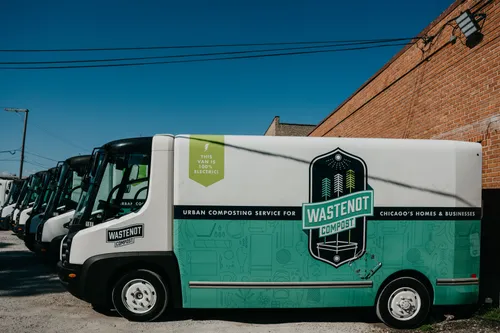
WasteNot Compost
Chicago, IL
WasteNot Compost provides food waste and composting services for homes, businesses, and events in Chicago, IL. Their service uses 100% electric vehicles to collect compostable waste, offering scheduled pickups with clean, sanitized receptacles. Members can also access a shop for compostable and sustainable products with zero emissions delivery. WasteNot Compost has been serving the community since at least 2015, focusing on reducing landfill waste and greenhouse gas emissions through convenient composting solutions.
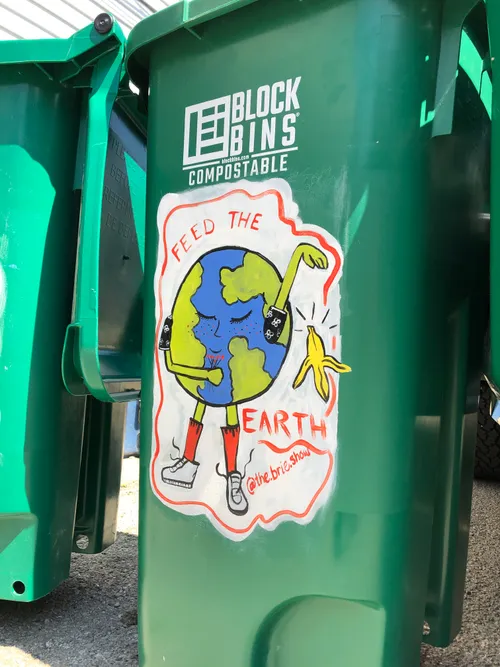
Block Bins
Aurora, IL
Block Bins provides food waste composting and recycling services for restaurants, homes, schools, and events in Aurora, IL. They offer locked shared bins to reduce contamination and clutter, with regular pickups and power washing to maintain cleanliness. Subscribers pay for a set volume of compost space, making it a flexible and community-friendly option. Block Bins has been serving customers for over five years and supports sustainable waste diversion through dedicated-stream recycling bins.
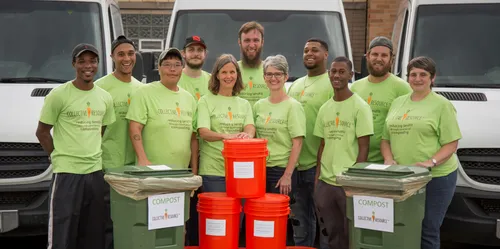
Collective Resource Compost Cooperative
Evanston, IL
Collective Resource Compost Cooperative provides food waste composting services for restaurants and households in Evanston, IL. They offer customized container-swap programs with flexible options ranging from small 5-gallon buckets to large 32-gallon totes, supporting communal composting in multi-unit buildings and neighborhoods. The cooperative emphasizes easy composting with expert guidance and manages various waste streams, including food scraps and certified compostable products. They have exclusive franchise agreements in several municipalities and serve a broad area within Chicagoland. With over a decade of experience, Collective Resource promotes sustainable waste reduction and soil regeneration through community-focused composting programs.
Understanding Commercial Food Waste Recycling
Commercial composting, or industrial organics recycling, involves the large-scale processing of food scraps and other compostable materials into a nutrient-rich soil amendment. For a restaurant, this typically means separating food waste at the source-in the kitchen and prep areas-from the regular trash and recycling streams. The collected material is then hauled by a licensed service provider to a commercial composting facility where it undergoes controlled decomposition. This process diverts significant waste from landfills, where it would generate methane, a potent greenhouse gas 1. For a Des Plaines eatery, engaging in this practice means contracting directly with a private hauler, as this service is not provided by the city.
Primary Option: Private Commercial Haulers
Since Des Plaines lacks a city-run commercial organics program, partnering with a private waste hauler is the standard pathway for restaurants 2. Several regional and national providers service the Des Plaines area and offer commercial food scrap collection.
Key Service Providers: Businesses should contact haulers that operate in the Chicago suburbs, such as Lakeshore Recycling Systems (LRS), Waste Management (WM), and Republic Services. Some smaller, specialized local operators may also be available. It is advisable to obtain quotes and service details from multiple providers to find the best fit for your volume and budget 3.
Service Structure and Logistics:
- Container Types: Haulers typically provide containers ranging from 64-gallon or 96-gallon wheeled carts for lower-volume generators to larger dumpsters (e.g., 2-yard or 4-yard sizes) for busy restaurants. These often come with locking lids to secure the contents.
- Pickup Schedules: Frequency is highly flexible and is negotiated based on your waste generation rate. Pickups can range from daily for high-volume establishments to once or twice a week for smaller operations. An accurate waste audit will help determine the optimal schedule.
- Eligibility: Any commercial entity, including all restaurants, cafes, and catering services in Des Plaines, is eligible to sign up for these services directly with a hauler.
Critical Rules for Contamination
The success of a commercial composting program hinges on keeping the food waste stream clean. Contamination with non-compostable materials can ruin entire loads and may result in rejected pickups or additional fees from your hauler.
What CAN Typically Be Included:
- Fruit and vegetable scraps
- Meat, bones, and seafood
- Dairy products
- Bread, grains, and pasta
- Coffee grounds and filters
- Paper napkins, towels, and uncoated paper plates (check with your hauler)
- BPI-certified compostable serviceware and bags (must be verified with your hauler)
What MUST Be Excluded:
- Plastic bags (unless they are specifically BPI-certified compostable and approved by your hauler)
- Any conventional plastics, including wrappers, utensils, and containers
- Glass, metal, and foil
- Styrofoam
- Liquids, oils, and grease
- Rubber bands and twist ties
Always confirm the specific acceptable materials list with your chosen service provider, as requirements can vary slightly between haulers and composting facilities 4 5.
Assessing Costs and Potential Savings
Pricing for commercial food waste collection is not standardized and is typically negotiated directly with the service provider. Costs are influenced by several factors:
- Container Size: A larger dumpster will generally cost more than a wheeled cart.
- Pickup Frequency: More frequent service leads to higher monthly fees.
- Contract Length: Longer-term contracts may offer more stable or discounted rates.
- Service Bundling: Some haulers offer discounted rates if you bundle organics collection with your existing trash and recycling services.
While there is an added cost for the separate organics service, many businesses find that their overall waste management expenses can be optimized. By diverting heavy, wet food waste from the general trash stream, you may be able to reduce the size or frequency of your garbage dumpster service, potentially offsetting some of the cost of composting 6. It is worth discussing your total waste stream with haulers to explore bundled pricing options.
Find the perfect composting & food waste companies for your needs
Get personalized recommendations and expert advice
Implementing Your Program Successfully
Launching a food waste diversion initiative requires planning and team engagement. Follow these steps to ensure a smooth rollout:
- Conduct a Waste Audit: Before calling haulers, spend a week tracking how much food waste your kitchen generates. This data is crucial for determining the right container size and pickup frequency.
- Solicit and Compare Quotes: Contact at least two or three haulers serving Des Plaines. Provide them with your estimated weekly volume and ask for detailed quotes covering container options, schedules, and all associated fees.
- Invest in Proper Infrastructure: Place clearly labeled collection bins in all key areas: prep stations, the dish pit, and behind the bar. Use liners that meet your hauler's requirements, often either no liner or certified compostable bags.
- Train Your Staff Thoroughly: Comprehensive training is the most important factor for preventing contamination. Hold meetings to explain the why and the how, use clear signage with pictures above bins, and consider appointing a sustainability champion on your team to monitor the program.
- Monitor and Adjust: Check the organics bin regularly for contamination, especially in the first few weeks. Provide feedback to your team and adjust bin placements or training as needed.
Alternative and Supplemental Options
For restaurants generating smaller volumes of food scraps, or for those looking to supplement a hauler service for certain materials, other avenues exist, though they are limited for commercial use.
- Community Drop-Off Programs: Some nearby communities or farmers markets may offer food scrap drop-off sites. However, these are almost always designed for residential use and have volume limits, making them unsuitable for the total output of a restaurant 7.
- On-Site Composting: For establishments with significant outdoor space and dedicated staff time, small-scale on-site composting is a theoretical option. However, it requires careful management to avoid odors and pests and is generally not practical for most restaurant operations in an urban setting.
- Food Donation: Prioritize diverting edible surplus food before it becomes waste. Partner with local food banks or shelters. This is a fantastic way to reduce waste and support the community.
For the most current and official information regarding waste services in Des Plaines, always refer to the City of Des Plaines website or contact haulers directly, as service offerings and local regulations can change.
Frequently asked questions
Sources
Footnotes
-
Commercial Composting: Industrial Methods Explained - https://www.goodstartpackaging.com/commercial-composting/ ↩
-
Business, Construction & Residential Waste Services | Wauconda | LRS - https://www.lrsrecycles.com/location/service/il/60084/residential/wauconda/ ↩
-
Chicago launches citywide composting program - Waste Today - https://www.wastetodaymagazine.com/news/chicago-launches-citywide-composting-program/ ↩
-
Composting - USDA - https://www.usda.gov/about-usda/general-information/initiatives-and-highlighted-programs/peoples-garden/food-access-food-waste/composting ↩
-
Garbage Fee FAQ - City of Chicago - https://www.chicago.gov/city/en/depts/fin/supp_info/garbage-fee-faq.html ↩
-
Business food scraps requirement - https://www.portland.gov/bps/garbage-recycling/business-garbage-policies/food-scraps-requirement ↩
-
Pages - Kane County Recycles - Food Scrap - https://www.kanecountyil.gov/Recycling/Pages/foodScrap.aspx ↩