Find the Best Composting & Food Waste Companies for Your Business
No obligation • Fast responses • Nationwide coverage

Why you can trust Restaurant Waste Disposal
Restaurant Waste Disposal is a leading U.S. resource for comparing restaurant composting, food-waste recycling, grease trap cleaning, and used cooking oil collection services. Our editorial team researches providers, checks credentials, and organizes unbiased information so operators can make informed decisions. Companies cannot pay to change ratings or placement.
Search providers near you
Top Composting & Food Waste Companies in Cicero, Illinois Ranked
For restaurants in Cicero, managing food scraps and organic waste is a critical operational and environmental consideration. While the town itself does not operate a universal municipal food waste collection program for businesses, effective organic recycling is entirely achievable through private service providers. Navigating this process involves understanding local guidelines, selecting the right hauler, and implementing strict contamination protocols to ensure your food waste is successfully diverted from landfills and transformed into valuable compost. This guide will help Cicero restaurant owners understand the landscape of commercial organics recycling, from eligibility and containers to costs and best practices.
WasteNot Compost
Chicago, IL
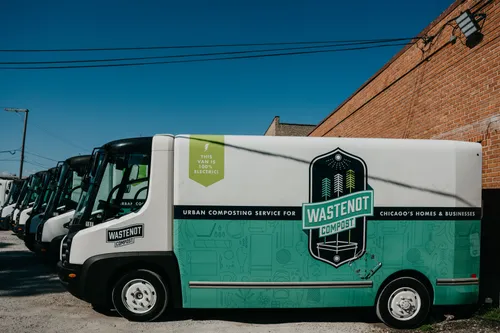
WasteNot Compost provides food waste and composting services for homes, businesses, and events in Chicago, IL. Their service uses 100% electric vehicles to collect compostable waste, offering scheduled pickups with clean, sanitized receptacles. Members can also access a shop for compostable and sustainable products with zero emissions delivery. WasteNot Compost has been serving the community since at least 2015, focusing on reducing landfill waste and greenhouse gas emissions through convenient composting solutions.
Block Bins
Aurora, IL
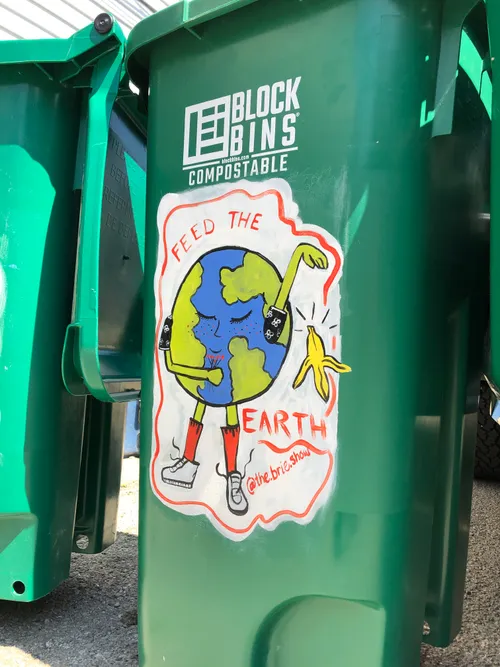
Block Bins provides food waste composting and recycling services for restaurants, homes, schools, and events in Aurora, IL. They offer locked shared bins to reduce contamination and clutter, with regular pickups and power washing to maintain cleanliness. Subscribers pay for a set volume of compost space, making it a flexible and community-friendly option. Block Bins has been serving customers for over five years and supports sustainable waste diversion through dedicated-stream recycling bins.
Collective Resource Compost Cooperative
Evanston, IL
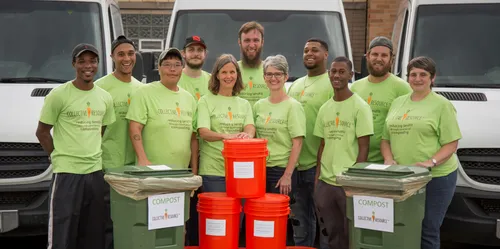
Collective Resource Compost Cooperative provides food waste composting services for restaurants and households in Evanston, IL. They offer customized container-swap programs with flexible options ranging from small 5-gallon buckets to large 32-gallon totes, supporting communal composting in multi-unit buildings and neighborhoods. The cooperative emphasizes easy composting with expert guidance and manages various waste streams, including food scraps and certified compostable products. They have exclusive franchise agreements in several municipalities and serve a broad area within Chicagoland. With over a decade of experience, Collective Resource promotes sustainable waste reduction and soil regeneration through community-focused composting programs.
Understanding Your Options: Private Haulers Are Key
Unlike some larger metropolitan areas, Cicero does not currently advertise a city-run composting program tailored for commercial entities like restaurants. This means the responsibility for diverting food waste falls on individual businesses to contract with private waste and recycling companies. The most common path is to work with your existing garbage hauler, such as Waste Management (WM), to add an organics collection service to your contract. Alternatively, you can seek out specialized organic recyclers or food waste diversion companies that operate in Cook County. These providers focus exclusively on collecting and processing organic material, often offering tailored programs and educational support for kitchen staff.
Aligning with Cook County's Solid Waste Goals
Even without a direct municipal program, it's beneficial to align your restaurant's practices with the broader Cook County Solid Waste Management Plan. This plan outlines regional goals for waste diversion and recycling, including organics. By participating in a private food scrap recycling program, your business contributes directly to these county-wide sustainability objectives. Checking with county resources can also reveal any local incentives, grants, or technical assistance programs that might be available to businesses starting a composting initiative.
Setting Up Your Restaurant's Food Waste Program
Once you decide to pursue organic waste recycling, the setup process is straightforward but requires attention to detail.
Eligibility and Enrollment All restaurants and commercial food service establishments in Cicero are eligible to enroll in a private organics collection service. The specific requirements and available services will vary by hauler. The first step is to contact providers-starting with your current waste company-to discuss adding food waste pickup. They will guide you through the sign-up process, which typically involves a waste audit to determine your volume and needs.
Choosing the Right Containers Container types are provided by your hauler and are sized to match your waste generation. Common setups include:
- Small Collection Pails (5-10 gallon): Placed in food prep areas and at dish stations for easy collection of scraps during kitchen work. These are often lined with certified compostable bags.
- Outdoor Carts or Dumpsters: Larger containers (e.g., 20-96 gallon carts or 2-8 yard dumpsters) are used for bulk collection. Your hauler will empty these on a scheduled basis.
It's crucial to use only hauler-approved liners and bins, as non-compliant containers can lead to service issues.
Establishing a Pickup Schedule Pickup frequency is highly customizable and is arranged directly with your private hauler. Schedules can range from daily for high-volume establishments to weekly or bi-weekly for smaller operations. The schedule is set based on your estimated food waste volume, kitchen size, and menu type to prevent overflow and odor.
Find the perfect composting & food waste companies for your needs
Get personalized recommendations and expert advice
The Critical Rules: Preventing Contamination
The single most important factor for a successful food waste recycling program is preventing contamination. Contaminated loads can be rejected and sent to the landfill, undermining your efforts and potentially incurring fees. Clear communication and training for every staff member is essential.
What CAN Go In (Typically):
- Fruit and vegetable scraps (peels, cores, rinds)
- Meat, fish, and bones (verify with your hauler)
- Dairy products
- Bread, grains, and pasta
- Coffee grounds and paper filters
- Tea bags (without staples)
- Eggshells and nutshells
- Food-soiled paper towels, napkins, and uncoated paper
What MUST Stay Out (Always):
- Plastic bags (unless they are certified compostable and approved by your hauler)
- Glass, metal, and aluminum foil
- Styrofoam and plastic wrap
- Rubber bands, twist ties, and utensils
- Sanitary products, diapers, or pet waste
- Cooking oils and liquids (these require separate grease trap or used oil recycling) 1
Always obtain and follow your specific hauler's contamination guidelines, as acceptable materials can vary slightly between processors.
Analyzing Participation Costs
Investing in food waste diversion does come with a cost, but it can also lead to savings on standard garbage disposal. Pricing is not standardized and varies widely based on several factors.
What Influences the Price?
- Volume and Frequency: The size of your collection container and how often it is emptied are primary cost drivers.
- Hauler Rates: Different private companies have different rate structures.
- Service Area: Location within Cicero can affect pricing.
- Contamination Fees: Some haulers may charge fees for contaminated loads that require extra handling.
Generally, you can expect to pay a monthly or per-pickup fee for the organics collection service. This is often in addition to your existing trash and recycling fees, though reducing your landfill-bound garbage can sometimes lower those costs2. The best approach is to get detailed quotes from multiple providers, comparing not just price but also the services, education, and customer support included.
Taking the Next Steps in Cicero
Ready to start diverting your restaurant's food waste? A logical action plan makes the process smooth.
- Contact Your Current Hauler: Reach out to your waste service provider (e.g., Waste Management) to inquire about adding organics collection. They can provide a quote and specifics for your location3.
- Research Specialized Providers: Look for regional organic recycling companies that service Cook County. These specialists can sometimes offer more tailored programs.
- Review Official Guidelines: Consult the Cook County waste diversion resources for best practices and check for any applicable local business incentives4.
- Train Your Team: Once you enroll, work with your hauler to get clear guidelines and train all kitchen and front-of-house staff on the new sorting procedures. Clear signage is a must.
Implementing a food scrap recycling program demonstrates environmental leadership, can improve your bottom line by reducing trash costs, and aligns with growing consumer preference for sustainable businesses. By partnering with the right private hauler and committing to clean sorting, Cicero restaurants can effectively turn waste into a resource.
Frequently asked questions
Sources
Footnotes
-
Composting - USDA - https://www.usda.gov/about-usda/general-information/initiatives-and-highlighted-programs/peoples-garden/food-access-food-waste/composting ↩
-
What is Restaurant Composting? - Benefits & How It Works - https://www.webstaurantstore.com/article/60/restaurant-composting.html ↩
-
Trash, Garbage and Recycling Services in Cicero, Illinois - WM - https://www.wm.com/us/en/location/il/cicero ↩
-
Waste Diversion and Recycling - Cook County - https://www.cookcountyil.gov/service/waste-diversion-and-recycling ↩