Find the Best Composting & Food Waste Companies for Your Business
No obligation • Fast responses • Nationwide coverage

Why you can trust Restaurant Waste Disposal
Restaurant Waste Disposal is a leading U.S. resource for comparing restaurant composting, food-waste recycling, grease trap cleaning, and used cooking oil collection services. Our editorial team researches providers, checks credentials, and organizes unbiased information so operators can make informed decisions. Companies cannot pay to change ratings or placement.
Search providers near you
Top Composting & Food Waste Companies in Buffalo Grove, Illinois Ranked
For restaurants and food service businesses in Buffalo Grove, managing organic waste is a critical operational and environmental consideration. The village supports organic recycling through a structured program, primarily serviced by Waste Management (WM), which provides a framework that commercial establishments can adapt. While residential guidelines are clearly defined, commercial operations have the opportunity to implement similar sustainable practices by contracting for dedicated organics collection. This approach not only diverts significant waste from landfills but can also align with growing consumer expectations for eco-conscious businesses. Understanding the local system, from acceptable materials to container requirements, is the first step toward building a more sustainable and compliant food waste strategy for your operation.
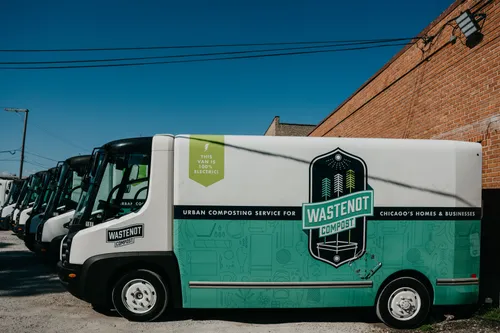
WasteNot Compost
Chicago, IL
WasteNot Compost provides food waste and composting services for homes, businesses, and events in Chicago, IL. Their service uses 100% electric vehicles to collect compostable waste, offering scheduled pickups with clean, sanitized receptacles. Members can also access a shop for compostable and sustainable products with zero emissions delivery. WasteNot Compost has been serving the community since at least 2015, focusing on reducing landfill waste and greenhouse gas emissions through convenient composting solutions.
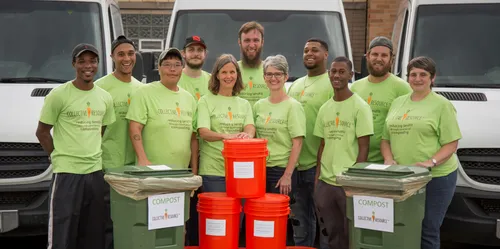
Collective Resource Compost Cooperative
Evanston, IL
Collective Resource Compost Cooperative provides food waste composting services for restaurants and households in Evanston, IL. They offer customized container-swap programs with flexible options ranging from small 5-gallon buckets to large 32-gallon totes, supporting communal composting in multi-unit buildings and neighborhoods. The cooperative emphasizes easy composting with expert guidance and manages various waste streams, including food scraps and certified compostable products. They have exclusive franchise agreements in several municipalities and serve a broad area within Chicagoland. With over a decade of experience, Collective Resource promotes sustainable waste reduction and soil regeneration through community-focused composting programs.
Understanding Buffalo Grove's Organics Recycling Framework
The foundation of organic waste management in Buffalo Grove is a mixed program that combines food scraps with yard waste for composting. This system, managed by Waste Management (WM), sets the standard for what materials are processed locally. For restaurants, this framework is essential knowledge, as commercial services will follow the same fundamental processing rules and contamination standards. The village's initiative highlights a community-wide effort to reduce landfill use, and businesses that participate contribute directly to this local sustainability goal. By aligning with the established program, restaurants ensure their organic waste is turned into a useful compost product rather than treated as trash.
Acceptable Materials for Commercial Organics Collection
Knowing what can and cannot go into the organics stream is paramount to a successful program. Contamination is a primary reason for service disruptions, so strict adherence to these lists is crucial.
What You Can Compost:
- Food Scraps: All food waste is typically acceptable, including fruit and vegetable peels, meat, bones, seafood, dairy products, eggs, and plate scrapings.
- Food-Soiled Paper: Paper products that have come into contact with food, such as uncoated paper napkins, towels, pizza boxes, and paper egg cartons, are compostable.
- Coffee Grounds & Filters: Both used coffee grounds and paper filters can be added to your organics collection.
- Baked Goods & Leftovers: Stale bread, spoiled pasta, and other prepared food items are acceptable.
Critical Contaminants to Avoid:
- Liquids & Grease: Soups, oils, grease, and other liquids must be kept out. These can disrupt the composting process.
- Plastic & Packaging: This includes plastic bags, wrappers, containers, and utensils-even those labeled "biodegradable" or "compostable" unless specifically certified for the local facility.
- Non-Paper Serviceware: Styrofoam, plastic-coated paper, and other non-compostable service items are contaminants.
- Other Waste: Glass, metal, rubber, and pet waste should never be placed in the organics cart.
For restaurants, this means implementing clear kitchen sorting procedures, training staff thoroughly, and using appropriate collection bins lined with paper or without bags to prevent contamination from the start.
Setting Up Commercial Food Waste Recycling
Transitioning to organics recycling requires coordination with your waste hauler. In Buffalo Grove, Waste Management (WM) is the primary provider, and most businesses will establish service through them.
Service Eligibility and Contracts: Commercial organics collection is not automatic; it is a service you must arrange. If your restaurant already uses WM for trash and recycling, you should contact them to add organics pickup to your service agreement. Businesses are responsible for the costs associated with this additional service, which are determined by factors like collection frequency and container size.
Container Solutions for Restaurants: Restaurants will need dedicated containers for organic waste. Based on the residential model, which uses rigid carts with special organics labels, commercial operations will likely require larger wheeled carts or even dumpsters, depending on the volume of food waste generated. Your hauler will provide the appropriate containers as part of your service contract. It is essential to have these containers clearly labeled to avoid misuse by staff or customers.
Collection Schedules and Logistics: Pickup frequency is tailored to your business's needs. A high-volume restaurant may require weekly or even multiple pickups per week, while a smaller café might manage with bi-weekly service. Coordinating the pickup schedule with your kitchen's prep and clean-up cycles will help maintain cleanliness and odor control.
Find the perfect composting & food waste companies for your needs
Get personalized recommendations and expert advice
The Impact of Contamination and How to Prevent It
Contamination is the single biggest challenge in food waste recycling. A single plastic bag or a bucket of grease can lead to an entire load being rejected at the composting facility, resulting in wasted effort and potential extra fees for your business.
Proactive Prevention Strategies:
- Staff Training and Buy-in: Conduct comprehensive training sessions for all kitchen and service staff. Use visual aids posted above collection bins that show exactly what goes where.
- Bin Placement and Design: Place clearly labeled organics bins in key areas like prep stations, dish pits, and behind the line. Use bins with different colors or shapes than trash cans to avoid confusion.
- Pre-Sorting at Source: Encourage scraping plates into organics bins before washing. Consider using pulpers or dehydrators on-site to reduce volume and weight before collection.
- Regular Audits: Periodically check the contents of your organics container before pickup to identify and correct recurring contamination issues.
Cost Considerations for Restaurant Food Waste Programs
Implementing a commercial organics program involves an investment. Costs are highly variable and depend on your specific operation 1.
Primary Cost Factors:
- Service Fees: You will pay a monthly fee to your hauler (like Waste Management) for the collection and processing of organic material. This fee is often influenced by the size and number of containers and the pickup frequency.
- Container Rental: There may be a separate rental fee for the dedicated organics carts or dumpsters.
- Potential Savings: In some cases, adding organics recycling can reduce the volume of your general trash, potentially allowing you to downsize your trash service or reduce pickup frequency, offsetting some of the new cost.
- Contamination Fees: Haulers or processors may impose fees if loads are consistently contaminated, adding an avoidable expense.
To get accurate pricing, you must contact your waste service provider directly for a quote based on your restaurant's specific needs and waste audit.
Beyond Carts: Additional Sustainable Practices for Restaurants
While curbside organics collection is a cornerstone, other strategies can enhance your sustainability profile and potentially reduce costs further.
Source Reduction: The most effective method is to create less waste in the first place. Analyze food purchasing, improve inventory management, and adjust portion sizes to minimize prep scraps and spoilage. Creative menu planning that utilizes food trimmings can also turn potential waste into value.
Food Donation: Partner with local food banks or shelters to donate unserved, safe-to-eat food. Organizations like the Northern Illinois Food Bank can provide guidance on safe donation practices, offering a social benefit while reducing waste.
On-Site Solutions: For businesses with the space and interest, small-scale on-site composting or vermicomposting (using worms) can handle a portion of fruit and vegetable scraps, producing compost for a garden or landscaping.
Getting Started with Your Program
Taking the first step is straightforward. Begin by reviewing your current waste hauling contract or bill to see what services you already have. Then, contact Waste Management's commercial services department to inquire about adding organics recycling. Ask specific questions about container options, pickup schedules, pricing tiers, and their contamination policy. Finally, develop an internal rollout plan that includes staff training, bin procurement, and a communication strategy to ensure a smooth transition to a more sustainable operation.
Frequently asked questions
Sources
Footnotes
-
FAQs • How can I dispose of food scraps? - Buffalo Grove - https://www.vbg.org/FAQ.aspx?QID=223 ↩