Find the Best Composting & Food Waste Companies for Your Business
No obligation • Fast responses • Nationwide coverage

Why you can trust Restaurant Waste Disposal
Restaurant Waste Disposal is a leading U.S. resource for comparing restaurant composting, food-waste recycling, grease trap cleaning, and used cooking oil collection services. Our editorial team researches providers, checks credentials, and organizes unbiased information so operators can make informed decisions. Companies cannot pay to change ratings or placement.
Search providers near you
Top Composting & Food Waste Companies in Bolingbrook, Illinois Ranked
For restaurant owners and commercial kitchen operators in Bolingbrook, managing food scraps and organic waste is a critical operational and environmental consideration. While the village provides robust residential waste collection, commercial food waste diversion requires partnering with specialized private haulers. Implementing a food scrap recycling program can significantly reduce landfill contributions, potentially lower overall waste management costs, and align with growing consumer expectations for sustainable business practices. This guide outlines the pathways and key details for establishing a successful commercial composting system in the Bolingbrook area.
WasteNot Compost
Chicago, IL
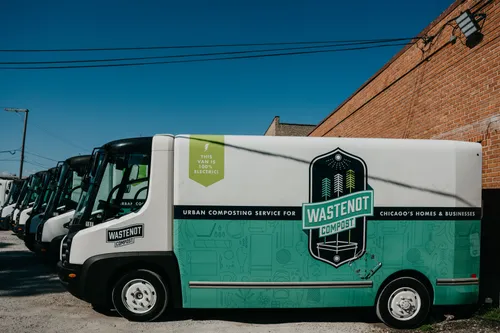
WasteNot Compost provides food waste and composting services for homes, businesses, and events in Chicago, IL. Their service uses 100% electric vehicles to collect compostable waste, offering scheduled pickups with clean, sanitized receptacles. Members can also access a shop for compostable and sustainable products with zero emissions delivery. WasteNot Compost has been serving the community since at least 2015, focusing on reducing landfill waste and greenhouse gas emissions through convenient composting solutions.
Block Bins
Aurora, IL
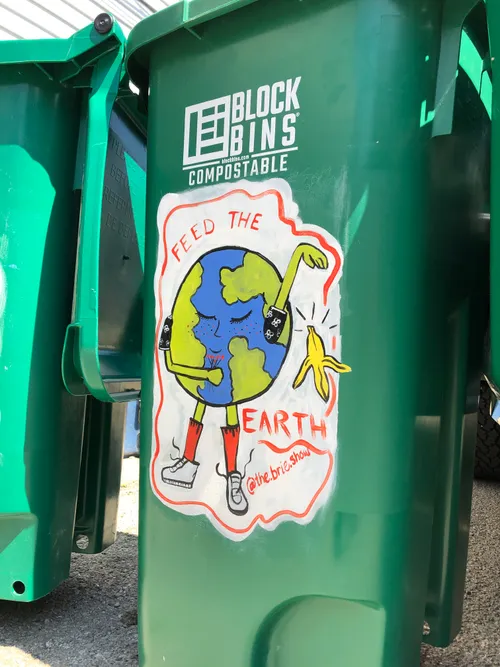
Block Bins provides food waste composting and recycling services for restaurants, homes, schools, and events in Aurora, IL. They offer locked shared bins to reduce contamination and clutter, with regular pickups and power washing to maintain cleanliness. Subscribers pay for a set volume of compost space, making it a flexible and community-friendly option. Block Bins has been serving customers for over five years and supports sustainable waste diversion through dedicated-stream recycling bins.
Collective Resource Compost Cooperative
Evanston, IL
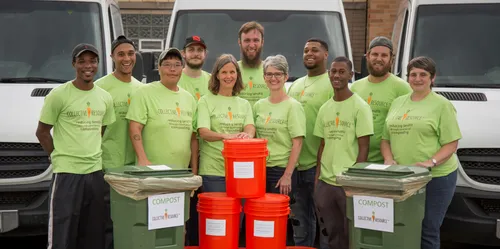
Collective Resource Compost Cooperative provides food waste composting services for restaurants and households in Evanston, IL. They offer customized container-swap programs with flexible options ranging from small 5-gallon buckets to large 32-gallon totes, supporting communal composting in multi-unit buildings and neighborhoods. The cooperative emphasizes easy composting with expert guidance and manages various waste streams, including food scraps and certified compostable products. They have exclusive franchise agreements in several municipalities and serve a broad area within Chicagoland. With over a decade of experience, Collective Resource promotes sustainable waste reduction and soil regeneration through community-focused composting programs.
Understanding Waste Services in Bolingbrook
Bolingbrook's municipal waste collection, managed by Flood Brothers Disposal, focuses primarily on residential refuse, recycling, and yard waste. For residents, this includes options for rented carts and specific guidelines for yard waste disposal, such as using 32-gallon bags or approved containers during the seasonal collection period 1. However, this municipal framework does not extend to curbside food scrap collection for businesses. Restaurants, cafeterias, and other food service establishments must therefore seek out commercial organic waste recycling services. This separation means that initiating a food waste diversion program is a proactive, independent business decision, not a service automatically provided by the village.
Finding a Commercial Food Waste Hauler
The first step is to identify a service provider that offers commercial organics collection in the Chicago suburbs. A logical starting point is to contact Flood Brothers Disposal directly, as they are the village's contracted provider and may offer commercial composting services or can provide a referral to a partner that does. Beyond this, a targeted search for providers is essential. Look for companies using terms like "commercial food waste collection Bolingbrook IL," "restaurant composting services Naperville," or "organic waste hauling for businesses in Will County." National waste management firms like Waste Management and Republic Services often have commercial organics programs, and there are also regional specialists dedicated solely to composting and organic recycling.
When evaluating potential haulers, it's crucial to gather specific information to ensure a good fit for your operation.
Key Service Details to Confirm
- Eligibility & Service Area: Confirm the hauler services your exact business address and routinely works with restaurants or food service establishments.
- Container Types: Determine what containers are provided. Common options include 64-gallon or 96-gallon wheeled carts, smaller countertop or back-of-house totes, or larger dumpsters for high-volume locations. Ask if liners or compostable bags are supplied or required.
- Pickup Schedule: Establish a collection frequency that matches your kitchen's output. This could be weekly, bi-weekly, or even more frequent (e.g., multiple times per week) for busy establishments to avoid odor and pest issues.
- Contamination Guidelines: This is the most critical operational rule. Haulers will provide a clear list of what is accepted (e.g., fruit/vegetable scraps, meat, bones, dairy, soiled paper towels, uncoated cardboard) and what is prohibited (e.g., plastics, glass, metal, liquids, Styrofoam, and conventional plastic bags). Proper staff training on these guidelines is essential to avoid rejected loads and potential fees.
The Financials of Food Waste Diversion
Implementing a commercial organics program involves a cost, but it should be viewed as part of your overall waste management strategy. You will typically pay a monthly fee for the collection service, which is often higher on a per-volume basis than standard trash disposal due to the specialized processing required. For a smaller restaurant, initial costs might start in the range of $75 to $150+ per month for a basic cart service, increasing with container size and pickup frequency 2.
However, this cost can be offset. By diverting heavy, wet food scraps from your general trash dumpster, you may be able to reduce the size of your trash container or decrease the frequency of its pickup, leading to savings on your landfill bill. Furthermore, diverting organic waste supports broader sustainability goals, which can be a powerful marketing point and may align with local or corporate environmental targets.
Find the perfect composting & food waste companies for your needs
Get personalized recommendations and expert advice
Building an Effective On-Site Program
Success hinges on seamless integration into your daily workflow. Start with a waste audit to understand the volume and sources of your food scraps. Place clearly labeled collection bins in key prep and dishwashing areas, using liners if allowed by your hauler. Invest in training for all staff-from chefs to dishwashers-emphasizing the "what goes where" to prevent contamination. Many haulers offer educational materials and signage to assist with this. Proper bin maintenance, including regular cleaning, is also vital for kitchen hygiene and preventing odors.
Beyond Curbside: Alternative & Supplemental Options
While a regular hauler is the most straightforward solution for ongoing waste, other options exist. The Illinois Environmental Protection Agency (IEPA) occasionally sponsors one-day collection events for compostable materials, which could be an option for occasional bulk diversion or for businesses generating smaller amounts of waste 3. Additionally, if you have the space, on-site composting for certain pre-consumer scraps (like vegetable peelings) is a possibility, though it requires knowledge, labor, and adherence to local ordinances. For used cooking oil and grease trap waste-other critical streams for restaurants-specialized collection services are available and are often handled separately from food scrap composting.
Navigating Challenges and Ensuring Compliance
Common challenges include initial staff resistance, space constraints for extra containers, and maintaining low contamination rates. Address these by making the system as simple as possible, celebrating participation, and providing continuous feedback. It's also important to understand regulatory drivers. While specific mandates may vary, proper management of food waste is a key component of responsible business operations and environmental stewardship, as highlighted in broader waste management guidelines 4. Keeping detailed records of your diversion efforts can be beneficial for sustainability reporting and demonstrating compliance with any future local ordinances.
Frequently asked questions
Sources
Footnotes
-
Weekly Yard Waste Collection - Rockford, IL - https://www.rockfordil.gov/478/Weekly-Yard-Waste-Collection ↩
-
Refuse Collection - Bolingbrook, IL - https://www.bolingbrook.gov/refusecollection ↩
-
One-Day Collection Events - Illinois Environmental Protection Agency - https://epa.illinois.gov/topics/waste-management/materials-management/composting/compostable-waste-collections/one-day-collection-events.html ↩
-
Workplace Food Waste - https://mywaste.ie/dispose-waste/in-your-workplace/a-summary-guide-to-the-food-waste-regulation/ ↩