Find the Best Composting & Food Waste Companies for Your Business
No obligation • Fast responses • Nationwide coverage

Why you can trust Restaurant Waste Disposal
Restaurant Waste Disposal is a leading U.S. resource for comparing restaurant composting, food-waste recycling, grease trap cleaning, and used cooking oil collection services. Our editorial team researches providers, checks credentials, and organizes unbiased information so operators can make informed decisions. Companies cannot pay to change ratings or placement.
Search providers near you
Top Composting & Food Waste Companies in Berwyn, Illinois Ranked
For restaurants and food service businesses in Berwyn, managing organic waste is no longer just a logistical challenge-it's a core component of sustainable operations and environmental responsibility. The city, through its partnership with SBC Waste Solutions, has established a framework for diverting food scraps from landfills, reflecting a growing commitment to waste reduction in Cook County. While residential seasonal curbside composting is a well-defined program, commercial food waste recycling requires a more tailored approach. Navigating the specifics of container options, pickup schedules, and cost structures is essential for any establishment looking to implement an effective organics diversion program that meets both operational needs and compliance standards.
Understanding the distinction between residential and commercial services is the first critical step. The guidelines and containers designed for households don't directly apply to the volume and pace of a commercial kitchen.
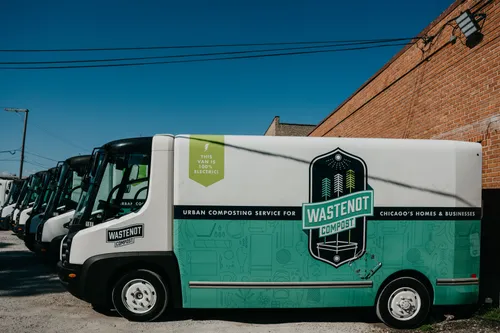
WasteNot Compost
Chicago, IL
WasteNot Compost provides food waste and composting services for homes, businesses, and events in Chicago, IL. Their service uses 100% electric vehicles to collect compostable waste, offering scheduled pickups with clean, sanitized receptacles. Members can also access a shop for compostable and sustainable products with zero emissions delivery. WasteNot Compost has been serving the community since at least 2015, focusing on reducing landfill waste and greenhouse gas emissions through convenient composting solutions.
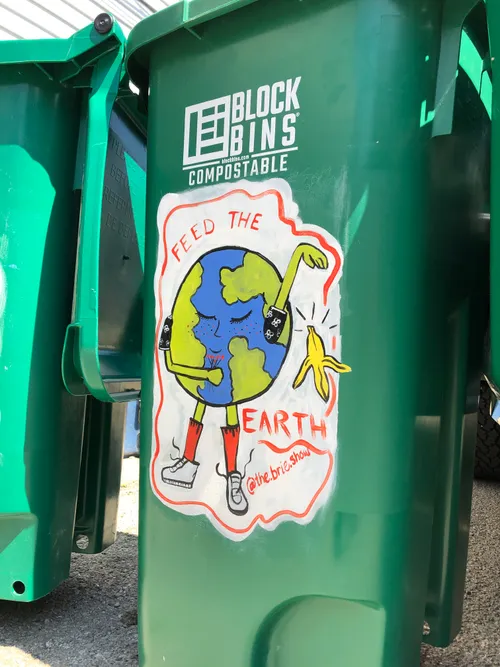
Block Bins
Aurora, IL
Block Bins provides food waste composting and recycling services for restaurants, homes, schools, and events in Aurora, IL. They offer locked shared bins to reduce contamination and clutter, with regular pickups and power washing to maintain cleanliness. Subscribers pay for a set volume of compost space, making it a flexible and community-friendly option. Block Bins has been serving customers for over five years and supports sustainable waste diversion through dedicated-stream recycling bins.
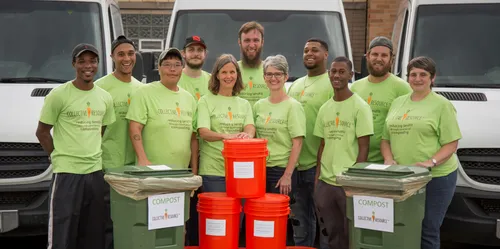
Collective Resource Compost Cooperative
Evanston, IL
Collective Resource Compost Cooperative provides food waste composting services for restaurants and households in Evanston, IL. They offer customized container-swap programs with flexible options ranging from small 5-gallon buckets to large 32-gallon totes, supporting communal composting in multi-unit buildings and neighborhoods. The cooperative emphasizes easy composting with expert guidance and manages various waste streams, including food scraps and certified compostable products. They have exclusive franchise agreements in several municipalities and serve a broad area within Chicagoland. With over a decade of experience, Collective Resource promotes sustainable waste reduction and soil regeneration through community-focused composting programs.
Navigating Commercial Organics Recycling
For restaurants, cafes, bakeries, and other food-generating businesses, enrolling in a food scrap collection service is a proactive business decision. Unlike the city's residential program, commercial food waste recycling is typically arranged through a direct service agreement with a waste hauler. In Berwyn, SBC Waste Solutions is the primary provider managing the city's waste stream, making them the essential first point of contact for businesses 1. This direct relationship allows for a service plan customized to your establishment's specific output, ensuring efficiency and cost-effectiveness.
Container Solutions for High-Volume Operations
A key difference for commercial clients is the scale of collection containers. While residents may use provided 35-gallon totes, restaurants will need to consider larger options to handle their daily output of food prep scraps, spoiled inventory, and post-consumer plate waste.
- Larger Totes: Common commercial sizes include 65-gallon or 95-gallon wheeled carts, similar to standard trash carts but designated for organics.
- Dumpster Service: For high-volume establishments, dedicated dumpsters for organic waste may be the most practical solution. The size and type (e.g., compactors) are determined based on a waste assessment.
- Interior Collection: Implementing smaller, countertop or under-counter collection pails in kitchen and prep areas is a best practice for staff convenience and contamination prevention. These are then emptied into the larger exterior containers.
Securing the right container size and type from the outset helps avoid overflow issues and ensures smooth daily operations for your kitchen staff.
The Critical Role of Contamination Prevention
The success of any commercial composting program hinges on keeping the food scrap stream clean. Contamination-the presence of non-compostable materials-can result in entire loads being rejected, leading to service disruptions and potential fees. For businesses, strict adherence to guidelines is non-negotiable 2.
What belongs in a commercial food waste bin:
- Fruit and vegetable scraps
- Meat, fish, and bones
- Dairy products
- Eggshells
- Coffee grounds and filters
- Loose tea leaves
- Baked goods and pasta
- Non-coated paper products like napkins or unlined paper boat trays (when approved by the hauler)
What must stay out:
- Plastics: This includes bags, utensils, packaging, and cling wrap.
- Liquids: Oils, soups, and beverages.
- Glass and Metals: Bottles, cans, and foil.
- Biodegradable/Compostable Plastics: Unless explicitly accepted by the processing facility, these often do not break down in industrial systems and are considered contaminants.
- Waxed or Coated Paper: Such as milk cartons or certain takeout containers.
Clear signage and ongoing staff training are the most effective tools for maintaining a clean, valuable stream of organic material.
Find the perfect composting & food waste companies for your needs
Get personalized recommendations and expert advice
The Business Case for Food Waste Diversion
Implementing a commercial organics program goes beyond environmental stewardship; it offers tangible business benefits. Diverting food waste can potentially lower overall waste disposal costs by reducing the volume of material in the general trash stream, which is often charged at a higher rate. It also aligns with the values of a growing segment of consumers who prefer to support sustainable businesses. Furthermore, participation demonstrates compliance with broader regional sustainability goals outlined in plans like the Cook County Solid Waste Management Plan, positioning your restaurant as a community leader 3.
Understanding Service Logistics and Costs
Commercial pickup schedules are flexible and based on your contract. Frequency can range from once a week to daily service, depending on your establishment's needs, storage capacity, and health code requirements. You will work directly with the service provider to establish a schedule that prevents odor or pest issues.
Pricing for commercial food waste collection is not standardized like the residential seasonal fee. It is typically customized based on several factors:
- The size and number of containers serviced.
- The frequency of pickup.
- The volume and weight of material collected.
- The distance to the processing facility.
Given these variables, restaurants must contact providers like SBC Waste Solutions directly for a detailed quote tailored to their specific operation. This consultation will provide clarity on all operational and financial aspects of the service.
Building a Sustainable System in Your Kitchen
Starting a program requires internal planning. Begin by conducting a brief waste audit to estimate how much food waste your kitchen produces daily. Designate a clear, accessible area for the collection containers and educate every team member-from dishwashers to head chefs-on the new procedures. Partnering with your hauler from the start ensures you have the correct tools and knowledge to make the program a seamless part of your daily routine, turning what was once trash into a resource for compost and renewable energy.
Frequently asked questions
Sources
Footnotes
-
Berwyn - SBC Waste Solutions Inc. - https://www.sbcwastesolutions.com/berwyn/ ↩
-
Berwyn Takes a Stand Against Food Waste: The Power of ... - https://www.sbcwastesolutions.com/berwyn-takes-a-stand-against-food-waste/ ↩
-
Cook County Solid Waste Management Plan - https://www.cookcountyil.gov/sites/g/files/ywwepo161/files/documents/2024-07/Solid%20Waste%20Plan_FINAL_7.25.24.pdf ↩