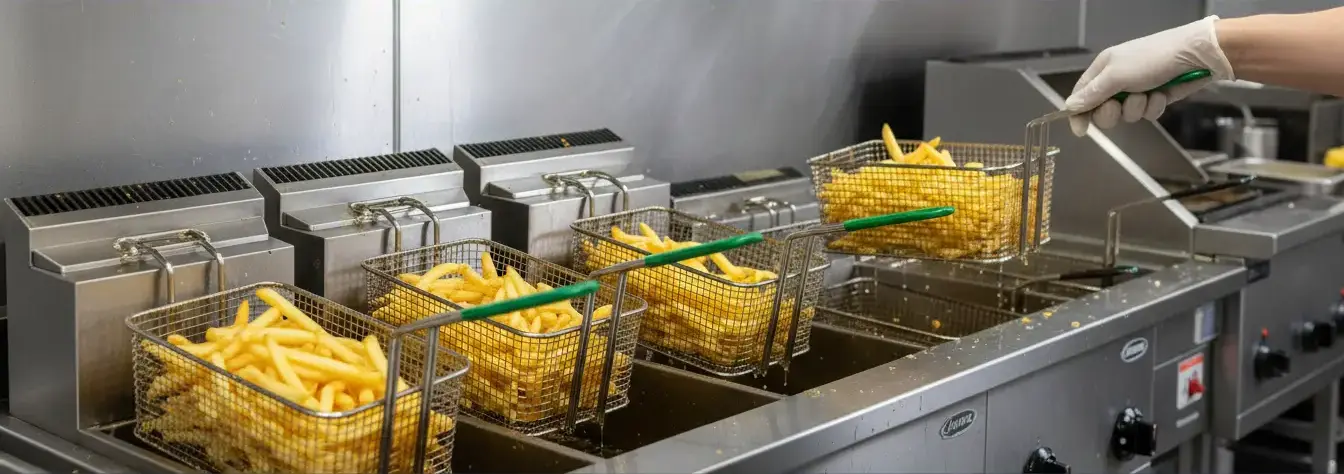
Find the Best Used Cooking Oil Collection Companies for Your Business
No obligation • Fast responses • Nationwide coverage

Why you can trust Restaurant Waste Disposal
Restaurant Waste Disposal is a leading U.S. resource for comparing restaurant composting, food-waste recycling, grease trap cleaning, and used cooking oil collection services. Our editorial team researches providers, checks credentials, and organizes unbiased information so operators can make informed decisions. Companies cannot pay to change ratings or placement.
Search providers near you
Top Used Cooking Oil Collection Companies in Sheboygan, Wisconsin Ranked
For restaurants and food service establishments in Sheboygan, responsible management of used cooking oil (UCO) is both a regulatory requirement and a practical necessity. Proper collection and recycling of this waste stream protect local sewer infrastructure, ensure compliance with state and city codes, and can even transform a waste product into a potential revenue source. This guide outlines the essential steps for UCO management, from mandatory grease control equipment to selecting a collection partner, helping Sheboygan businesses operate sustainably and efficiently.
Understanding Local Regulations and Compliance
In Sheboygan and the surrounding Town of Sheboygan, food service businesses are subject to specific rules designed to prevent fats, oils, and grease (FOG) from entering the municipal sewer system. These regulations are not just recommendations; they are enforceable codes critical for avoiding costly blockages, backups, and environmental harm.
Mandatory Grease Control Equipment
New and existing food service establishments are required to install and maintain approved grease interceptors or oil/water separators. These devices capture FOG before wastewater leaves your facility, safeguarding the public sewer lines. Compliance with Wisconsin State Administrative Code SPS 382, as well as local ordinances, is mandatory 1. Regular inspections and maintenance of this equipment are essential to avoid violations and fines.
Proper Storage of Used Fryer Oil
Once oil is used, it must be stored correctly until pickup. Collection providers typically supply secure storage bins ranging from 40 to over 500 gallons in capacity, which can be placed indoors or outdoors based on your space and volume. These containers often feature locking mechanisms to prevent theft and contamination, ensuring the oil remains a clean, recyclable commodity.
The Collection and Recycling Process
Partnering with a professional used cooking oil collector streamlines waste management, turning a logistical task into a simple, scheduled service. The process is designed for convenience and efficiency.
Scheduling and Pickup Services
Collection companies offer flexible service options to match your kitchen's output. You can arrange regular scheduled pickups (e.g., weekly, bi-weekly, monthly) or opt for a "will call" service, where you request a pickup when your storage bin is full. This is an ideal solution for establishments with lower or variable oil usage. On service day, a specialized truck pumps the oil from your bin directly into its holding tank.
From Waste to Resource: The Recycling Journey
The collected oil doesn't go to a landfill-in fact, landfilling used cooking oil is banned in Wisconsin 2. Instead, it is transported to a processing facility. There, it undergoes filtration to remove food particles and water. The purified oil is then a valuable feedstock for the production of renewable biofuels, such as biodiesel, or can be used in the creation of animal feed and other industrial products 3. This circular process ensures your kitchen waste contributes to sustainable energy solutions.
Evaluating Service Providers and Costs
Choosing the right partner for your grease trap and used cooking oil needs is crucial. Several reputable companies service the Sheboygan and wider Wisconsin area, including Midwest Grease, HSS Grease Services, and Mahoney Environmental 4 5. When evaluating providers, consider their service reliability, area coverage, and the range of solutions they offer, which may include combined grease trap cleaning and UCO collection.
Understanding Pricing and Potential Revenue
The cost structure for used fryer oil collection can vary. Many providers offer free pickup of the oil itself, as its value as a recyclable commodity offsets their collection costs. However, for establishments with very low volume, a small service fee may apply. Conversely, high-volume producers of clean, well-managed UCO can often negotiate rebates or direct payments, effectively turning a waste stream into a source of income 6 7 8 9. It's important to discuss pricing models and potential revenue-sharing opportunities directly with service providers.
Find the perfect used cooking oil collection companies for your needs
Get personalized recommendations and expert advice
Best Practices for Kitchen Management
Optimizing your kitchen's approach to oil management can improve safety, extend oil life, and maximize the value of your recyclable material.
- Regular Filtering: Filter cooking oil frequently during use to remove food particulates. This extends the oil's frying life and results in a higher-quality, more valuable recyclable product.
- Safe Handling and Cooling: Always allow oil to cool completely before transferring it to storage containers to prevent burns and fire hazards. Use designated, sturdy containers for transport within the kitchen.
- Prevent Contamination: Never mix used cooking oil with other liquids like water, soap, or chemicals. Contamination can render the oil unrecyclable and may complicate grease trap function.
- Secure Storage: Keep outdoor collection bins locked and in a well-lit area to prevent unauthorized dumping or theft, which is a growing concern due to the value of UCO.
Environmental and Community Impact
Participating in a formal used cooking oil recycling program extends your restaurant's sustainability efforts beyond the dining room. By diverting this material from landfills and sewers, you directly contribute to cleaner local waterways and reduced strain on Sheboygan's wastewater treatment infrastructure. Furthermore, the transformation of used oil into biofuel supports regional renewable energy initiatives, reducing reliance on fossil fuels and lowering overall carbon emissions 10. It's a tangible way for your business to demonstrate environmental stewardship to the community.
Frequently asked questions
Sources
Footnotes
-
Town of Sheboygan - https://cms5.revize.com/revize/sheboyganwi/TOS%20FOG%20Combined%20Program%20with%20A%20and%20B.pdf ↩
-
Management of hazardous waste in Wisconsin - https://dnr.wisconsin.gov/topic/Waste/Hazardous.html ↩
-
Used Cooking Oil Recycling Company & Grease Trap Services - https://liquidrecover.com/ ↩
-
Midwest Grease - Farmers Union Industries - https://fuillc.com/midwest-grease/ ↩
-
Used Cooking Oil Collection and Recycling Services in Wisconsin - https://www.mahoneyes.com/restaurant-used-cooking-oil-collection-and-recycling-services-in-wisconsin/ ↩
-
Fryer Oil Recycling | Wisconsin | Oshkosh WI | Fond du Lac WI - https://www.hssgreaseservices.com/fryer-oil-recycling-collection ↩
-
Grease Collection Service: What is it - Grand Natural Inc - https://www.grandnaturalinc.com/blog/what-is-grease-collection-service.html ↩
-
Midwest Renewable Biofuels: Cooking Oil Grease Recycling IA - https://www.mrbfuels.com/ ↩
-
Restaurant Used Cooking Oil Recycling & Disposal Guide - https://greaseconnections.com/restaurant-used-cooking-oil-disposal-recycling-revenue-guide/ ↩
-
Used Cooking Oil Disposal & Recycling for Restaurants - https://www.rti-inc.com/cooking-oil-disposal/ ↩