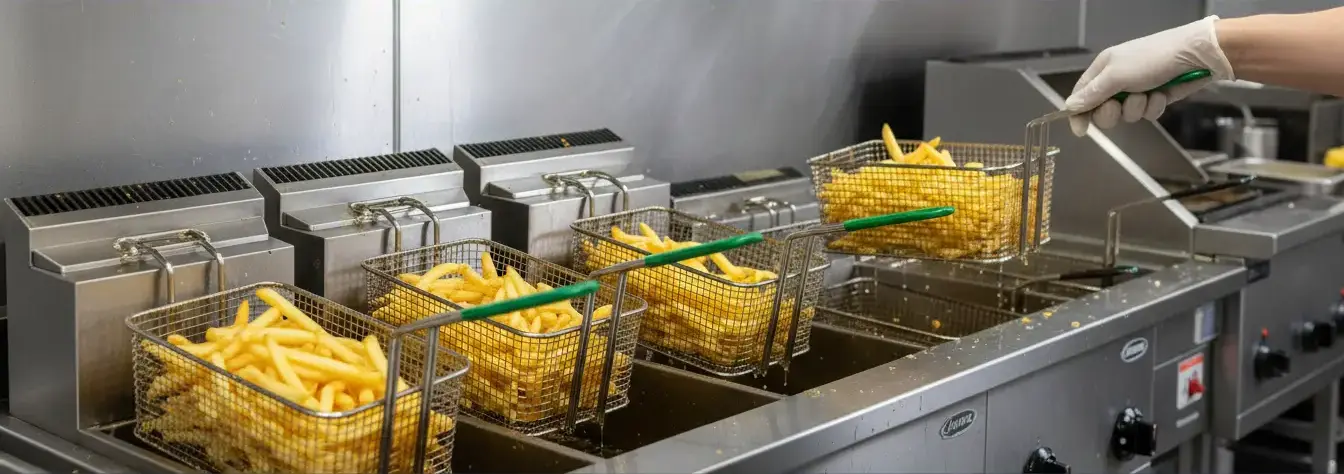
Find the Best Used Cooking Oil Collection Companies for Your Business
No obligation • Fast responses • Nationwide coverage

Why you can trust Restaurant Waste Disposal
Restaurant Waste Disposal is a leading U.S. resource for comparing restaurant composting, food-waste recycling, grease trap cleaning, and used cooking oil collection services. Our editorial team researches providers, checks credentials, and organizes unbiased information so operators can make informed decisions. Companies cannot pay to change ratings or placement.
Search providers near you
Best Used Cooking Oil Collection Companies in Wisconsin Ranked
For Wisconsin restaurants, managing used cooking oil (UCO) is a critical operational and environmental responsibility. The state enforces specific regulations to ensure this waste stream is handled safely, preventing sewer blockages and environmental harm while promoting recycling. Partnering with a licensed collection service is not just a convenience; it's a fundamental part of maintaining compliance with Wisconsin Department of Natural Resources (DNR) rules. This guide outlines the key requirements, best practices, and service considerations for effective used cooking oil management in the Badger State.
Residential Recycling Center
2026 New Jersey Ave, Sheboygan, WI 53081
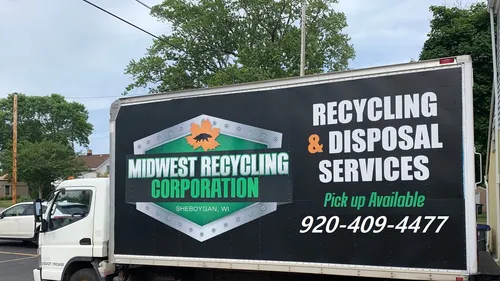
Residential Recycling Center in Sheboygan, WI, offers a drop-off location for residents to recycle items not collected curbside, including used cooking oil, motor oil, yard waste, scrap metal, and electronic waste. The center supports the city's efforts to maintain a cleaner and greener community by providing recycling resources and free woodchips when available. It operates seasonally with specific hours and accepts materials at the discretion of site attendants.
Royal Recycling Inc
4197 Reardon Rd, DeForest, WI 53532
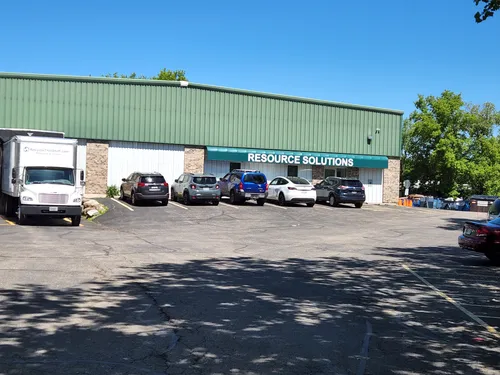
Royal Recycling Inc is a used cooking oil collection company based in Madison, WI. The company specializes in collecting used cooking oil for recycling and proper disposal. They serve businesses in the Madison area, helping to manage cooking oil waste in an environmentally responsible way.
Understanding Wisconsin's Regulatory Framework
Used cooking oil is regulated under Wisconsin's Used Oil Management Standards, primarily detailed in Chapter NR 679 of the Wisconsin Administrative Code. These rules classify used oil as a special waste, requiring careful handling from the point it becomes a waste to its final recycling or disposal. The regulations are designed to prevent improper disposal, such as pouring oil down drains or onto the ground, which can cause significant damage to municipal sewer systems and local waterways.
The responsibility for proper management starts with the generator-the restaurant or food service establishment. Key generator requirements include:
- Preventing Drain Disposal: It is illegal and harmful to pour used fryer oil or grease into sinks, floor drains, or toilets.
- Proper Storage: Oil must be stored in dedicated, structurally sound containers or tanks that are clearly labeled (e.g., "Used Oil") and made of compatible materials. Secondary containment is often required for larger storage tanks to contain any potential spills.
- Using Licensed Transporters: You must ensure that the company collecting your used oil holds a valid DNR solid waste transportation license and has an EPA Identification Number1 2. This is a non-negotiable compliance point.
- Maintaining Records: While the transporter typically handles manifests, generators should keep records of pickup dates, volumes collected, and the name of the receiving facility to demonstrate that the oil was sent to an authorized processor or re-refiner3.
The Role of Licensed Collection Services
Professional used cooking oil collection services are the linchpin of a compliant and hassle-free program. These licensed haulers simplify the process by providing the necessary equipment, scheduled pickups, and documentation.
Typical Service Offerings:
- Container Provision: Most providers supply collection containers (like barrels or tanks) at no upfront cost as part of their service agreement4 5.
- Scheduled Pickups: They establish a regular collection schedule-weekly, bi-weekly, or monthly-based on your oil production volume, ensuring your storage never overflows6.
- Transport & Tracking: Licensed transporters move the oil using vehicles permitted for hazardous materials transport under U.S. DOT rules. They manage the chain-of-custody paperwork, ensuring the oil is delivered to approved recycling facilities.
- Recycling Assurance: Reputable services guarantee that the collected oil is processed at facilities that recycle it into products like biodiesel, animal feed supplements, or industrial fuels.
Choosing a licensed provider means you are outsourcing the complex logistics and regulatory burdens to experts, allowing you to focus on your core business while meeting your environmental obligations.
Costs and Service Structures
The cost for used cooking oil collection in Wisconsin is not one-size-fits-all; it primarily depends on your establishment's volume and pickup frequency. Some providers may even offer compensation for large volumes of high-quality, uncontaminated oil.
Here is a general overview of potential monthly service cost ranges based on weekly production volume7 8 9:
- Small Volume (10-20 gallons/week): Approximately $60 - $120 per month.
- Medium Volume (30-50 gallons/week): Approximately $150 - $300 per month.
- Large Volume (75+ gallons/week): Approximately $300 - $600+ per month.
These are estimates, and actual quotes will vary by provider, location, and specific service terms. It's important to get detailed proposals that outline all fees, the pickup schedule, and what happens if you need an extra pickup outside the regular schedule.
Find the perfect used cooking oil collection companies for your needs
Get personalized recommendations and expert advice
Best Practices for On-Site Management
Even with a professional service, proper on-site handling is essential for safety, efficiency, and maintaining oil quality.
- Cool Before Transferring: Always allow oil to cool completely before moving it from fryers to storage containers to prevent burns and fires.
- Use Dedicated Equipment: Have dedicated, labeled funnels and containers for transferring used oil. Never use containers that held chemicals or other incompatible substances10.
- Keep it Clean: Minimize food debris and water in your used oil. Contaminants can lower its recycling value and cause issues with storage equipment. Strain oil when possible during transfer.
- Secure Storage Location: Place your collection container in a secure, accessible area for the hauler, preferably on a paved surface with secondary containment to manage any drips or leaks.
- Maintain Grease Traps: Remember that used cooking oil management is separate from grease interceptor (trap) maintenance. Both are required to protect your plumbing and the public sewer system, and both require regular professional servicing11.
Environmental and Community Benefits
Proper used cooking oil collection extends far beyond mere compliance. It is a direct contribution to Wisconsin's environmental health and circular economy. When oil is recycled into biodiesel, it creates a cleaner-burning alternative to petroleum diesel, reducing greenhouse gas emissions12. Recycling also prevents oil from clogging sewers, which can lead to costly sanitary sewer overflows (SSOs) that pollute lakes and rivers-a critical concern for a state rich in freshwater resources13. By participating in a responsible collection program, your restaurant plays a vital role in conserving local infrastructure and protecting Wisconsin's natural beauty.
Frequently asked questions
Sources
Footnotes
-
Managing Used Oil: Answers to Frequent Questions for Businesses - U.S. EPA ↩
-
Fryer Oil Recycling | Wisconsin | Oshkosh WI | Fond du Lac WI - HSS Grease Services ↩
-
Used Cooking Oil Pickup vs Drop-Off-What's Best for Restaurants? - Grease Pros ↩
-
Used Oil Pickup Florida: What Restaurants Should Know - Grease Pros ↩
-
Used Cooking Oil Pickup vs Drop-Off-What's Best for Restaurants? - Grease Pros ↩
-
Used Oil Recycling: Best Practices and Guide - Enviro-Safe ↩
-
Used Cooking Oil Regulations for Food Service Businesses - Baker Commodities ↩
-
Chapter NR 679 - USED OIL MANAGEMENT STANDARDS - Wisconsin Legislature ↩