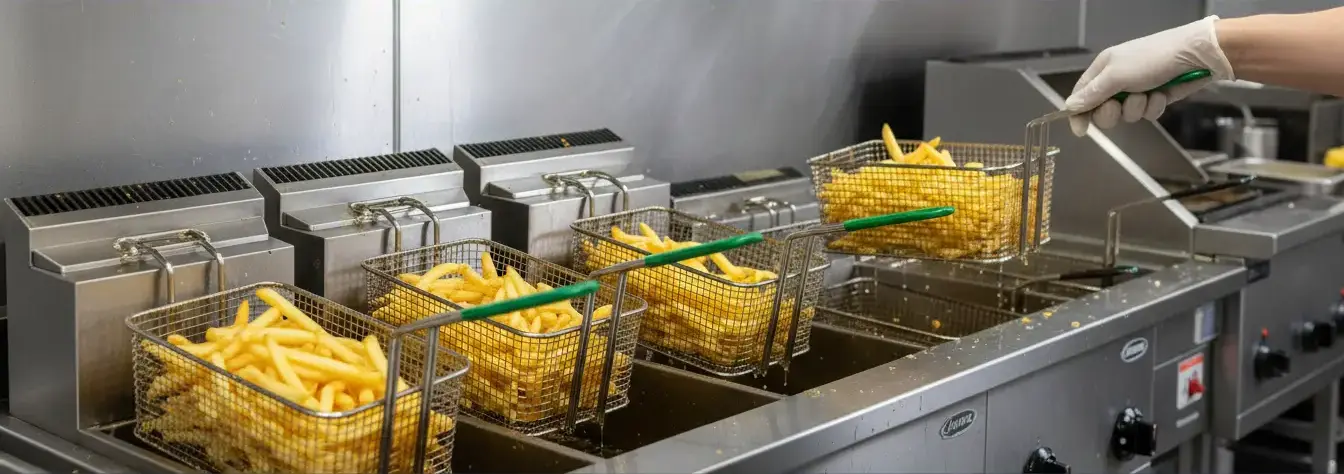
Find the Best Used Cooking Oil Collection Companies for Your Business
No obligation • Fast responses • Nationwide coverage

Why you can trust Restaurant Waste Disposal
Restaurant Waste Disposal is a leading U.S. resource for comparing restaurant composting, food-waste recycling, grease trap cleaning, and used cooking oil collection services. Our editorial team researches providers, checks credentials, and organizes unbiased information so operators can make informed decisions. Companies cannot pay to change ratings or placement.
Search providers near you
Top Used Cooking Oil Collection Companies in Nashville, Tennessee Ranked
For Nashville's vibrant restaurant scene, managing used cooking oil (UCO) is a critical operational and environmental responsibility. Proper disposal of this waste stream is not just a best practice-it's a legal requirement that supports the city's infrastructure and contributes to a circular economy. By partnering with a professional collection service, food service establishments can ensure compliance, enhance kitchen safety, and potentially turn a waste product into a revenue stream. This guide outlines the essentials of UCO recycling, from local regulations to the collection process and financial considerations for businesses in Music City.
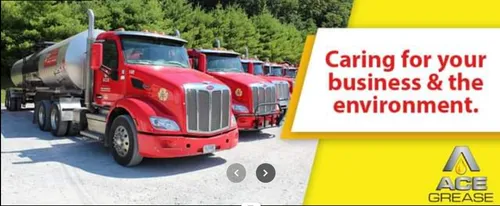
Ace Grease Service
Transfer Station, 1039 Slaters Creek Rd Nashville, 1039 Slaters Creek Rd, Goodlettsville, TN 37072
Ace Grease Service is a family-owned company based in Nashville, TN, with over 31 years of experience in used cooking oil collection and grease trap cleaning. They serve a wide range of clients including restaurants, hotels, hospitals, penal institutions, and food manufacturing plants. The company operates a fleet of state-of-the-art trucks and equipment across nine states in the Midwest. Ace Grease Service collects and recycles used cooking oil, turning it into products like plastics, soaps, livestock feed, and biodiesel fuel. They emphasize the importance of keeping fats, oils, and grease out of the sanitary sewer system to protect the environment and public health.
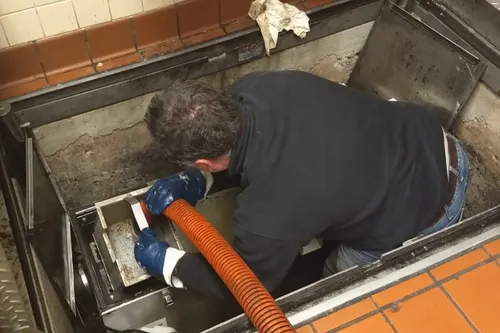
Nashville Grease Trap Cleaning
Nashville, TN
Nashville Grease Trap Cleaning provides grease trap pumping, cleaning, installation, and interceptor services in Nashville, TN. Serving commercial kitchens, restaurants, schools, and industrial sites, they handle grease trap maintenance and compliance issues across the Nashville metro area, including neighborhoods like Germantown and Sobro. With over 12 years of experience, the company uses hydro-jetting to thoroughly clean grease traps and interceptors, ensuring efficient operation and adherence to city and EPA regulations. They also manage grease waste disposal in an eco-friendly manner and keep detailed maintenance records for clients. Emergency and after-hours pumping services are available to support business continuity.
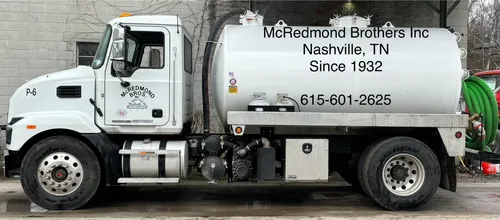
McRedmond Brothers
919 Massman Dr, Nashville, TN 37217
McRedmond Brothers is a used cooking oil collection company based in Nashville, TN. They specialize in collecting used cooking oil from local businesses to support recycling and proper disposal efforts.

Restaurant Technologies
1922 Old Murfreesboro Pike Suite 705, Nashville, TN 37217
Restaurant Technologies is a used cooking oil collection company based in Smyrna, TN. They provide an automatic, end-to-end cooking oil management system that includes bulk oil delivery, filtration, and recycling. Their closed-loop system installs tanks and automatic controls in commercial kitchens to safely deliver fresh oil and remove used oil without manual handling. This service helps reduce hazards and improve safety in back-of-house operations while supporting sustainability initiatives.
Nashville's Regulations for Grease and Oil Disposal
Nashville Metropolitan Code, in alignment with Tennessee Department of Environment and Conservation (TDEC) rules, has clear mandates for how commercial kitchens must handle fats, oils, and grease (FOG). The primary goal is to prevent these substances from entering the public sewer system, where they can solidify and cause costly blockages and sanitary sewer overflows 1.
Key legal requirements include:
- Prohibited Actions: It is illegal for businesses to pour used fryer oil down drains, into floor sinks, onto the ground, or dispose of it with regular solid waste 2 3. Such actions can lead to significant fines and environmental damage.
- Proper Containment: Waste oil must be stored in secure, leak-proof containers. Most professional recyclers provide these containers as part of their service.
- Licensed Haulers: Waste from grease interceptors-and by extension, bulk used cooking oil-must be collected by a hauler registered with TDEC 4. Using a licensed provider is essential for maintaining compliance and receiving proper documentation for your records.
The Professional Collection and Recycling Process
Engaging a professional UCO collection service streamlines waste management into a simple, automated routine. This process is designed for minimal disruption to your daily operations.
1. Storage and Accumulation After cooking, oil should be allowed to cool completely. Many kitchens then filter it to remove food particles before transferring it to a dedicated collection container. Your service provider will typically supply a specialized, lockable tank or drum that is designed to prevent leaks, spills, and theft. These containers are usually placed in an accessible area like a back alley, loading dock, or dedicated storage pad.
2. Scheduled Pickups Collection companies work on a scheduled route, with frequency determined by your oil production volume-whether weekly, bi-weekly, or monthly. The pickup is often fully automated: a driver uses a pump system to empty your container directly into their truck without requiring staff interaction or creating a mess 5. This reliable schedule ensures you never have an overfull container.
3. Transformation into New Products Once collected, the used oil is transported to a processing facility. Here, it undergoes cleaning and purification. The vast majority of collected UCO is refined into biodiesel, a renewable fuel that powers vehicles and reduces reliance on fossil fuels 6. It can also be used in the production of sustainable aviation fuel (SAF), animal feed supplements, soaps, and other industrial products, completing a valuable recycling loop 7.
Financial Considerations: Costs and Potential Revenue
The economics of used cooking oil pickup operate on a tiered system based on your establishment's monthly output. Understanding this model helps set realistic expectations.
For Lower-Volume Producers Restaurants that generate smaller amounts of oil-often cited as under 30-40 gallons per month-may be subject to a service fee. This fee, which can be around $30 per month, covers the cost of the container, scheduled pickups, and responsible recycling 8. This ensures even small cafes or food trucks can dispose of their oil legally and sustainably.
Earning Rebates for Higher Volume Once your consistent monthly production crosses a certain threshold (e.g., 40+ gallons), the dynamic often shifts. The service typically becomes free, and you may start receiving rebate checks. The recycler is essentially purchasing your clean, used oil as a feedstock for their operations 9.
The Importance of Oil Quality Payment amounts and potential fees are heavily influenced by the quality of the oil you provide. Clean, well-filtered oil free of water and excessive food debris is highly valuable. Conversely, oil that is heavily contaminated may be deemed a disposal liability, and the hauler might charge a fee to process it. Maintaining good kitchen practices directly impacts the financial outcome of your oil recycling.
Find the perfect used cooking oil collection companies for your needs
Get personalized recommendations and expert advice
Benefits Beyond Compliance
Implementing a professional used fryer oil recycling program offers advantages that extend far beyond simply following the law.
- Enhanced Kitchen Safety: Removing hot, slippery oil from the kitchen workflow reduces the risk of burns and slips. Secure outdoor storage containers also minimize fire hazards associated with improper oil storage.
- Environmental Stewardship: Recycling UCO into biodiesel significantly lowers greenhouse gas emissions compared to petroleum-based diesel. It's a tangible way for your business to support sustainability and reduce its carbon footprint 10.
- Operational Efficiency: A set-it-and-forget-it collection system saves staff time and labor compared to makeshift disposal methods. It also keeps your premises cleaner and free from grease-related pests.
- Positive Brand Image: Consumers increasingly support businesses with verifiable green practices. Promoting your commitment to oil recycling can be a valuable part of your brand's story.
Choosing a Service Provider in Nashville
When selecting a used cooking oil collector, due diligence is key. Ensure any company you consider is currently registered with TDEC as a licensed hauler. Look for providers with a strong local presence and reliable service history. Key questions to ask include details about their pickup schedule, container provision and maintenance, insurance coverage, and the transparency of their rebate or fee structure. Reading reviews from other local restaurants can provide insight into their reliability and customer service.
Frequently asked questions
Sources
Footnotes
-
Fats, Oils and Grease Pollution Prevention - Nashville.gov - https://www.nashville.gov/departments/water/community-education/grease ↩
-
Used Cooking Oil Disposal: Complete Guide to Grease Pickups - https://greaseconnections.com/used-cooking-oil-disposal-guide-grease-pickups/ ↩
-
How Should Businesses Dispose of Used Cooking Oil? - https://www.allied-renewal.com/insights/how-should-businesses-dispose-of-used-cooking-oil ↩
-
Nashville Grease Trap Cleaning: Essential Facilities Maintenance ... - https://www.myshyft.com/blog/grease-trap-cleaning-nashville-tennessee/ ↩
-
Used Cooking Oil Collection Nashville | Grand Natural Inc - https://www.grandnaturalinc.com/locations/used-cooking-oil-recycling-in-nashville.html ↩
-
Used Cooking Oil Pickup and Recycling Services in Nashville ... - https://www.mahoneyes.com/waste-oil-pickup-recycling-nashville-tn/ ↩
-
Used Cooking Oil (UCO) Collection Service For Restaurants - https://thegreasecompany.com/blog/restaurant-used-cooking-oil-collection/ ↩
-
Used Cooking Oil Pricing & Business Guide - Grease Connections - https://greaseconnections.com/used-cooking-oil-pricing-guide/ ↩
-
Do you get paid for used cooking oil? : r/cookingoilrecycling - Reddit - https://www.reddit.com/r/cookingoilrecycling/comments/1kvlxl5/do_you_get_paid_for_used_cooking_oil/ ↩
-
Cooking Oil Recycling in Tennessee - https://eazygrease.com/cooking-oil-recycling-tennessee/ ↩