
Find the Best Used Cooking Oil Collection Companies for Your Business
No obligation • Fast responses • Nationwide coverage

Why you can trust Restaurant Waste Disposal
Restaurant Waste Disposal is a leading U.S. resource for comparing restaurant composting, food-waste recycling, grease trap cleaning, and used cooking oil collection services. Our editorial team researches providers, checks credentials, and organizes unbiased information so operators can make informed decisions. Companies cannot pay to change ratings or placement.
Search providers near you
Best Used Cooking Oil Collection Companies in Tennessee Ranked
For Tennessee restaurants, managing used cooking oil (UCO) is a critical operational and environmental responsibility. Proper collection and recycling are not just best practices; they are regulated by state solid waste management rules to prevent sewer damage and environmental contamination. By partnering with a licensed collection service, food service establishments can turn a waste product into a valuable commodity for biodiesel production, often at little to no cost, while ensuring full compliance with Tennessee regulations.
Ace Grease Service
Transfer Station, 1039 Slaters Creek Rd Nashville, 1039 Slaters Creek Rd, Goodlettsville, TN 37072
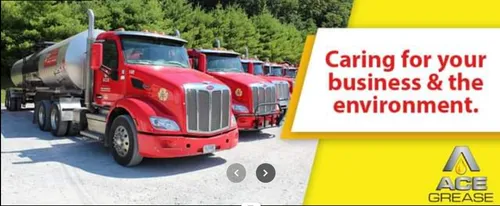
Ace Grease Service is a family-owned company based in Nashville, TN, with over 31 years of experience in used cooking oil collection and grease trap cleaning. They serve a wide range of clients including restaurants, hotels, hospitals, penal institutions, and food manufacturing plants. The company operates a fleet of state-of-the-art trucks and equipment across nine states in the Midwest. Ace Grease Service collects and recycles used cooking oil, turning it into products like plastics, soaps, livestock feed, and biodiesel fuel. They emphasize the importance of keeping fats, oils, and grease out of the sanitary sewer system to protect the environment and public health.
Ace Grease Service
Transfer Station, 7240 Craft-Goodman Rd, Olive Branch, MS 38654
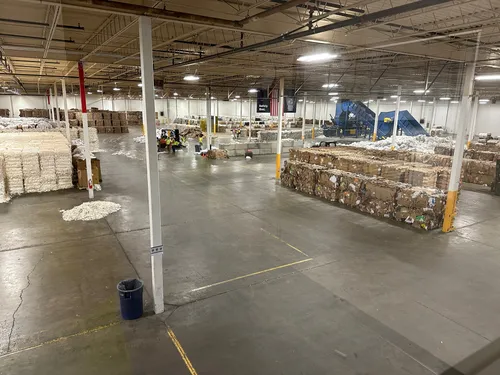
Ace Grease Service is a family-owned company based in Memphis, TN, specializing in used cooking oil collection and grease trap cleaning. With over 31 years of experience, they serve a variety of clients including restaurants, hotels, hospitals, and food manufacturing plants. The company collects and recycles used cooking oil into products like plastics, soaps, livestock feed, and biodiesel fuel. Ace Grease Service operates a fleet of advanced trucks and equipment, providing service across nine states in the Midwest.
Nashville Grease Trap Cleaning
Nashville, TN
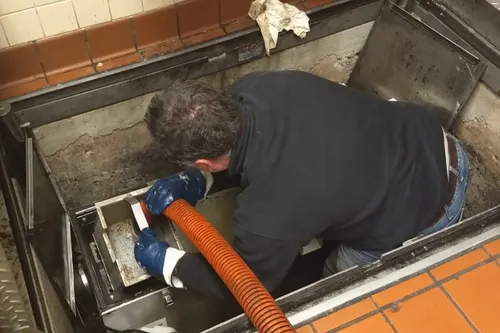
Nashville Grease Trap Cleaning provides grease trap pumping, cleaning, installation, and interceptor services in Nashville, TN. Serving commercial kitchens, restaurants, schools, and industrial sites, they handle grease trap maintenance and compliance issues across the Nashville metro area, including neighborhoods like Germantown and Sobro. With over 12 years of experience, the company uses hydro-jetting to thoroughly clean grease traps and interceptors, ensuring efficient operation and adherence to city and EPA regulations. They also manage grease waste disposal in an eco-friendly manner and keep detailed maintenance records for clients. Emergency and after-hours pumping services are available to support business continuity.
McRedmond Brothers
919 Massman Dr, Nashville, TN 37217
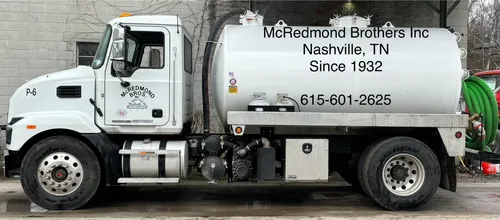
McRedmond Brothers is a used cooking oil collection company based in Nashville, TN. They specialize in collecting used cooking oil from local businesses to support recycling and proper disposal efforts.

Green Energy Biofuel
1754 Alcoa Hwy, Knoxville, TN 37920
Green Energy Biofuel operates a used cooking oil collection facility in Knoxville, TN. The company specializes in collecting used cooking oil with proprietary processing methods and advanced technology to improve collection efficiency and reduce hauling waste. This location is their first expansion outside South Carolina and supports waste management services with a team of up to 10 employees.
Tennessee Regulations for Used Oil Management
The Tennessee Department of Environment and Conservation (TDEC) Division of Solid Waste Management oversees the management of used cooking oil. For businesses, this falls under the "used oil" regulatory framework, which requires handlers to operate under a "permit-by-rule" notification 1. The core principle is that used cooking oil is a resource, not trash, and must be managed accordingly to protect public health and the environment.
Key state requirements include:
- Prohibited Disposal: It is illegal to pour used cooking oil down drains, into grease traps, or dispose of it with regular solid waste. This can cause severe sewer blockages (fatbergs), environmental harm, and result in significant fines for the business.
- Proper Storage: Oil must be stored in durable, leak-proof containers or tanks with secure lids to prevent spills, contamination, and access by pests or unauthorized persons. Containers should be kept in a protected area, often near a back door for easy service access 2.
- Licensed Transport: Used oil must be transported by a licensed or certified hauler to a permitted recycling or processing facility. Businesses are responsible for ensuring their service provider holds the proper credentials.
- Record Keeping: Maintaining records of oil collection volumes and hauler information is a critical part of demonstrating compliance.
The Environmental and Economic Benefits of Recycling UCO
Recycling used cooking oil is a cornerstone of sustainable business practice in Tennessee's food service industry. When collected properly, this material is diverted from landfills and wastewater systems, providing significant environmental benefits.
The primary destination for collected UCO is biodiesel production. Biodiesel is a cleaner-burning, renewable fuel that reduces dependence on fossil fuels and lowers greenhouse gas emissions. Other uses include conversion into animal feed supplements or industrial ingredients. By recycling, restaurants directly contribute to a circular economy, transforming their waste into valuable energy and products.
From an economic standpoint, used cooking oil has tangible value. This is why many collection services structure their offerings to be cost-neutral or even profitable for the restaurant.
Understanding Service Models and Costs
The cost structure for used cooking oil collection in Tennessee is not one-size-fits-all; it varies based on the provider, the volume of oil generated, and the service model. Generally, services fall into a few categories:
- Free Pickup Services: This is the most common model for full-service restaurants, chains, and high-volume establishments. In exchange for the right to collect the valuable oil, providers often offer free regular pickups, supply and maintain storage containers or tanks, and may include theft protection devices.
- Rebate or Payment Programs: Some providers may offer a rebate or direct payment to restaurants for their high-quality, well-managed used cooking oil. This effectively turns a waste line item into a small revenue stream 3 4.
- Fee-Based Services: Lower-volume generators or those with specific service needs may encounter a fee for collection. This fee can be structured as a monthly service charge, a per-gallon pickup fee, or a combination of both.
Most reputable providers offer scheduled pickups to ensure containers are emptied before they overflow, preventing odors, pests, and compliance issues. Establishing a reliable schedule is key to hassle-free management.
Find the perfect used cooking oil collection companies for your needs
Get personalized recommendations and expert advice
Best Practices for On-Site UCO Handling
Proper handling before the collection truck arrives is essential for safety, oil quality, and compliance. Following these best practices can streamline operations and maximize the value of your oil:
- Cool Before Handling: Always allow oil to cool below 120°F before filtering or transferring it to storage containers to prevent burns and fire hazards.
- Filter for Purity: Use a fine mesh filter or dedicated oil filter to remove food particles and debris. Cleaner oil is more valuable for recycling and less likely to cause issues in storage tanks.
- Use Dedicated, Labeled Containers: Store oil only in containers supplied or approved by your hauler. Clearly label them "Used Cooking Oil Only" to prevent cross-contamination.
- Secure the Storage Area: Keep collection containers in a secure, well-maintained area to prevent accidental spills, tampering, or unauthorized theft of oil.
- Maintain Grease Interceptors Separately: Remember that used cooking oil collection is distinct from grease trap or grease interceptor cleaning. Liquid fats, oils, and grease (FOG) from traps have different handling requirements and should not be mixed with UCO from fryers 5. Ensure your grease interceptor has a properly installed sanitary tee for correct liquid level control 6.
Choosing a Collection Partner in Tennessee
Selecting the right used cooking oil collection service is a strategic decision. A good partner acts as an extension of your team, ensuring regulatory compliance and operational efficiency. When evaluating providers, consider the following:
- Tennessee Licensing: Verify that the hauler is properly licensed and insured to transport used oil within the state 7.
- Service Reliability: Look for a company with a reputation for consistent, on-time pickups and responsive customer service.
- Container and Equipment Provision: Many top providers offer free, locked containers or tanks to secure your oil and prevent theft or contamination.
- Environmental Stewardship: Choose a company that is transparent about where your oil goes, preferably to a certified biodiesel producer or similar end-market.
- Clear Contract Terms: Understand the service agreement, including pickup frequency, cost structure (free, rebate, or fee), and responsibilities for container maintenance.
By establishing a partnership with a reputable provider like Mahoney Environmental, Eazy Grease, Liquid Recovery Solutions, or a qualified local hauler, Tennessee restaurants can ensure their used cooking oil is managed responsibly, sustainably, and in full compliance with state law 8 9 10.
Frequently asked questions
Sources
Footnotes
-
Notification for Used Oil Management - https://www.tn.gov/environment/permit-permits/waste-permits1/notification-for-used-oil-management.html ↩
-
Used Cooking Oil (UCO) Collection Service For Restaurants - https://thegreasecompany.com/blog/restaurant-used-cooking-oil-collection/ ↩
-
Used Cooking Oil Disposal: Complete Guide to Grease Pickups - https://greaseconnections.com/used-cooking-oil-disposal-guide-grease-pickups/ ↩
-
Restaurant Used Cooking Oil: Disposal, Recycling & Revenue Guide - https://greaseconnections.com/restaurant-used-cooking-oil-disposal-recycling-revenue-guide/ ↩
-
OIL AND GREASE LIMITS - TN.gov - https://www.tn.gov/content/dam/tn/environment/water/documents/GuidanceDoc.pdf ↩
-
How Should Businesses Dispose of Used Cooking Oil? | Allied Renewal - https://www.allied-renewal.com/insights/how-should-businesses-dispose-of-used-cooking-oil ↩
-
Tennessee Code § 68-211-1011 (2017) - Used oil collection ... - https://law.justia.com/codes/tennessee/2017/title-68/environmental-protection/chapter-211/part-10/section-68-211-1011/ ↩
-
Cooking Oil Delivery, Pickup, and Recycling in Tennessee - https://www.mahoneyes.com/cooking-oil-delivery-recycling-tennessee/ ↩
-
Cooking Oil Recycling in Tennessee - https://eazygrease.com/cooking-oil-recycling-tennessee/ ↩
-
Tennessee - Liquid Recovery Solutions - https://liquidrecover.com/tennessee/ ↩