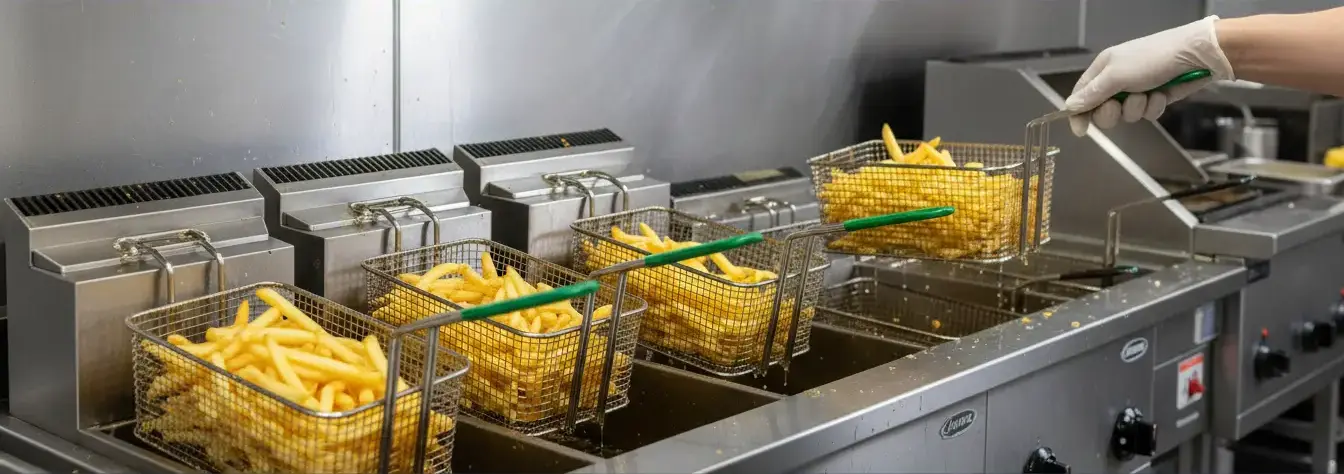
Find the Best Used Cooking Oil Collection Companies for Your Business
No obligation • Fast responses • Nationwide coverage

Why you can trust Restaurant Waste Disposal
Restaurant Waste Disposal is a leading U.S. resource for comparing restaurant composting, food-waste recycling, grease trap cleaning, and used cooking oil collection services. Our editorial team researches providers, checks credentials, and organizes unbiased information so operators can make informed decisions. Companies cannot pay to change ratings or placement.
Search providers near you
Top Used Cooking Oil Collection Companies in Gallatin, Tennessee Ranked
For restaurants and food service establishments in Gallatin, managing used cooking oil (UCO) is a critical operational and environmental responsibility. Proper grease trap maintenance and professional oil collection are not just best practices-they are mandated by local and state regulations to protect the city's sewer infrastructure. Partnering with a licensed collection service transforms a potential waste liability into a valuable commodity, as the oil is recycled into biofuels and other sustainable products. This guide outlines the essential requirements, processes, and benefits of establishing a reliable used cooking oil collection program for your Gallatin business.
Ace Grease Service
Transfer Station, 1039 Slaters Creek Rd Nashville, 1039 Slaters Creek Rd, Goodlettsville, TN 37072
Ace Grease Service is a family-owned company based in Nashville, TN, with over 31 years of experience in used cooking oil collection and grease trap cleaning. They serve a wide range of clients including restaurants, hotels, hospitals, penal institutions, and food manufacturing plants. The company operates a fleet of state-of-the-art trucks and equipment across nine states in the Midwest. Ace Grease Service collects and recycles used cooking oil, turning it into products like plastics, soaps, livestock feed, and biodiesel fuel. They emphasize the importance of keeping fats, oils, and grease out of the sanitary sewer system to protect the environment and public health.
Nashville Grease Trap Cleaning
Nashville, TN
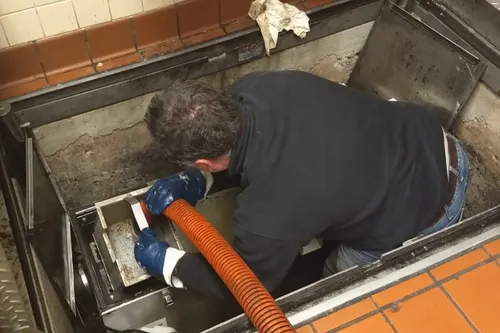
Nashville Grease Trap Cleaning provides grease trap pumping, cleaning, installation, and interceptor services in Nashville, TN. Serving commercial kitchens, restaurants, schools, and industrial sites, they handle grease trap maintenance and compliance issues across the Nashville metro area, including neighborhoods like Germantown and Sobro. With over 12 years of experience, the company uses hydro-jetting to thoroughly clean grease traps and interceptors, ensuring efficient operation and adherence to city and EPA regulations. They also manage grease waste disposal in an eco-friendly manner and keep detailed maintenance records for clients. Emergency and after-hours pumping services are available to support business continuity.
McRedmond Brothers
919 Massman Dr, Nashville, TN 37217
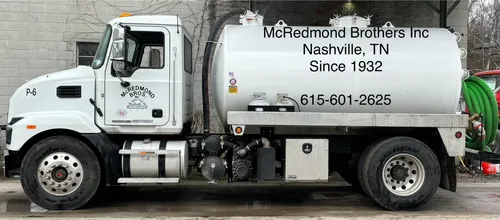
McRedmond Brothers is a used cooking oil collection company based in Nashville, TN. They specialize in collecting used cooking oil from local businesses to support recycling and proper disposal efforts.

Restaurant Technologies
1922 Old Murfreesboro Pike Suite 705, Nashville, TN 37217
Restaurant Technologies is a used cooking oil collection company based in Smyrna, TN. They provide an automatic, end-to-end cooking oil management system that includes bulk oil delivery, filtration, and recycling. Their closed-loop system installs tanks and automatic controls in commercial kitchens to safely deliver fresh oil and remove used oil without manual handling. This service helps reduce hazards and improve safety in back-of-house operations while supporting sustainability initiatives.
Local Regulations for Grease and Oil Management
Gallatin, like all Tennessee municipalities, enforces strict rules to prevent fats, oils, and grease (FOG) from entering the wastewater system. Compliance is non-negotiable and involves several key components.
Mandatory Grease Interceptors: Every food service establishment is required to have and properly maintain an approved grease trap or interceptor. These devices capture FOG before wastewater leaves your facility, preventing blockages in both your plumbing and the public sewer lines.
Prohibited Disposal Methods: It is illegal to pour used cooking oil down any drain, including sinks and floor drains. Disposing of grease with solid garbage is also prohibited 1 2. Violations can lead to significant fines and enforcement actions from Gallatin Public Utilities.
Licensed Hauler Requirement: To ensure proper handling and recycling, used cooking oil must be collected by a transporter licensed with the Environmental Protection Agency (EPA) and compliant with Tennessee regulations. Using an unlicensed hauler can leave your business liable for improper disposal.
Setting Up Your Collection Service: Storage and Scheduling
A seamless used oil pickup system starts with proper on-site storage and a predictable collection schedule. Professional collectors provide the necessary equipment and work with you to determine the right service frequency.
Storage Containers: Collection companies typically provide secure, lockable steel bins ranging from 40 to over 300 gallons in capacity. These containers should be kept covered and placed in a designated area, either indoors or outdoors, that is accessible for the hauler's truck. Keeping oil free from excess water and food solids is crucial, as contamination reduces its recycling value 3.
Collection Frequency: Services are tailored to your volume. Common schedules include weekly, bi-weekly, or monthly pickups. Many providers also offer on-demand service for unexpected needs 4. A standard practice is to schedule a pickup when bins are roughly 25% full or at least every 90 days to prevent overflow and odor issues.
Staff Training: Educating kitchen staff on proper oil handling improves efficiency and oil quality. Staff should know to filter out food particles before transferring cooled oil to the storage bin and to keep the bin's lid securely closed.
The Recycling Journey: From Your Kitchen to New Products
When a collection service picks up your used cooking oil, it embarks on a journey that gives it a second life as valuable, sustainable materials. This process turns a waste product into a community and environmental asset.
Step 1: Collection: The hauler arrives at your scheduled time, often without requiring staff interaction, and pumps the oil from your storage container into their specialized tanker truck.
Step 2: Transportation & Processing: The oil is transported to a processing facility where it undergoes filtration to remove impurities and water. This purification step prepares the oil for its next use.
Step 3: Transformation: The clean used cooking oil is a prime feedstock for recycling. It is most commonly refined into biodiesel, a renewable fuel that powers vehicles and equipment. It can also be processed into sustainable aviation fuel (SAF), animal feed components, soaps, and bioplastics 5.
Find the perfect used cooking oil collection companies for your needs
Get personalized recommendations and expert advice
Understanding Costs and Potential Rebates
The financial model for used cooking oil collection often depends on your monthly production volume. While proper disposal is a cost of doing business, higher volumes can sometimes generate revenue or offset service fees.
For Lower Volume Producers: Restaurants generating less than 40 gallons of used oil per month may incur a monthly service fee, which can be in the range of approximately $30, to cover the cost of pickup and recycling.
For Medium to High Volume Producers: Establishments producing between 40 and 200 gallons per month often qualify for free pickup services. Those generating over 200 gallons monthly may be eligible for rebate programs, where the collector pays the restaurant for the oil 6 7. Rebate rates can vary but may range from $0.10 to $0.65 per gallon, depending on market conditions and oil quality 7.
Maximizing Value: The key to qualifying for the best financial terms is maintaining high-quality oil. This means storing it properly in covered containers and minimizing contamination from water and food debris, which increases its value to recyclers 8.
Choosing a Service Provider in the Gallatin Area
Several reputable companies offer used cooking oil collection and recycling services in Tennessee and the Greater Nashville area, which includes Gallatin. When selecting a provider, consider their compliance credentials, service reliability, and container offerings.
Key Considerations:
- Licensing & Compliance: Verify the hauler is fully licensed and insured, meeting all EPA and Tennessee regulatory requirements 9.
- Service Reliability: Look for a provider known for consistent, on-time pickups to prevent overflow and compliance issues.
- Container Provision: Ensure they supply appropriate, secure storage bins at no extra cost.
- Transparent Terms: Understand the service agreement, including pickup frequency, fee structure, and any potential rebate programs.
Examples of service providers active in the region include Mahoney Environmental, Liquid Recovery Solutions, and Eazy Grease, among others 10 11.
Benefits Beyond Compliance
Implementing a professional used cooking oil collection program offers advantages that extend far beyond meeting legal obligations.
Environmental Stewardship: Recycling UCO into biodiesel significantly reduces greenhouse gas emissions compared to fossil fuels and decreases reliance on landfills 12. Operational Safety & Cleanliness: Secure, professionally serviced bins reduce the risk of spills, slips, and pests (like rodents and insects) around your dumpster area. Enhanced Sustainability Profile: Promoting your partnership with a recycler can bolster your restaurant's brand as an environmentally responsible business, appealing to a growing segment of conscious consumers. Peace of Mind: A set-it-and-forget-it service model ensures a critical waste stream is managed reliably, allowing you to focus on running your restaurant.
Frequently asked questions
Sources
Footnotes
-
OIL AND GREASE LIMITS - TN.gov - https://www.tn.gov/content/dam/tn/environment/water/documents/GuidanceDoc.pdf ↩
-
Industrial Pretreatment | Gallatin Public Utilities - https://www.gallatinutilities.com/wastewater/wastewater-treatment-plant/industrial-pretreatment ↩
-
Grease Collection Service: What is it - https://www.grandnaturalinc.com/blog/what-is-grease-collection-service.html ↩
-
Used Cooking Oil Pickup and Recycling Services in Nashville ... - https://www.mahoneyes.com/waste-oil-pickup-recycling-nashville-tn/ ↩
-
Recycling Used Cooking Oil With Green Grease Environmental - https://www.youtube.com/watch?v=KP05Yx-GkHk ↩
-
Used Cooking Oil Disposal: Complete Guide to Grease Pickups - https://greaseconnections.com/used-cooking-oil-disposal-guide-grease-pickups/ ↩
-
Do you get paid for used cooking oil? : r/cookingoilrecycling - Reddit - https://www.reddit.com/r/cookingoilrecycling/comments/1kvlxl5/do_you_get_paid_for_used_cooking_oil/ ↩ ↩2
-
Restaurant Used Cooking Oil Recycling & Disposal Guide - https://greaseconnections.com/restaurant-used-cooking-oil-disposal-recycling-revenue-guide/ ↩
-
Cooking Oil Delivery, Pickup, and Recycling in Tennessee - https://www.mahoneyes.com/cooking-oil-delivery-recycling-tennessee/ ↩
-
Tennessee - Liquid Recovery Solutions - https://liquidrecover.com/our-locations/used-cooking-oil-recycling-in-tennessee/ ↩
-
Cooking Oil Recycling in Tennessee - Eazy Grease - https://eazygrease.com/cooking-oil-recycling-tennessee/ ↩
-
Used Cooking Oil (UCO) Collection Service For Restaurants - https://thegreasecompany.com/blog/restaurant-used-cooking-oil-collection/ ↩