Find the Best Used Cooking Oil Collection Companies for Your Business
No obligation • Fast responses • Nationwide coverage

Why you can trust Restaurant Waste Disposal
Restaurant Waste Disposal is a leading U.S. resource for comparing restaurant composting, food-waste recycling, grease trap cleaning, and used cooking oil collection services. Our editorial team researches providers, checks credentials, and organizes unbiased information so operators can make informed decisions. Companies cannot pay to change ratings or placement.
Search providers near you
Top Used Cooking Oil Collection Companies in Franklin, Tennessee Ranked
For restaurants and food service establishments in Franklin, New Jersey, managing used cooking oil (UCO) is not just a routine kitchen task-it's a regulated part of sustainable operations. Local ordinances mandate the recycling of this material, turning a potential waste stream into valuable commodities like biodiesel. Navigating the requirements for proper containment, licensed collection, and compliant documentation is essential for both environmental responsibility and operational efficiency. This guide outlines the key steps, local rules, and service options for effective grease and oil recycling in the township.
Nashville Grease Trap Cleaning
Nashville, TN
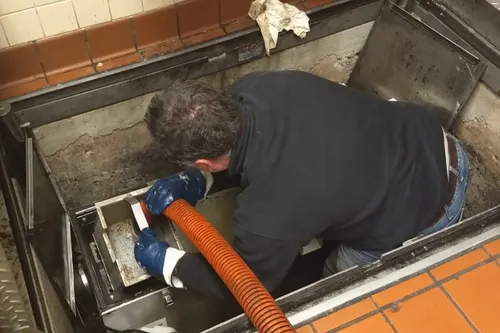
Nashville Grease Trap Cleaning provides grease trap pumping, cleaning, installation, and interceptor services in Nashville, TN. Serving commercial kitchens, restaurants, schools, and industrial sites, they handle grease trap maintenance and compliance issues across the Nashville metro area, including neighborhoods like Germantown and Sobro. With over 12 years of experience, the company uses hydro-jetting to thoroughly clean grease traps and interceptors, ensuring efficient operation and adherence to city and EPA regulations. They also manage grease waste disposal in an eco-friendly manner and keep detailed maintenance records for clients. Emergency and after-hours pumping services are available to support business continuity.
McRedmond Brothers
919 Massman Dr, Nashville, TN 37217
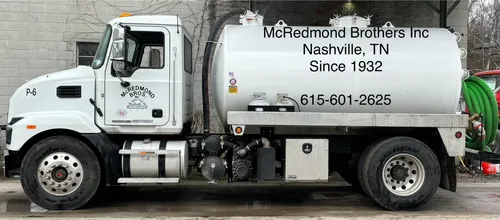
McRedmond Brothers is a used cooking oil collection company based in Nashville, TN. They specialize in collecting used cooking oil from local businesses to support recycling and proper disposal efforts.

Restaurant Technologies
1922 Old Murfreesboro Pike Suite 705, Nashville, TN 37217
Restaurant Technologies is a used cooking oil collection company based in Smyrna, TN. They provide an automatic, end-to-end cooking oil management system that includes bulk oil delivery, filtration, and recycling. Their closed-loop system installs tanks and automatic controls in commercial kitchens to safely deliver fresh oil and remove used oil without manual handling. This service helps reduce hazards and improve safety in back-of-house operations while supporting sustainability initiatives.
Understanding Local Recycling Mandates
In Franklin Township, recycling used fryer oil and grease is a legal requirement for food service establishments. An ordinance specifically mandates the recycling of these materials, aligning with broader New Jersey state goals for waste diversion and renewable energy production. This means that simply discarding UCO with regular trash or down the drain is not an option. The local rule is part of a structured effort to ensure this resource is recovered and processed into beneficial products, supporting the circular economy and reducing environmental impact.
The mandate emphasizes proper containment and tracking. Establishments must store their used oil in dedicated containers and have it collected by a licensed hauler who provides a manifest, or tracking document, for each pickup. This system ensures accountability from the point of generation all the way to the recycling facility, helping businesses stay compliant and transparent in their waste management practices.
Step-by-Step Process for Oil Collection
Implementing a compliant used cooking oil program involves a straightforward series of actions. Following these steps helps maintain kitchen safety, ensures oil quality, and streamlines the pickup process.
Cooling and Transfer After use, allow the cooking oil to cool to a safe temperature, generally below 120°F, before handling. Once cooled, carefully pour the oil from fryers or cookware into a designated collection bin. These bins are typically provided by your service hauler. It's crucial to avoid mixing the oil with water, food debris, or other liquids, as contamination can significantly reduce its value and complicate the recycling process.
Scheduling and Pickup Contact a licensed used cooking oil collection service to establish a regular pickup schedule. The frequency-whether weekly, bi-weekly, or monthly-will depend on your establishment's oil volume. For very low-volume producers, some services offer "on-call" or "will call" pickups. On the scheduled day, the hauler will pump the oil from your storage bin into their truck.
Documentation and Recycling Upon collection, the hauler should complete a manifest. This document details the quantity collected and serves as your proof of proper, legal recycling, which is important for regulatory compliance. The oil is then transported to a processing facility, such as a local biodiesel plant, where it is cleaned and converted into renewable fuel and other products.
Container and Storage Best Practices
Proper storage is the foundation of an efficient and safe UCO collection system. Using the right containers prevents spills, avoids contamination, and deters theft or vandalism.
- Dedicated Bins: Use only containers supplied or approved by your collection service. These are specifically designed for grease storage and transport.
- Indoor vs. Outdoor Storage: Bins can be stored in a secure, designated area inside your kitchen or outside your establishment. For outdoor storage, locking bins are strongly recommended to prevent unauthorized access and theft, which can be a concern due to the value of the oil1.
- Secure Lids: Always ensure storage bins have tight-fitting, secure lids. This prevents rainwater, debris, or pests from contaminating the oil and avoids creating slip hazards or odors.
- Separation is Key: A critical rule is to never mix used cooking oil (often called "yellow grease") with brown grease from grease trap interceptors. These are two separate waste streams with different handling and recycling pathways. Keeping them separate is essential for compliance and effective recycling.
Compliance and Hauler Requirements
Working with a legitimate service provider is a key part of meeting local and state regulations. In New Jersey, transporters of used cooking oil must be registered with the New Jersey Department of Environmental Protection (NJDEP)2. This registration ensures they adhere to state rules for transporting and recycling waste materials.
When evaluating a collection service, confirm they are NJDEP-registered and that they provide a detailed manifest for every pickup. This manifest is your legal receipt, proving the oil was transferred to a licensed entity for proper recycling, not illegally dumped 3. Reputable haulers will handle this documentation automatically.
Find the perfect used cooking oil collection companies for your needs
Get personalized recommendations and expert advice
Potential Costs and Revenue
The financial model for used cooking oil collection can vary. For many restaurants, especially lower-volume producers generating less than 100 gallons per month, collection services are often provided at no charge. The hauler's revenue comes from selling the clean oil to recyclers.
For establishments with high-volume output-typically over 100 gallons per month-the dynamic can shift. Clean, well-managed used cooking oil has significant market value as a feedstock for biodiesel. In such cases, restaurants may actually earn revenue from their oil, with payments potentially ranging from a few cents to over 65 cents per gallon, depending on market conditions and oil quality4 5. Conversely, oil that is heavily contaminated with water or food solids may incur a disposal fee instead of generating payment, as it requires more intensive processing5.
Local Service Providers and Processors
Several companies operate in the region to facilitate used cooking oil collection and recycling for Franklin businesses. These include licensed haulers who provide the bins, scheduled pickups, and manifests, as well as the processing facilities that transform the oil into new products.
- Collection Services: Providers like Eazy Grease and Grand Natural Inc. offer used cooking oil collection services in New Jersey, handling the logistics of pickup and transportation6 7.
- Recycling Facilities: The collected oil is often processed at regional facilities such as D&W Alternative Energy, where it is converted into biodiesel and other renewable products8.
Partnering with a local hauler connected to such processors ensures your oil completes its journey from a kitchen byproduct to a clean, renewable fuel.
Environmental and Community Benefits
Recycling used cooking oil extends benefits far beyond individual restaurant compliance. When processed into biodiesel, this oil replaces traditional fossil fuels, reducing greenhouse gas emissions and air pollution9. This local recycling effort supports New Jersey's renewable energy goals and contributes to a more sustainable regional economy.
Furthermore, proper collection prevents UCO from being poured into drains, which is a major cause of sewer blockages and costly municipal infrastructure problems. By participating in a formal collection program, Franklin's food businesses play a direct role in protecting local waterways and reducing maintenance burdens on public systems.
Frequently asked questions
Sources
Footnotes
-
Used Cooking Oil Disposal: Complete Guide to Grease Pickups - https://greaseconnections.com/used-cooking-oil-disposal-guide-grease-pickups/ ↩
-
S2166 - NJ Legislature - https://pub.njleg.gov/bills/2014/S2500/2166_I1.HTM ↩
-
township of franklin - https://www.franklintownshipnj.org/DocumentCenter/View/265/Ordinance-006-09---Solid-Waste-Revised-PDF ↩
-
Restaurant Used Cooking Oil: Disposal, Recycling & Revenue Guide - https://greaseconnections.com/restaurant-used-cooking-oil-disposal-recycling-revenue-guide/ ↩
-
Used Cooking Oil Pricing & Business Guide - Grease Connections - https://greaseconnections.com/used-cooking-oil-pricing-guide/ ↩ ↩2
-
Grease Collection Service: What is it - Grand Natural Inc - https://www.grandnaturalinc.com/blog/what-is-grease-collection-service.html ↩
-
Used Cooking Oil Recycling Service in New Jersey - https://eazygrease.com/used-cooking-oil-recycling-new-jersey/ ↩
-
Used Cooking Oil Collection & Recycling - D&W Alternative Energy - https://dandwalternativeenergy.com/used-cooking-oil-collection/ ↩
-
Recycling Used Cooking Oil With Green Grease Environmental - https://www.youtube.com/watch?v=KP05Yx-GkHk ↩