Find the Best Used Cooking Oil Collection Companies for Your Business
No obligation • Fast responses • Nationwide coverage

Why you can trust Restaurant Waste Disposal
Restaurant Waste Disposal is a leading U.S. resource for comparing restaurant composting, food-waste recycling, grease trap cleaning, and used cooking oil collection services. Our editorial team researches providers, checks credentials, and organizes unbiased information so operators can make informed decisions. Companies cannot pay to change ratings or placement.
Search providers near you
Top Used Cooking Oil Collection Companies in Bartlett, Tennessee Ranked
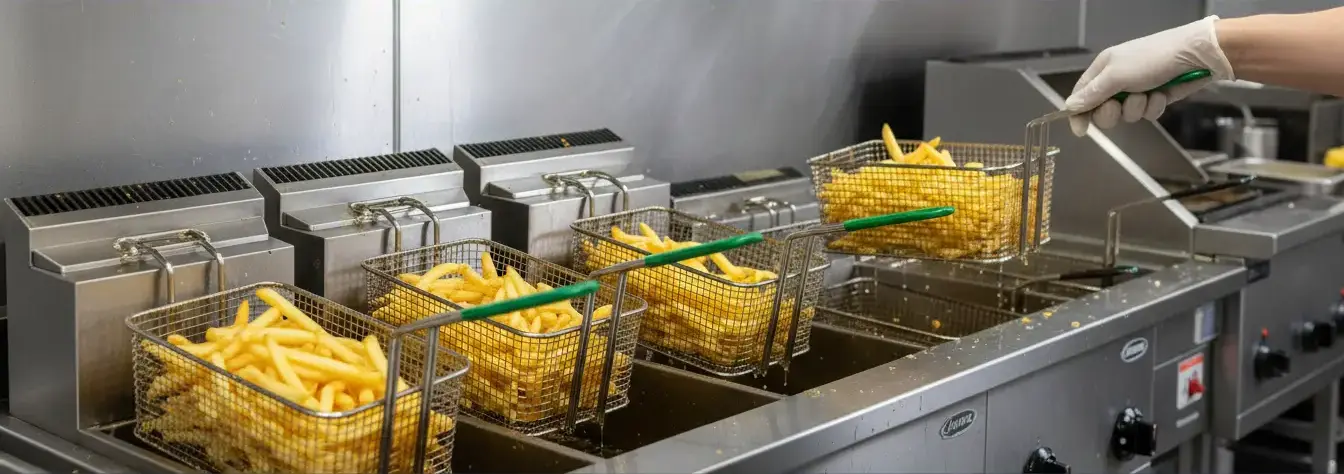
For restaurants and food service businesses in Bartlett, managing used cooking oil (UCO) is a critical operational and environmental responsibility. Proper collection and recycling of this waste stream are not just best practices; they are mandated by state and local regulations to protect the municipal sewer system from costly clogs and overflows. By partnering with a professional collection service, Bartlett businesses can ensure compliance, enhance their sustainability profile, and potentially turn a waste product into a source of rebate revenue. This process transforms your used fryer oil into valuable commodities like renewable diesel and sustainable aviation fuel, contributing to a circular economy right here in the Memphis metro area.
Understanding Local Regulations for Oil and Grease
In Bartlett and across Tennessee, the disposal of used cooking oil and grease is strictly regulated. It is illegal to pour these substances down drains, into sewers, or dispose of them with regular trash, as they are classified as pollutants 1. These rules are part of broader Fats, Oils, and Grease (FOG) control programs designed to prevent sewer blockages and the environmental damage caused by sanitary sewer overflows (SSOs). The Tennessee Department of Environment and Conservation provides guidance on oil and grease limits for wastewater, underscoring the importance of proper management 2. Non-compliance can result in significant fines and operational disruptions for a business, making a reliable collection program essential.
Key Legal Requirements for Bartlett Businesses:
- No Drain Disposal: Pouring used fryer oil or grease-laden water down any drain is a direct violation.
- No Trash Disposal: Solidified grease or oil-soaked materials cannot be placed in dumpsters.
- Mandatory Recycling: State and local ordinances often require recycling of UCO through licensed haulers.
- Proper Storage: Waste oil must be kept in secure, leak-proof containers to prevent spills and theft.
The Professional Collection and Recycling Process
Engaging a professional used cooking oil collection service streamlines compliance and waste management. Reputable providers in the Bartlett area, such as Mahoney Environmental and Liquid Recovery Solutions, offer turnkey programs designed for food service operations.
Step 1: Service Partnership & Equipment Setup You begin by contacting a licensed hauler. They will assess your volume needs-based on your fryer count and menu-and provide the appropriate collection containers at no upfront cost 3 4. These are typically sturdy, lockable bins designed for indoor or outdoor use.
Step 2: Scheduled Pickups & Documentation The service will establish a regular pickup schedule (e.g., weekly, bi-weekly) or offer on-demand collections. A trained technician will service your containers, transferring the oil to a dedicated collection truck. Reputable services provide documentation for your records, which can be crucial for demonstrating regulatory compliance during inspections.
Step 3: Transformation into Renewable Products The collected oil is not simply disposed of. It is transported to a recycling facility where it undergoes processing to become a feedstock for valuable biofuels. This UCO is a key ingredient in producing renewable diesel and sustainable aviation fuel (SAF), giving your restaurant's waste a second life as a clean energy source 5.
Best Practices for On-Site Oil Storage and Handling
Proper on-site management between pickups is vital for safety, cleanliness, and preventing loss. The right practices protect your staff, your property, and ensure the oil remains a high-quality feedstock for recycling.
- Use Provided Containers: Always use the secure, purpose-built containers supplied by your hauler. Avoid makeshift solutions like open buckets or unsealed drums.
- Ensure Secure Lids: Containers, especially those stored outdoors, must have locking lids. This prevents rainwater contamination, deters pests, and secures your oil from theft, which has become a concern as the value of UCO has risen 6 7.
- Designate a Storage Area: Choose a level, well-ventilated area that is accessible for both your staff and the collection driver. Outdoor storage pads should be impervious to spills. Keeping storage areas clean minimizes slip hazards and odors.
- Cool Oil Before Transfer: Allow oil to cool sufficiently before filtering or transferring it to a storage container to prevent burns and fires.
- Prevent Contamination: Keep foreign materials like food scraps, water, and cleaning chemicals out of the UCO collection bin, as they can degrade the quality of the feedstock.
Find the perfect used cooking oil collection companies for your needs
Get personalized recommendations and expert advice
The Environmental and Economic Benefits of UCO Recycling
Choosing professional used cooking oil collection delivers significant advantages beyond mere compliance. It aligns your business with modern environmental stewardship and can positively impact your bottom line.
Environmental Impact: Recycling UCO is a premier example of a circular economy. Instead of clogging landfills or sewers, the oil is refined into drop-in biofuels that directly replace fossil fuels. These biofuels, like renewable diesel, can reduce greenhouse gas emissions by over 80% compared to petroleum diesel, making your restaurant's operations part of a larger sustainability solution 8.
Potential Financial Incentives: The cost structure for UCO collection is often volume-dependent and can be surprisingly favorable:
- Free Pickup Services: Many providers offer free collection and equipment for businesses generating lower volumes (typically under 100 gallons per month) as they value the feedstock.
- Rebate Programs: For medium to high-volume producers (e.g., 100 to 500+ gallons monthly), services frequently offer rebate programs. These can pay you a per-gallon rate (e.g., $0.10 - $0.65 per gallon) for your oil, which can offset disposal costs for other waste streams or even generate a modest revenue stream 9 10.
- Cost Avoidance: By preventing sewer backups or fines for improper disposal, a reliable service saves you from potential, significant unexpected expenses.
Choosing a Service Provider in the Bartlett Area
Selecting the right partner is crucial for a seamless experience. Look for a provider with a strong local presence and a reputation for reliability.
Key Selection Criteria:
- Licensing and Insurance: Ensure the hauler is fully licensed to operate in Tennessee and carries adequate insurance.
- Service Reliability: Look for consistent, on-time pickups to prevent container overflows.
- Container Quality: They should provide robust, clean, and secure containers appropriate for your space.
- Transparent Agreements: Understand the terms of service, including pickup schedules, any fees, and rebate structures.
- Sustainability Commitment: Choose a provider that clearly traces the oil to biofuel production, ensuring it is truly recycled.
Local providers like Mahoney Environmental, which has a dedicated facility serving Memphis and Bartlett, offer the advantage of local knowledge and quick response times. Liquid Recovery Solutions also highlights service for Tennessee, emphasizing proper handling and recycling 11.
Frequently asked questions
Sources
Footnotes
-
Understanding Cooking Oil Disposal Laws - Allied Renewal - https://www.allied-renewal.com/insights/understanding-cooking-oil-disposal-laws ↩
-
OIL AND GREASE LIMITS - TN.gov - https://www.tn.gov/content/dam/tn/environment/water/documents/GuidanceDoc.pdf ↩
-
Used Cooking Oil Pickup and Recycling Services in Nashville, TN - https://www.mahoneyes.com/waste-oil-pickup-recycling-nashville-tn/ ↩
-
Tennessee - Liquid Recovery Solutions - https://liquidrecover.com/tennessee/ ↩
-
Cooking Oil Delivery, Pickup, and Recycling in Tennessee - https://www.mahoneyes.com/cooking-oil-delivery-recycling-tennessee/ ↩
-
How Should Businesses Dispose of Used Cooking Oil? - https://www.allied-renewal.com/insights/how-should-businesses-dispose-of-used-cooking-oil ↩
-
Grease Collection Service: What is it - Grand Natural Inc - https://www.grandnaturalinc.com/blog/what-is-grease-collection-service.html ↩
-
Used Cooking Oil Pickup & Recycling Services in Memphis, TN - https://www.mahoneyes.com/waste-oil-pickup-recycling-memphis-tn/ ↩
-
Restaurant Used Cooking Oil Recycling & Disposal Guide - https://greaseconnections.com/restaurant-used-cooking-oil-disposal-recycling-revenue-guide/ ↩
-
Used Cooking Oil Disposal: Complete Guide to Grease Pickups - https://greaseconnections.com/used-cooking-oil-disposal-guide-grease-pickups/ ↩
-
Tennessee - Liquid Recovery Solutions - https://liquidrecover.com/our-locations/used-cooking-oil-recycling-in-tennessee/ ↩