Find the Best Used Cooking Oil Collection Companies for Your Business
No obligation • Fast responses • Nationwide coverage

Why you can trust Restaurant Waste Disposal
Restaurant Waste Disposal is a leading U.S. resource for comparing restaurant composting, food-waste recycling, grease trap cleaning, and used cooking oil collection services. Our editorial team researches providers, checks credentials, and organizes unbiased information so operators can make informed decisions. Companies cannot pay to change ratings or placement.
Search providers near you
Top Used Cooking Oil Collection Companies in Mount Pleasant, South Carolina Ranked
For restaurants in Mount Pleasant, managing used cooking oil (UCO) is a critical operational and environmental responsibility. Proper disposal of this waste product is not just about compliance; it's a practical step toward sustainability and can even become a source of revenue. Local service providers offer streamlined programs that include secure storage tanks and regular pickups, transforming a potential waste headache into a valuable commodity recycled into biodiesel or animal feed. Navigating the local regulations and choosing the right partner ensures your kitchen runs smoothly, avoids costly fines, and contributes to a cleaner community.
Oil and Grease Management
4310 Amsterdam St, North Charleston, SC 29418
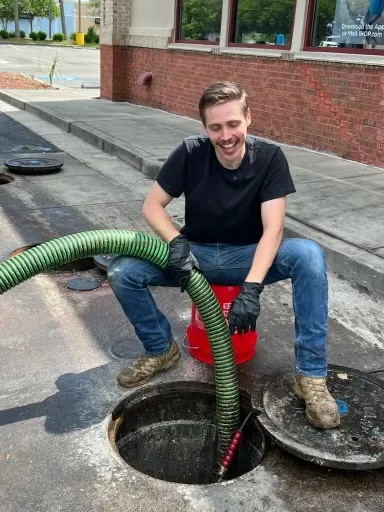
Oil and Grease Management is a family-owned company based in Charleston, SC, specializing in used cooking oil collection, grease trap maintenance, hood cleaning, and line jetting. They serve restaurants and commercial kitchens throughout Charleston and the Carolinas, focusing on sustainable practices and compliance with local regulations. With over 20 years of experience, they offer comprehensive grease trap installation and repair, as well as emergency 24/7 grease and drain services. Their hydro jetting capability helps clear tough blockages and maintain smooth plumbing operations.

Dorchester County Oakbrook Convenience Site
235 Old Fort Dr, Ladson, SC 29456
Dorchester County Oakbrook Convenience Site in Summerville, SC, provides a location for residents to dispose of various types of waste including used cooking oil, garbage, recycling, construction debris, and yard waste. The site is managed by the Solid Waste Division of Public Works, which ensures compliance with state and federal regulations for solid waste disposal. This convenience site supports community recycling efforts and waste management needs in the area.
Why Proper UCO Management is Essential
Improper disposal of fats, oils, and grease (FOG) is a leading cause of sewer blockages and environmental contamination. In Mount Pleasant, like much of South Carolina, rules strictly focus on preventing drain and sewer contamination. Pouring used fryer oil down a sink or into a storm drain can lead to severe plumbing issues, expensive municipal fines, and significant business disruption. Beyond avoiding penalties, a structured grease collection program protects your property, supports local recycling initiatives, and enhances your restaurant's green credentials.
Key Local Regulations and Compliance
Staying compliant involves a few key practices mandated by local ordinances:
- Grease Traps/Interceptors: These devices are mandatory for capturing FOG from dishwashing and pre-rinse sinks. They require regular professional cleaning to function effectively and prevent clogs in your own plumbing and the public sewer system.
- Secure Storage: Used oil must be stored in cool, contained, and locked containers provided by your recycler. This prevents spills, deters theft, and keeps the oil in a condition suitable for recycling.
- Permitted Haulers: You must use a licensed and permitted used cooking oil hauler for collection. These professionals ensure the oil is transported and processed correctly, and they often provide the documentation you need for compliance records 1.
The Step-by-Step Collection and Recycling Process
Implementing a used cooking oil program is straightforward with the right provider. The process typically follows these steps:
- On-Site Storage: After cooking, staff allow the oil to cool safely below 120°F before transferring it from fryers into a provided secure storage tank. These tanks, often ranging from 55 to 300 gallons, are leak-proof and designed for outdoor or indoor use.
- Scheduled Pickup: Your contracted recycler will establish a customized pickup schedule based on your oil volume-this could be weekly, bi-weekly, monthly, or on-demand. Companies use efficient routing to service your location reliably.
- Transport and Processing: The collected oil is transported to a processing facility. There, it is cleaned and converted into valuable products like renewable biodiesel, other biofuels, or ingredients for animal feed, completing the recycling loop.
Financial Considerations: Cost vs. Revenue
A major advantage of professional used cooking oil collection in Mount Pleasant is that it often operates as a revenue stream or a cost-neutral service, rather than an expense.
- Potential Rebates: Many recyclers provide their storage tanks and collection services for free and may pay a rebate for high-quality, uncontaminated oil. Rebates can vary but have been noted up to $0.65 per gallon, turning your waste into a minor profit center 2 3 4.
- Significant Savings: The primary financial benefit is avoiding the high costs associated with non-compliance. This includes potential fines from municipal authorities and the much larger expense of emergency plumbing repairs or business interruption due to grease-caused blockages 5 6.
- Service Value: Your contract typically includes the storage tank, regular pickups, and often reporting or grease trap service coordination, providing predictable waste management.
Find the perfect used cooking oil collection companies for your needs
Get personalized recommendations and expert advice
Choosing a Service Provider in Mount Pleasant
Several reputable companies serve the Mount Pleasant and greater South Carolina area. When selecting a partner, consider their reliability, equipment quality, and service transparency.
- Mahoney Environmental: A national provider with local service, offering comprehensive used cooking oil pickup, equipment leasing, and detailed reporting for compliance.
- Liquid Recovery Solutions (LRS): Provides free containers, scheduled pickups, and emphasizes theft prevention with secure locking mechanisms on their storage bins 7 8.
- Eazy Grease: Utilizes technology like AI routing for efficiency, offers secure collection bins, and provides rebates for used oil 9.
When evaluating providers, ask about their pickup schedules, tank security features, rebate structures, and how they handle compliance documentation.
Best Practices for Restaurant Staff
A successful program depends on proper daily handling by your kitchen team.
- Cool Before Handling: Always let oil cool completely in the fryer before attempting to filter or transfer it to prevent burns and fires.
- Use Designated Containers: Pour only used cooking oil into the provided collection tank. Never mix it with water, garbage, or other liquids, as this contaminates the batch and can void rebates.
- Maintain Grease Traps: Ensure kitchen staff are trained to scrape food scraps into trash bins before washing dishes, and schedule regular professional grease trap cleanings to maintain efficiency 10.
The Environmental Impact of Recycling
Choosing to recycle your used cooking oil has a direct positive impact. When converted into biodiesel, it burns cleaner than fossil diesel, reducing greenhouse gas emissions and particulate matter. This process gives a second life to a material that would otherwise burden wastewater treatment facilities or landfills. For a community like Mount Pleasant, with its coastal environment, preventing FOG from entering waterways is a crucial part of protecting local ecosystems.
Frequently asked questions
Sources
Footnotes
-
Understanding Cooking Oil Disposal Laws - Allied Renewal - https://www.allied-renewal.com/insights/understanding-cooking-oil-disposal-laws ↩
-
Restaurant Grease Pick Up & Disposal Services in South Carolina - https://www.mahoneyes.com/fryer-oil-disposal-recycling-south-carolina/ ↩
-
Used Cooking Oil Pickup & Recycling Services in South ... - https://www.mahoneyes.com/restaurant-oil-recycling-south-carolina/ ↩
-
Restaurant Used Cooking Oil: Disposal, Recycling & Revenue Guide - https://greaseconnections.com/restaurant-used-cooking-oil-disposal-recycling-revenue-guide/ ↩
-
Used Cooking Oil Disposal: Complete Guide to Grease Pickups - https://greaseconnections.com/used-cooking-oil-disposal-guide-grease-pickups/ ↩
-
Used Cooking Oil Recycling & Pickup for Restaurants | NC, SC, VA - https://grease-cycle.com/ ↩
-
Used Cooking Oil Recycling Company & Grease Trap Services - https://liquidrecover.com/ ↩
-
Grease Disposal & Used Cooking Oil Pickup in North & South Carolina - https://liquidrecover.com/carolinas/ ↩
-
Used Cooking Oil Recycling Service in - South Carolina - https://eazygrease.com/used-cooking-oil-recycling-service-south-carolina/ ↩
-
Grease Collection Service: What is it - Grand Natural Inc - https://www.grandnaturalinc.com/blog/what-is-grease-collection-service.html ↩