Find the Best Used Cooking Oil Collection Companies for Your Business
No obligation • Fast responses • Nationwide coverage

Why you can trust Restaurant Waste Disposal
Restaurant Waste Disposal is a leading U.S. resource for comparing restaurant composting, food-waste recycling, grease trap cleaning, and used cooking oil collection services. Our editorial team researches providers, checks credentials, and organizes unbiased information so operators can make informed decisions. Companies cannot pay to change ratings or placement.
Search providers near you
Top Used Cooking Oil Collection Companies in Charleston, South Carolina Ranked
For any restaurant in Charleston, managing used cooking oil (UCO) is a critical operational and environmental responsibility. Properly recycling this byproduct is not just about cleanliness; it's a key component of sustainable business practices that can enhance kitchen safety, ensure regulatory compliance, and even create a potential revenue stream. Specialized haulers in the Charleston area provide comprehensive services, from supplying secure containers to handling regular pickups, ensuring your oil is responsibly converted into valuable biofuels like biodiesel. Navigating the local rules and finding the right service partner is essential for protecting your plumbing, avoiding fines, and contributing to the city's green initiatives.
Oil and Grease Management
4310 Amsterdam St, North Charleston, SC 29418
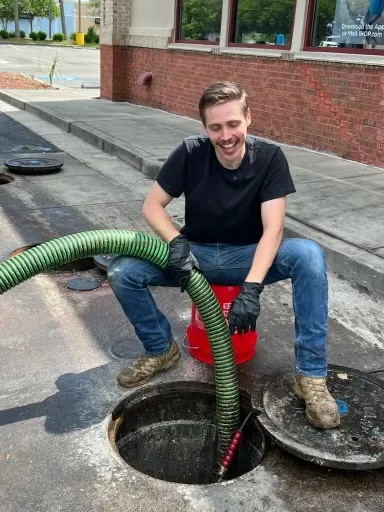
Oil and Grease Management is a family-owned company based in Charleston, SC, specializing in used cooking oil collection, grease trap maintenance, hood cleaning, and line jetting. They serve restaurants and commercial kitchens throughout Charleston and the Carolinas, focusing on sustainable practices and compliance with local regulations. With over 20 years of experience, they offer comprehensive grease trap installation and repair, as well as emergency 24/7 grease and drain services. Their hydro jetting capability helps clear tough blockages and maintain smooth plumbing operations.

Dorchester County Oakbrook Convenience Site
235 Old Fort Dr, Ladson, SC 29456
Dorchester County Oakbrook Convenience Site in Summerville, SC, provides a location for residents to dispose of various types of waste including used cooking oil, garbage, recycling, construction debris, and yard waste. The site is managed by the Solid Waste Division of Public Works, which ensures compliance with state and federal regulations for solid waste disposal. This convenience site supports community recycling efforts and waste management needs in the area.
Why Proper UCO Management is Non-Negotiable
In Charleston, as throughout South Carolina, the improper disposal of fats, oils, and grease (FOG) is a serious concern for municipal infrastructure. Pouring used fryer oil down a drain is a direct violation of state and local regulations designed to protect public sewer systems 1. When FOG cools and solidifies in pipes, it creates severe blockages that can lead to costly backups, environmental contamination, and significant fines for your business. It's important to distinguish between grease trap waste, which collects FOG from sink and floor drains, and used cooking oil from fryers, which must be collected and stored separately for recycling 2. Partnering with a certified hauler is the most reliable way to meet all South Carolina Department of Health and Environmental Control (DHEC) regulations and operate with peace of mind.
The Environmental and Business Case for Recycling
Recycling used cooking oil transforms a waste product into a resource. The oil collected from Charleston kitchens is typically processed at regional facilities, such as Midlands Biofuels, where it is converted into biodiesel-a cleaner-burning alternative fuel 3 4. This process supports the circular economy and reduces reliance on fossil fuels. For your restaurant, the benefits are tangible: a cleaner, safer kitchen environment free from slippery spills and fire hazards associated with improper oil storage. Many collection services structure their programs to be cost-neutral or even profitable for you, offering rebates based on the volume of oil recycled or providing the collection service itself at no charge. This turns a logistical task into a component of your operational efficiency.
A Step-by-Step Guide to Restaurant Oil Collection
Implementing a smooth used cooking oil recycling system in your Charleston restaurant involves a straightforward process.
- Cool and Strain: After use, allow the oil to cool completely in the fryer. Then, strain it to remove food particles and sediment. This step improves the quality of the oil for recycling and helps maintain your storage container.
- Secure Storage: Transfer the cooled, strained oil into the dedicated, leak-proof container provided by your hauler. These are typically durable drums ranging from 55 to 240 gallons in capacity and should be kept in a cool, dry, and accessible location, clearly labeled.
- Scheduled Pickup: Your service provider will establish a pickup schedule-whether weekly, bi-weekly, or on-demand-that matches your kitchen's volume. They handle the transfer of oil from your container directly to their specialized truck.
- Recycling and Conversion: The hauler transports the collected oil to a processing facility. There, it undergoes treatment to become biodiesel, animal feed supplements, or other industrial products, completing the recycling loop.
Understanding Service Structures and Local Providers
Collection services in Charleston are designed to be convenient. Most providers offer the storage containers and equipment at no upfront cost. The financial model can vary: some companies charge a monthly service fee (which can range significantly based on your establishment's volume and pickup frequency), while others offset the cost of collection with a rebate or credit for the oil itself 5 6. It's important to discuss the specific pricing structure during your consultation.
Several established providers serve the Charleston market:
- Mahoney Environmental: A national provider with local service, offering used cooking oil pickup, equipment, and recycling programs tailored for South Carolina restaurants.
- Liquid Recovery Solutions (LRS): Known for automated collection systems, free container provision, and flexible, contract-free service options.
- Grand Natural Inc.: Operates one of the largest networks for used cooking oil collection in the region, with dedicated services for Charleston businesses.
Find the perfect used cooking oil collection companies for your needs
Get personalized recommendations and expert advice
Best Practices for Compliance and Safety
Adhering to best practices ensures your program runs smoothly and keeps you in compliance.
- Never Mix Wastes: Used cooking oil must be kept separate from grease interceptor waste, chemical solvents, or any other liquids.
- Maintain Your Storage Area: Keep the area around your storage container clean and clear of debris to prevent accidents and facilitate easy pickup access.
- Keep Records: Maintain logs of your pickup schedules and hauler service reports. This documentation is valuable for demonstrating compliance during health or environmental inspections.
- Train Your Staff: Ensure all kitchen staff are trained on the proper cooling, straining, and transfer procedures to maintain a safe and efficient process.
Getting Started with a Collection Service
Initiating a used cooking oil recycling program for your Charleston restaurant is a simple process. Begin by contacting local haulers like Mahoney Environmental, Liquid Recovery Solutions, or Grand Natural for a free assessment 7 8 9. A representative can evaluate your kitchen's oil output, discuss your specific needs, explain their compliance protocols, and detail their pricing or rebate structure. They will then arrange for the delivery of appropriate storage containers and establish a pickup schedule that integrates seamlessly with your operations, allowing you to reap the safety, environmental, and potential financial benefits immediately.
Frequently asked questions
Sources
Footnotes
-
Restaurant Grease Pick Up & Disposal Services in South Carolina - https://www.mahoneyes.com/fryer-oil-disposal-recycling-south-carolina/ ↩
-
Restaurant Grease & Cooking Oil Recycling Services - https://eazygrease.com/restaurant-grease-cooking-oil-recycling/ ↩
-
Grease Disposal & Used Cooking Oil Pickup in North & South Carolina - https://liquidrecover.com/carolinas/ ↩
-
How One South Carolina City Recycles its Cooking Oil - Waste360 - https://www.waste360.com/food-waste/how-one-south-carolina-city-recycles-its-cooking-oil ↩
-
Used Cooking Oil Recycling Service in - South Carolina - https://eazygrease.com/used-cooking-oil-recycling-service-south-carolina/ ↩
-
Used Cooking Oil Pickup vs Drop-Off-What's Best for Restaurants? - https://www.greaseprosrecycling.com/used-cooking-oil-pickup-vs-drop-off/ ↩
-
Used Cooking Oil Pickup & Recycling Services in South ... - https://www.mahoneyes.com/restaurant-oil-recycling-south-carolina/ ↩
-
Used Cooking Oil Recycling Company & Grease Trap Services - https://liquidrecover.com/ ↩
-
Used Cooking Oil Collection Charleston - https://www.grandnaturalinc.com/locations/used-cooking-oil-recycling-in-charleston.html ↩