
Find the Best Used Cooking Oil Collection Companies for Your Business
No obligation • Fast responses • Nationwide coverage

Why you can trust Restaurant Waste Disposal
Restaurant Waste Disposal is a leading U.S. resource for comparing restaurant composting, food-waste recycling, grease trap cleaning, and used cooking oil collection services. Our editorial team researches providers, checks credentials, and organizes unbiased information so operators can make informed decisions. Companies cannot pay to change ratings or placement.
Search providers near you
Best Used Cooking Oil Collection Companies in South Carolina Ranked
For restaurants and food service businesses in South Carolina, managing used cooking oil (UCO) is a critical operational and environmental responsibility. Proper collection and recycling of this yellow grease are not just best practices but are mandated by state law to prevent sewer blockages, environmental contamination, and costly fines. South Carolina has established clear regulations under the Department of Environmental Services (SCDES) to ensure this waste stream is handled safely and transformed into valuable resources like biodiesel and animal feed. This guide outlines the legal requirements, practical steps for compliance, and the potential financial implications of establishing a reliable used cooking oil collection program.
Oil and Grease Management
4310 Amsterdam St, North Charleston, SC 29418
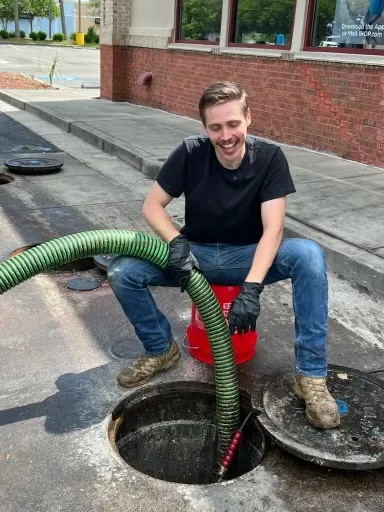
Oil and Grease Management is a family-owned company based in Charleston, SC, specializing in used cooking oil collection, grease trap maintenance, hood cleaning, and line jetting. They serve restaurants and commercial kitchens throughout Charleston and the Carolinas, focusing on sustainable practices and compliance with local regulations. With over 20 years of experience, they offer comprehensive grease trap installation and repair, as well as emergency 24/7 grease and drain services. Their hydro jetting capability helps clear tough blockages and maintain smooth plumbing operations.
Providence Environmental Inc
312 Sharpe Rd, Columbia, SC 29203
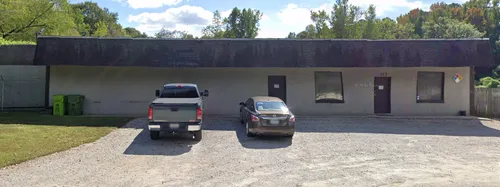
Providence Environmental Inc is based in Columbia, SC, and specializes in used cooking oil collection, grease trap cleaning, and industrial cleaning services. They serve a wide range of customers, including restaurants and government projects, across the southeastern United States. With 20 years of experience, Providence Environmental manages restaurant waste, focusing on oil and grease removal to support environmental protection and customer needs.

Dorchester County Oakbrook Convenience Site
235 Old Fort Dr, Ladson, SC 29456
Dorchester County Oakbrook Convenience Site in Summerville, SC, provides a location for residents to dispose of various types of waste including used cooking oil, garbage, recycling, construction debris, and yard waste. The site is managed by the Solid Waste Division of Public Works, which ensures compliance with state and federal regulations for solid waste disposal. This convenience site supports community recycling efforts and waste management needs in the area.
South Carolina's Legal Framework for Used Oil
In South Carolina, used cooking oil is regulated under the state's "used oil" rules, which classify it as a recyclable material, not a waste. The primary goal of these regulations is to prevent environmental harm by keeping oil out of landfills and waterways. The SCDES enforces these rules, which apply to any business generating used oil, including restaurants, cafeterias, and food processors. 1 2
Key statewide prohibitions make it illegal to:
- Dispose of used cooking oil in municipal solid waste (i.e., regular trash destined for a landfill).
- Pour used oil down drains, sewers, or onto the ground.
- Use used oil for dust control or weed suppression. 3
Violations of these disposal bans can result in significant penalties, including fines from local municipalities and state agencies. Furthermore, improper disposal into sewers contributes to fat, oil, and grease (FOG) buildup, leading to sanitary sewer overflows (SSOs) that can trigger additional enforcement actions and remediation costs. 4
On-Site Storage Requirements for Restaurants
Proper on-site storage is the first line of defense for compliance and safety. South Carolina regulations specify how used cooking oil must be stored before a licensed collector picks it up.
- Containers: Oil must be kept in sturdy, aboveground containers that are in good condition-free from leaks, severe rust, or deterioration. Common containers include dedicated collection bins or drums provided by your recycling service.
- Labeling: All containers must be clearly marked with the words "Used Oil" to prevent accidental misuse or improper disposal. 5
- Containment: Containers must be kept closed with a secure lid when not in use to prevent spills, evaporation, and contamination from rainwater. For larger storage setups or transfer areas, secondary containment systems (like a dike or berm) may be required to catch any potential leaks or spills. 6 7
Following these storage rules minimizes fire hazards, prevents pests, and ensures the oil remains a high-quality feedstock for recyclers, which can impact the financial terms of your service agreement.
The Collection and Transportation Process
You cannot transport your used cooking oil for recycling unless you are a registered used oil transporter. Therefore, partnering with a licensed, permitted collection service is not just convenient-it's a legal necessity for most businesses.
Licensed transporters and transfer facilities in South Carolina must:
- Register with the SCDES.
- Maintain detailed records (often via manifests) tracking the amount of oil collected, its source, and its destination.
- Submit annual reports to the state. 8 9
When you contract with a service provider, they will typically supply compliant collection containers and establish a pickup schedule based on your volume of oil production. They are responsible for transporting the oil to a permitted processing or recycling facility. This chain of custody documentation is crucial for regulatory compliance and ensures the oil is truly recycled. Reputable providers in South Carolina include companies like Mahoney Environmental, Allied Renewal, and Liquid Recovery Solutions. 10
Find the perfect used cooking oil collection companies for your needs
Get personalized recommendations and expert advice
Understanding Costs and Potential Rebates
The financial model for used cooking oil collection in South Carolina typically operates in one of two ways: a rebate program or a fee-for-service structure. The model you encounter depends largely on the volume and quality of oil your kitchen produces.
- Rebate Programs: Restaurants that generate significant volumes of clean, uncontaminated used cooking oil are often eligible for a rebate. The collection company purchases the oil from you because it has high value for conversion into biodiesel. Rebates can range from $0.25 to $0.50 per gallon, with higher rates possible for very large volumes (e.g., from five or more active fryers) or exceptionally clean oil. 11 12
- Fee-for-Service: Smaller establishments or those whose oil is frequently contaminated with food debris, water, or other materials may pay for collection service. Contaminated oil has lower recycling value and costs more to process. Fees can be structured as a monthly service charge (which may range from $35 to $120) or a per-pickup fee (which might start around $75 to $125). Contamination often incurs additional surcharges. 13 14 15
It's important to scrutinize service contracts. A "free" pickup service may offset its costs by claiming all rebate revenue from your oil, which could be less advantageous than a transparent fee structure or a direct rebate share.
Choosing a Service Provider in South Carolina
Selecting the right partner is essential for seamless operations and compliance. When evaluating used cooking oil collection services, consider the following:
- Verify Licensing: Confirm the provider is a registered used oil transporter with the SCDES. They should be able to provide proof of compliance.
- Review Service Offerings: Do they provide locked, durable collection containers? Is their pickup schedule reliable and flexible? What is their service area within South Carolina (e.g., Upstate, Midlands, Lowcountry)?
- Understand the Financial Terms: Is the agreement a rebate program or a service fee? Get all pricing, potential surcharges (especially for contamination), and contract terms in writing.
- Ask About Sustainability: Inquire where the oil goes. Reputable providers will have partnerships with biodiesel refiners or other certified recycling end markets.
- Check References: A reliable provider with a strong local reputation, such as Allied Renewal or Liquid Recovery Solutions, will have a track record of dependable service and regulatory knowledge. 16 17 18
By establishing a partnership with a qualified provider, you turn a regulated waste into a managed resource, ensuring your South Carolina business operates sustainably and in full compliance with state environmental laws.
Frequently asked questions
Sources
Footnotes
-
South Carolina's Waste Oil Laws You Should Know - https://energylogic.com/south-carolinas-waste-oil-laws-know/ ↩
-
Understanding Cooking Oil Disposal Laws - Allied Renewal - https://www.allied-renewal.com/insights/understanding-cooking-oil-disposal-laws ↩
-
South Carolina Code Section 44-96-160 (2024) - Used oil. - https://law.justia.com/codes/south-carolina/title-44/chapter-96/section-44-96-160/ ↩
-
Why Proper Used Cooking Oil Disposal Matters for Charleston ... - https://ogmgt.com/why-proper-used-cooking-oil-disposal-matters-for-charleston-restaurants/ ↩
-
S.C. Code Regs. § 61-107.279.E.45 - Used Oil Storage at ... - https://www.law.cornell.edu/regulations/south-carolina/R-61-107-279-E.45 ↩
-
South Carolina's Waste Oil Laws You Should Know - https://energylogic.com/south-carolinas-waste-oil-laws-know/ ↩
-
South Carolina Code Section 44-96-160 (2024) - Used oil. - https://law.justia.com/codes/south-carolina/title-44/chapter-96/section-44-96-160/ ↩
-
Used Oil | South Carolina Department of Environmental Services - https://des.sc.gov/programs/bureau-land-waste-management/solid-waste/used-oil ↩
-
Registration Application Used Oil Transporter and Transfer Facility - https://des.sc.gov/sites/des/files/Library/D-2716.pdf ↩
-
Used Cooking Oil Pickup & Recycling Services in South ... - https://www.mahoneyes.com/restaurant-oil-recycling-south-carolina/ ↩
-
Darlington SC | Used Cooking Oil Recycling | Get Paid - https://grease-cycle.com/south-carolina/darlington-used-cooking-oil-recycling/ ↩
-
Understanding the Used Cooking Oil Price: Trends and Insights for 2025 - https://eazygrease.com/used-cooking-oil-price/ ↩
-
Grease & Used Cooking Oil Disposal & Pickup | Roswell - https://liquidrecover.com/grease-used-cooking-oil-disposal-and-pickup-in-roswell-ga/ ↩
-
Why "Free" Used Cooking Oil Collection Can Cost More Than ... - https://greaseconnections.com/free-used-oil-pickup-cost-trap/ ↩
-
Used Cooking Oil Pricing & Business Guide - Grease Connections - https://greaseconnections.com/used-cooking-oil-pricing-guide/ ↩
-
How Should Businesses Dispose of Used Cooking Oil? - https://www.allied-renewal.com/insights/how-should-businesses-dispose-of-used-cooking-oil ↩
-
Allied Renewal: Cooking Oil Disposal - https://www.allied-renewal.com/ ↩
-
South Carolina - Liquid Recovery Solutions - https://liquidrecover.com/our-locations/used-cooking-oil-recycling-in-south-carolina/ ↩