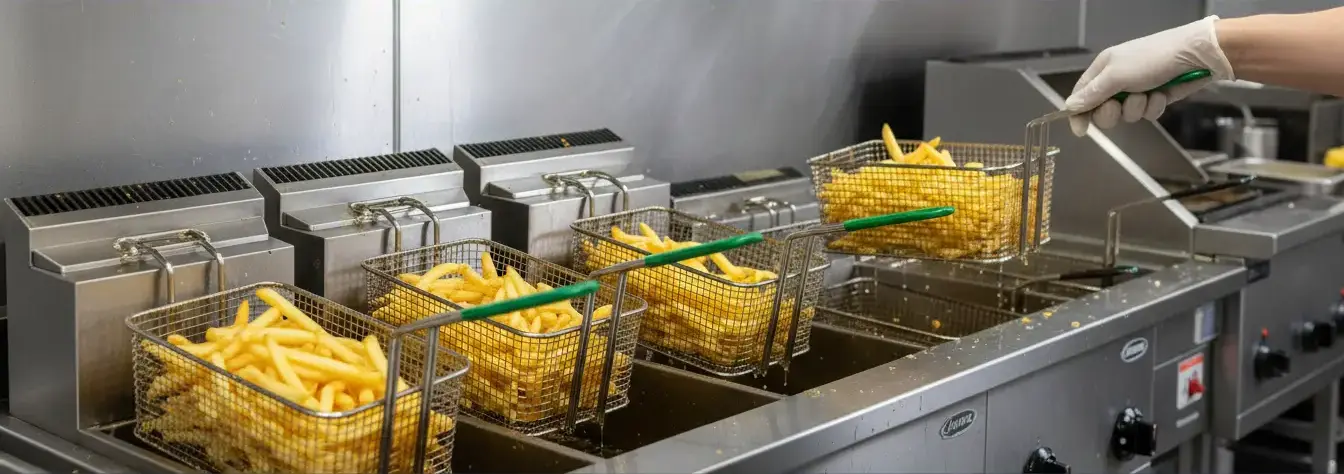
Find the Best Used Cooking Oil Collection Companies for Your Business
No obligation • Fast responses • Nationwide coverage

Why you can trust Restaurant Waste Disposal
Restaurant Waste Disposal is a leading U.S. resource for comparing restaurant composting, food-waste recycling, grease trap cleaning, and used cooking oil collection services. Our editorial team researches providers, checks credentials, and organizes unbiased information so operators can make informed decisions. Companies cannot pay to change ratings or placement.
Search providers near you
Top Used Cooking Oil Collection Companies in Reading, Pennsylvania Ranked
For restaurants and commercial kitchens in Reading, managing used cooking oil (UCO) is a critical operational and environmental responsibility. Proper grease disposal and recycling are not just about cleanliness; they are mandated by Pennsylvania law to protect the city's sewer infrastructure and waterways. By partnering with a licensed hauler for used cooking oil pickup, Reading businesses can ensure compliance, avoid significant fines, and contribute to a circular economy where waste oil is transformed into valuable products like biodiesel. This service is often low-cost or even revenue-generating, turning a waste product into a potential asset for your operation.
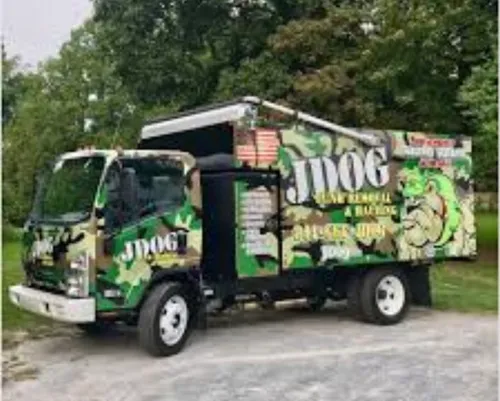
Why Proper UCO Disposal is Non-Negotiable in Reading
In Pennsylvania, the disposal of used cooking oil and grease is strictly regulated. Dumping these materials down drains, into sewers, or with regular trash is illegal and can lead to severe consequences for businesses and the community.
- Legal Compliance: The Pennsylvania Used Oil Recycling Act requires commercial establishments to have an adequate recycling program for their used oil 1 2. This means you must arrange for proper collection and recycling, not disposal.
- Avoid Costly Fines: Illegally discharging fats, oils, and grease (FOG) into the sewer system is a primary cause of blockages and sanitary sewer overflows. The City of Reading and state authorities can levy serious fines against businesses that violate these regulations 3 4.
- Environmental Stewardship: Proper recycling prevents contamination of local waterways like the Schuylkill River. When UCO is collected for recycling, it is kept out of landfills and wastewater systems, supporting Reading's sustainability goals.
How Used Cooking Oil Collection Services Work
Partnering with a professional used cooking oil collection company simplifies compliance and creates a seamless, hands-off process for your kitchen staff. Here's a typical workflow:
- Contracting a Service: You establish an agreement with a licensed hauler that services Berks County. They will assess your volume needs and service frequency.
- Provision of Equipment: The hauler will provide secure, dedicated storage containers, such as 55-gallon drums or larger outdoor tanks (often 300+ gallons), at no upfront cost 5 6. These are placed in an accessible, well-ventilated area, either indoors or outdoors.
- Safe Oil Handling: After frying, oil should be allowed to cool completely (below 120°F is a common safety guideline) before being carefully transferred to the provided storage container. Keeping the oil free from food debris and water improves its quality and value.
- Scheduled Pickups: The hauler will schedule regular collection visits-weekly, bi-weekly, or monthly-based on your production volume. A service technician will pump the oil from your storage tank directly into their specialized collection truck.
- Documentation for Compliance: Upon each pickup, you should receive a receipt or manifest. This documentation is your proof of proper recycling and is essential for demonstrating compliance during inspections.
- Recycling into New Products: The collected oil is transported to a processing facility where it is cleaned and converted into renewable resources, primarily biodiesel, but also animal feed supplements and industrial lubricants 7.
Understanding Costs and Potential Revenue
A common misconception is that used cooking oil disposal is a significant expense. In reality, for many Reading restaurants, the service operates on a very different model.
- Free or Low-Cost Pickup: For establishments generating smaller volumes (typically under 100 gallons per month), many collection companies offer pickup at little to no charge because the value of the recycled commodity covers their service costs.
- Rebate Programs: This is where your used oil can become an asset. For restaurants with higher volume output (e.g., 300+ gallons per month), haulers often offer rebate programs. The rebate rate depends on the quality and market price of the oil, but can range from $0.10 to $0.65 per gallon 8.
- Offsetting Costs: For high-volume producers, these rebates can completely offset the cost of the collection service and, in some cases, even generate a modest revenue stream. The key is maintaining clean, uncontaminated oil to maximize its value.
Find the perfect used cooking oil collection companies for your needs
Get personalized recommendations and expert advice
Best Practices for On-Site Oil Management
Maximizing safety, efficiency, and the value of your used oil starts with proper handling in your own kitchen.
- Cool Completely: Never transfer hot oil. Allow it to cool in the fryer to a safe temperature to prevent burns and damage to storage containers 9.
- Prevent Contamination: Use filters to remove food particles during regular fryer maintenance. Avoid letting water or cleaning agents mix with the used oil, as this severely degrades its quality for recycling.
- Secure Storage: Always use the lidded, purpose-built containers provided by your hauler. Keep them in a designated area to prevent spills, accidents, or tampering. Secure storage also prevents theft, as used cooking oil has a market value.
- Track Your Volume: Have a rough idea of how much oil you use and dispose of monthly. A typical restaurant reuses frying oil 3 to 5 times before it needs to be changed out for quality reasons 10. Tracking this helps ensure your service schedule and container size are adequate.
Choosing a Used Cooking Oil Collector in Reading
Not all service providers are the same. When evaluating companies for grease trap cleaning or used oil collection, consider these factors:
- Proper Licensing: Verify the hauler is fully licensed and insured to collect and transport used cooking oil in Pennsylvania. This is your first line of defense for ensuring legal and environmentally sound disposal 11.
- Service Reliability: Look for a company with a reputation for consistent, on-time pickups. Overflowing storage bins are a safety hazard and compliance risk.
- Transparent Agreements: Understand the terms of your contract. Is there a fee? Is there a rebate? How is the oil quality assessed? Clear documentation should accompany every service.
- Local Knowledge: A provider familiar with Reading and Berks County will understand local municipal requirements and can offer tailored advice for compliance.
Implementing a professional used cooking oil recycling program is a straightforward step that safeguards your business from regulatory penalties, contributes to local environmental health, and can improve your bottom line. It transforms a routine waste task into a responsible and potentially beneficial part of your operations.
Frequently asked questions
Sources
Footnotes
-
Section 7 - PENNSYLVANIA USED OIL RECYCLING ACT - https://www.palegis.us/statutes/unconsolidated/law-information/view-statute?SESSYR=1982&SESSIND=0&ACTNUM=89&SMTHLWIND=&CHPT=&SCTN=7&SUBSCTN= ↩
-
PENNSYLVANIA USED OIL RECYCLING ACT - PA General Assembly - https://www.legis.state.pa.us/WU01/LI/LI/US/HTM/1982/0/0089..HTM ↩
-
Restaurant Oil Disposal: Explained - Eazy Grease - https://eazygrease.com/how-do-restaurants-get-rid-of-their-oil/ ↩
-
Commercial Trash & Recycling - ReadingPA.gov - https://www.readingpa.gov/commercial-trash-recycling ↩
-
Used Cooking Oil (UCO) Collection Service For Restaurants - https://thegreasecompany.com/blog/restaurant-used-cooking-oil-collection/ ↩
-
Used Cooking Oil Disposal: Complete Guide to Grease Pickups - https://greaseconnections.com/used-cooking-oil-disposal-guide-grease-pickups/ ↩
-
Used Cooking Oil Collection & Recycling - D&W Alternative Energy - https://dandwalternativeenergy.com/used-cooking-oil-collection/ ↩
-
Restaurant Used Cooking Oil Recycling & Disposal Guide - https://greaseconnections.com/restaurant-used-cooking-oil-disposal-recycling-revenue-guide/ ↩
-
How to Recycle Used Cooking Oil and Grease for Residents and Restaurants - https://mopac.com/2024/02/12/how-to-recycle-used-cooking-oil-and-grease-for-residents-and-restaurants-3/ ↩
-
Used Cooking Oil Pickup vs Drop-Off - GreasePros Recycling - https://www.greaseprosrecycling.com/used-cooking-oil-pickup-vs-drop-off/ ↩
-
Commercial Cooking Oil Disposal & Recycling Options (2025 Guide) - https://greaseconnections.com/commercial-cooking-oil-disposal-recycling-options/ ↩