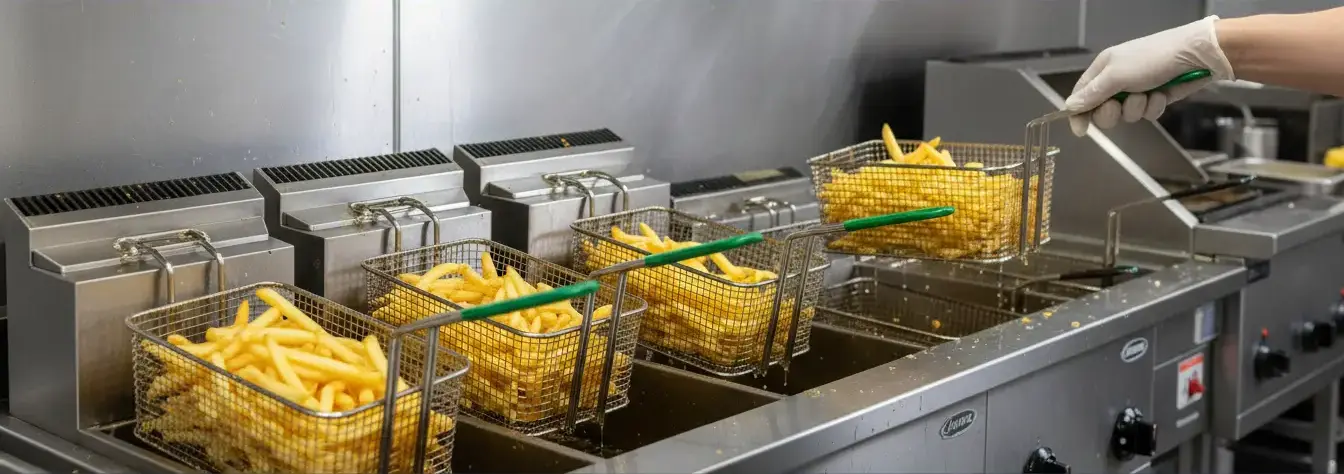
Find the Best Used Cooking Oil Collection Companies for Your Business
No obligation • Fast responses • Nationwide coverage

Why you can trust Restaurant Waste Disposal
Restaurant Waste Disposal is a leading U.S. resource for comparing restaurant composting, food-waste recycling, grease trap cleaning, and used cooking oil collection services. Our editorial team researches providers, checks credentials, and organizes unbiased information so operators can make informed decisions. Companies cannot pay to change ratings or placement.
Search providers near you
Top Used Cooking Oil Collection Companies in Pittsburgh, Pennsylvania Ranked
For any restaurant or food service operation in Pittsburgh, managing used cooking oil (UCO) is far more than a messy chore-it's a critical component of daily operations, regulatory compliance, and environmental responsibility. Proper collection and recycling of this liquid byproduct are mandated by local health codes and the Pennsylvania Department of Environmental Protection (PA DEP) to protect the city's sewer infrastructure and waterways. Fortunately, Pittsburgh's food industry is supported by a network of specialized service providers who streamline the entire process, from providing secure storage containers to scheduling regular pickups and ensuring the oil is recycled into valuable biofuels. This system not only keeps kitchens safe and compliant but also contributes to a circular economy right here in Western Pennsylvania.
Local Regulations and Storage Requirements
Navigating the rules for grease and oil management is the first step for any Pittsburgh food establishment. The city's health and building codes, aligned with state environmental regulations, require all facilities that generate fats, oils, and grease (FOG) to implement control measures. This isn't just a suggestion-it's a mandatory part of operating a restaurant to prevent costly and unsanitary sewer blockages1 2.
Secure Storage Solutions
A cornerstone of compliant oil management is proper on-site storage. You cannot simply leave used fryer oil in open buckets or makeshift containers. Professional collectors typically provide heavy-duty, leak-proof storage bins or tanks designed specifically for this purpose 3. These containers often feature locking lids, which serve a dual purpose: preventing spills or contamination and deterring theft, which is a surprisingly common issue for a commodity that can be converted into cash4.
- Indoor Systems: For kitchens with limited space, compact, closed-loop systems can be installed. These often connect directly to fryers for automatic, clean transfer of spent oil.
- Outdoor Tanks: Larger operations may utilize exterior storage tanks. These are designed to be durable, secure, and easily accessible for collection trucks.
The key is to work with your provider to select a storage solution that fits your volume, kitchen layout, and security needs, ensuring you're prepared for any health inspector's visit.
The Collection and Recycling Process
Once you have a secure storage system in place, the collection process becomes a seamless, scheduled part of your back-of-house operations. Professional grease collection services handle the logistics, turning a potential waste problem into a resource.
Scheduled Pickups and Handling
Companies like Mahoney Environmental and Grand Natural operate on regular schedules, often determined by your oil production volume. The process is straightforward: your staff drains cooled oil from fryers into the provided secure container. On pickup day, a service technician will collect the full container, leave a clean, empty one in its place, and transport the oil away for processing. More advanced, automated systems from providers like Restaurant Technologies (RTI) can even manage the transfer from fryer to storage tank without manual handling, enhancing safety and efficiency.
From Waste to Biofuel
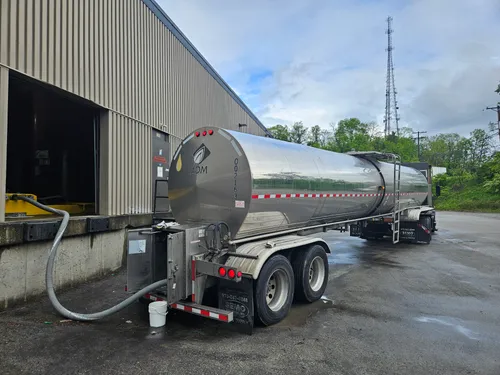
This is where the environmental impact shines. The collected UCO doesn't go to a landfill. Instead, it is transported to regional processing facilities where it is cleaned and converted. This recycled oil becomes a primary feedstock for biodiesel, renewable diesel, and even sustainable aviation fuel (SAF) 5. By participating in a professional collection program, Pittsburgh restaurants directly support the renewable energy sector and reduce the region's reliance on fossil fuels.
Compliance and Record-Keeping
A significant benefit of using a professional service is compliance support. Reputable collectors help you maintain the necessary records-such as pickup dates and volumes-that demonstrate adherence to local FOG ordinances and PA DEP guidelines during inspections.
Find the perfect used cooking oil collection companies for your needs
Get personalized recommendations and expert advice
Understanding Costs and Value
The financial model for used cooking oil collection in Pittsburgh can vary, but it generally operates on a spectrum between a service cost and a potential revenue stream. It's important to understand the factors at play.
- Service-Fee Model: Many providers offset the cost of providing containers, maintenance, and scheduled pickups with the value of the oil itself. In some cases, if your volume is consistently high, this can result in a free or low-cost service agreement6.
- Revenue Potential: Depending on market conditions and the quality of your oil, some companies may pay for your UCO. Payment rates can fluctuate but often reference market prices for feedstock, which have historically ranged in the dollars-per-gallon territory7. It's crucial to clarify the terms of any agreement, as payment structures differ.
- Comprehensive Management Fees: Providers offering full-service solutions, including automated equipment, oil delivery, and waste oil collection, typically charge a comprehensive management fee. This model prioritizes predictability and hands-off operation for the restaurant.
The best approach is to discuss your specific volume and needs with providers to get a clear picture of the cost structure, whether it involves a fee, a rebate, or a break-even service.
Key Service Providers in Pittsburgh
Several established companies serve the Pittsburgh market, each offering slightly different models and services. Here are a few key players:
- Mahoney Environmental: A national provider with local service, Mahoney handles UCO pickup, recycling, and can provide various storage system options8.
- Grand Natural / Grand Natural Inc.: This provider emphasizes scheduled pickups, secure container provision, and often pairs UCO collection with related services like grease trap cleaning.
- Restaurant Technologies (RTI): RTI focuses on a total management system, providing automated equipment for both fresh oil delivery and waste oil collection, all for a managed service fee9.
- Steel City Grease Traps: As the name implies, this company offers grease trap services alongside used cooking oil collection, providing a bundled solution for FOG management10.
Choosing a provider involves evaluating their service model, container options, pickup frequency, and reputation for reliability and compliance assistance.
Integrating Oil Collection into Broader Waste Management
Used cooking oil collection shouldn't exist in a vacuum. It is one pillar of a comprehensive hazardous waste and FOG management plan for your restaurant. This plan should also address:
- Grease Trap Maintenance: Interceptors and traps are legally required to capture FOG before it enters drains. They require regular pumping and cleaning by a licensed service.
- Solid Waste and Composting: Coordinating oil pickups with other waste and recycling streams can improve back-of-house efficiency.
- Staff Training: Ensuring all kitchen staff understand the procedures for safely handling and storing used oil is essential for safety and compliance.
By viewing used oil not as waste but as a managed resource, Pittsburgh restaurants can achieve operational, environmental, and regulatory goals simultaneously.
Frequently asked questions
Sources
Footnotes
-
Used Cooking Oil Pickup and Recycling Services in Pittsburgh - https://www.grandnatural.com/locations/used-cooking-oil-recycling-in-pittsburgh.html ↩
-
Pittsburgh Grease Trap Maintenance: Essential Guide For Facility ... - https://www.myshyft.com/blog/grease-trap-cleaning-pittsburgh-pennsylvania/ ↩
-
How to Recycle Used Cooking Oil and Grease for Residents and Restaurants - https://www.mopac.com/2024/02/12/how-to-recycle-used-cooking-oil-and-grease-for-residents-and-restaurants-3/ ↩
-
Navigating Legal Requirements for Used Cooking Oil Disposal - https://bakercommodities.com/blog/2024/02/08/legal-requirement-used-cooking-grease/ ↩
-
Recycling Used Cooking Oil With Green Grease Environmental - https://www.youtube.com/watch?v=KP05Yx-GkHk ↩
-
Used Cooking Oil Collection Pittsburgh - https://www.grandnaturalinc.com/locations/used-cooking-oil-recycling-in-pittsburgh.html ↩
-
Used Cooking Oil Pricing & Business Guide - Grease Connections - https://greaseconnections.com/used-cooking-oil-pricing-guide/ ↩
-
Used Cooking Oil Pickup & Recycling Services in Pittsburgh, PA - https://www.mahoneyes.com/restaurant-oil-recycling-pittsburgh-pa/ ↩
-
Cooking Oil Recycling & Disposal Pittsburgh - https://www.rti-inc.com/pittsburgh/ ↩
-
Cooking Oil Collection | Pittsburgh, PA | Steel City - https://www.steelcitygreasetrap.com/commercial-cooking-oil-collection ↩