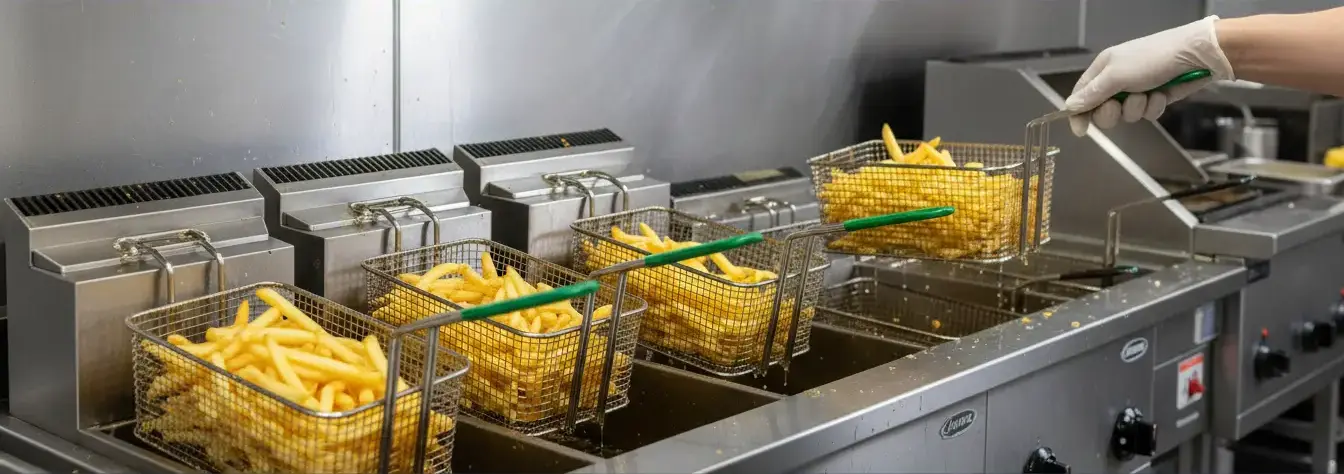
Find the Best Used Cooking Oil Collection Companies for Your Business
No obligation • Fast responses • Nationwide coverage

Why you can trust Restaurant Waste Disposal
Restaurant Waste Disposal is a leading U.S. resource for comparing restaurant composting, food-waste recycling, grease trap cleaning, and used cooking oil collection services. Our editorial team researches providers, checks credentials, and organizes unbiased information so operators can make informed decisions. Companies cannot pay to change ratings or placement.
Search providers near you
Best Used Cooking Oil Collection Companies in Pennsylvania Ranked
For Pennsylvania restaurants, managing used cooking oil (UCO) is more than a kitchen cleanup task-it's a regulated environmental responsibility with significant operational implications. Proper collection and recycling of UCO are mandated by state law, designed to protect local waterways and convert a waste product into valuable resources like biodiesel. Partnering with a licensed collector ensures compliance with Pennsylvania's specific storage, transportation, and record-keeping rules, turning a potential liability into an opportunity for positive environmental impact and potential cost recovery.
Philadelphia Hood Cleaning Commercial Kitchen Cleaners
Philadelphia, PA
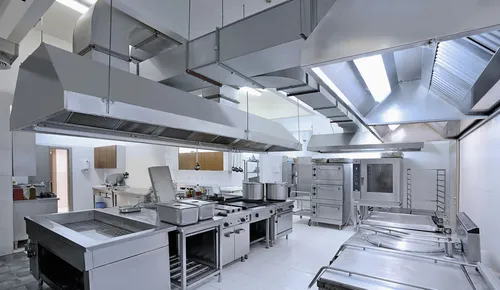
Philadelphia Hood Cleaning Commercial Kitchen Cleaners provides grease trap cleaning, used cooking oil collection, and kitchen exhaust hood cleaning services in Philadelphia, PA. They serve a variety of commercial kitchens including restaurants, bars, and fast-food establishments, focusing on grease removal and maintenance to prevent blockages and regulatory issues. Their experienced technicians use professional equipment to clean grease traps, exhaust hoods, and manage used cooking oil while ensuring compliance with environmental and safety regulations. The company has decades of experience and offers regular maintenance contracts to help clients avoid emergencies and pass inspections.
Eden Green Energy
805 B W 2nd St, Chester, PA 19013
Eden Green Energy is a used cooking oil collection company based in Philadelphia, PA. They specialize in collecting used cooking oil from businesses in the area. The company focuses on environmentally responsible disposal and recycling of cooking oil.
Restaurant Technologies
870 Calcon Hook Rd, Sharon Hill, PA 19079
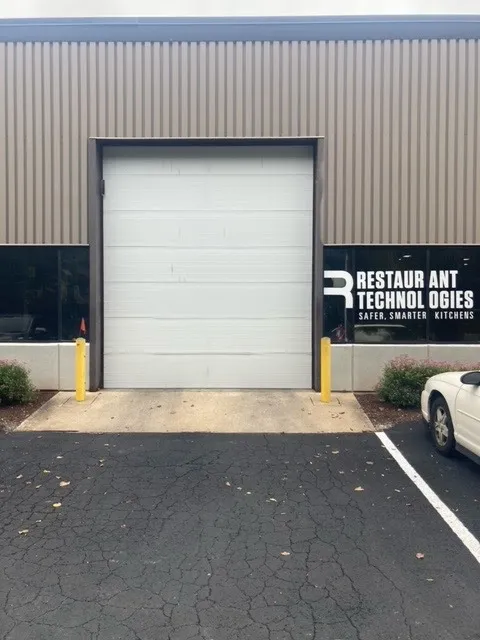
Restaurant Technologies is a used cooking oil collection company based in Philadelphia, PA. They offer an automatic cooking oil delivery and recycling system designed to reduce hazards and labor associated with manual oil management in commercial kitchens. Their Total Oil Management service includes installing tanks for fresh and waste oil, automatic fryer controls, and scheduled delivery and recycling, all monitored remotely. This closed-loop system supports sustainability initiatives by safely recycling used cooking oil and improving kitchen safety by minimizing direct handling of hot oil.
Restaurant Technologies
9010 Rico Dr, Monroeville, PA 15146
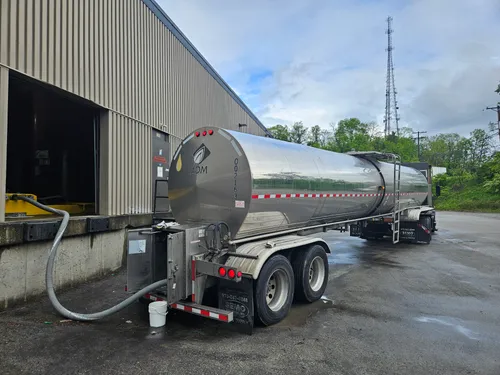
Restaurant Technologies is based in Pittsburgh, PA, offering used cooking oil collection and recycling services tailored for commercial kitchens. They provide an automated system that delivers fresh cooking oil and collects used oil safely through installed tanks connected to fryers, minimizing manual handling and improving kitchen safety. Their Total Oil Management system includes oil delivery, filtration, monitoring, and recycling, all managed remotely to fit each client's schedule and usage. The company operates from a depot in Pittsburgh and focuses on sustainable oil solutions to support restaurant operations.
Understanding Pennsylvania's Used Cooking Oil Regulations
Pennsylvania's framework for managing used cooking oil is established under the Used Oil Recycling Act (Act 89 of 1982) and detailed in 25 Pa. Code Chapter 298. These regulations classify used cooking oil as a "waste oil" and set clear standards for its handling from the moment it leaves the fryer to its final recycling destination. The primary goal is to prevent environmental contamination, particularly of the state's abundant waterways, by ensuring oil is never dumped down drains, into trash, or on the land.
The rules create a "cradle-to-grave" tracking system, placing responsibilities on both the generator (the restaurant) and the service providers. Non-compliance can result in significant penalties, making it essential for food service operators to understand their legal obligations. The key regulatory pillars involve proper storage, licensed transportation, mandatory recycling, and meticulous record-keeping.
Storage Requirements for Restaurants
Before pickup, used oil must be stored safely on your premises. Pennsylvania regulations specify that storage containers or tanks must be:
- In good condition and leak-proof: Containers must be structurally sound with no rust, cracks, or defects that could lead to spills.
- Clearly labeled: Tanks and containers should be marked as "Waste Oil" or "Used Cooking Oil" to prevent accidental misuse.
- Stored in a secure location: Placement should be away from storm drains, sanitary sewers, and regular waste disposal areas to prevent accidental contamination 1.
Proper storage not only keeps you in compliance but also simplifies the collection process for your service provider and minimizes pests and odors on your property.
Transportation and the Role of Licensed Collectors
You cannot transport large quantities of used cooking oil for disposal yourself. Pennsylvania law requires that waste oil be transported only by licensed haulers using properly marked vehicles. This is a critical step in the compliance chain. A reputable, licensed collector will:
- Provide you with a waste oil manifest for each pickup.
- Transport the oil in vehicles clearly identified for waste oil transport.
- Deliver the oil only to permitted recycling or processing facilities 2.
By contracting with a licensed provider, you transfer the legal responsibility for safe transport and final destination to them, provided you keep your copies of the manifests.
Mandatory Record-Keeping (Manifest System)
Documentation is a cornerstone of Pennsylvania's program. For every pickup, your collector should provide a manifest detailing:
- The quantity of oil collected.
- The date of collection.
- The name and license number of the transporter.
- The designated recycling facility destination.
Restaurants are required to maintain these records for a minimum of five years 3. This paper trail is your proof of proper disposal and will be essential if your compliance is ever reviewed. Well-organized records demonstrate due diligence and responsible waste management.
The Environmental and Economic Benefits of Proper UCO Recycling
Beyond avoiding fines, proper used cooking oil collection offers substantial benefits. Environmentally, it prevents sewer blockages and costly backups, protects aquatic ecosystems from pollution, and reduces the burden on landfills 4. Economically, recycling UCO supports a circular economy. The collected oil is refined into biodiesel, a cleaner-burning renewable fuel, or used in other products like animal feed supplements and industrial lubricants 5.
This recycling process conserves virgin resources and contributes to Pennsylvania's green economy. For many restaurants, this isn't just about disposal-it's about participating in a sustainable loop that turns kitchen waste into local energy.
Costs and Service Models for Pennsylvania Restaurants
The financial model for used cooking oil collection can vary. Many providers offer services structured to make recycling accessible and even profitable for restaurants:
- Free Pickup with Revenue Share: For establishments generating consistent, high volumes of clean, uncontaminated oil, many collectors offer free regular pickup and may even share a portion of the revenue generated from the recycled oil6. The oil is a commodity, and its value can offset service costs.
- Service Fee Models: Smaller volumes or oil that is heavily contaminated with water, food sediment, or other fats, oils, and grease (FOG) may incur a service fee. This is because processing contaminated oil is more costly for the recycler7 8.
- Container Provision: Reputable services often supply and maintain the storage containers or tanks at no upfront cost, as part of their service agreement9.
It's important to distinguish used cooking oil from grease trap waste. They are separate waste streams with different handling requirements. While UCO comes directly from fryers and cooktops, grease trap waste is the congealed fat and solids intercepted by plumbing traps. Both require professional management, but they are typically serviced by different specialists or under separate service agreements.
Find the perfect used cooking oil collection companies for your needs
Get personalized recommendations and expert advice
Choosing a Licensed Used Cooking Oil Collector in PA
Selecting the right partner is crucial for seamless compliance and service. Look for a provider that:
- Holds Valid Pennsylvania Licenses: Verify they are licensed as waste oil transporters in the state.
- Provides Clear Documentation: They should automatically supply detailed manifests for every collection.
- Offers Reliable, Scheduled Service: Consistent pickups prevent overflows and storage issues.
- Transparently Explains Costs: The agreement should clearly state any fees or revenue-sharing terms.
- Services Your Specific Area: Ensure they operate reliably in your city or region, whether you're in Philadelphia, Pittsburgh, or a more rural area.
A trustworthy collector acts as an extension of your operations, handling the logistics and regulatory complexities so you can focus on running your restaurant.
Consequences of Improper Disposal
The risks of non-compliance are serious. Illegally dumping used cooking oil down drains leads to sewer clogs, which can cause backups into your own facility or the municipal system, resulting in expensive cleanup fees and fines from your local water authority. Disposing of oil with regular trash is also illegal and can lead to violations from the Pennsylvania Department of Environmental Protection (DEP)10.
Beyond financial penalties, improper disposal harms the environment, damaging local waterways and wildlife. It also poses a significant reputational risk in an era where consumers increasingly support businesses with verifiable sustainable practices.
Frequently asked questions
Sources
Footnotes
-
25 Pa. Code § 298.22 - Waste oil storage | State Regulations | US Law | LII / Legal Information Institute - https://www.law.cornell.edu/regulations/pennsylvania/25-Pa-Code-SS-298-22 ↩
-
Managing Used Oil: Answers to Frequent Questions for Businesses - https://www.epa.gov/hw/managing-used-oil-answers-frequent-questions-businesses ↩
-
25 Pa. Code Subchapter E. Waste Oil Transporter And Transfer ... - https://www.pacodeandbulletin.gov/Display/pacode?file=/secure/pacode/data/025/chapter298/subchapEtoc.html&d=reduce ↩
-
PENNSYLVANIA USED OIL RECYCLING ACT - https://www.legis.state.pa.us/WU01/LI/LI/US/HTM/1982/0/0089..HTM ↩
-
Fryer Oil Recycling for Restaurants in Philadelphia, PA - https://www.rti-inc.com/blog/restaurant-oil-recycling-philadelphia-pa/ ↩
-
How does a restaurant get paid for used cooking oil? - https://rebirthbiofuels.com/blog/get-paid-for-used-cooking-oil/ ↩
-
Used Cooking Oil Disposal: Complete Guide to Grease Pickups - https://greaseconnections.com/used-cooking-oil-disposal-guide-grease-pickups/ ↩
-
Navigating Legal Requirements for Used Cooking Oil Disposal - https://bakercommodities.com/blog/2024/02/08/legal-requirement-used-cooking-grease/ ↩
-
Used Cooking Oil Collection & Recycling - D&W Alternative Energy - https://dandwalternativeenergy.com/used-cooking-oil-collection/ ↩
-
Used Oil Collection Sites - Commonwealth of Pennsylvania - https://www.pa.gov/agencies/dep/programs-and-services/waste-programs/solid-waste-programs/residual-waste-program/waste-oil-program/used-oil-collection-sites ↩