Find the Best Used Cooking Oil Collection Companies for Your Business
No obligation • Fast responses • Nationwide coverage

Why you can trust Restaurant Waste Disposal
Restaurant Waste Disposal is a leading U.S. resource for comparing restaurant composting, food-waste recycling, grease trap cleaning, and used cooking oil collection services. Our editorial team researches providers, checks credentials, and organizes unbiased information so operators can make informed decisions. Companies cannot pay to change ratings or placement.
Search providers near you
Top Used Cooking Oil Collection Companies in Huber Heights, Ohio Ranked
For any restaurant, food truck, or commercial kitchen in Huber Heights, managing used cooking oil (UCO) is a critical operational and environmental responsibility. Properly collecting and recycling this oil is not just a best practice-it's a legal requirement designed to protect the city's sewer infrastructure from costly and disruptive blockages. By partnering with a professional collection service, local businesses can transform a waste product into valuable resources like biodiesel and renewable fuel, often turning a disposal cost into a potential revenue stream. This guide outlines the essential steps, benefits, and local considerations for effective used cooking oil management in Huber Heights.
Why Proper UCO Disposal is Mandatory in Huber Heights
Pouring used fryer oil, grease, or animal fats down the drain is illegal for commercial establishments in Ohio. This practice leads to fatbergs-massive congelations of grease and waste-that cause sewer backups, environmental contamination, and expensive public works repairs. To prevent these issues, local and state regulations, enforced by entities like the Ohio Environmental Protection Agency (Ohio EPA), mandate that all food service businesses must store and collect their used cooking oil for proper recycling or disposal. Non-compliance can result in significant fines. Beyond avoiding penalties, proper grease trap maintenance and oil collection safeguard your business's plumbing and contribute to a more sustainable community.
Step-by-Step: Setting Up Your Collection System
Implementing a compliant and efficient used cooking oil collection system involves a few key steps, from on-site storage to scheduling pickups.
1. Secure Proper On-Site Storage
The first step is to establish a dedicated storage area. Professional collection companies typically provide sturdy, leak-proof containers or large storage tanks. These should be placed in a secure, accessible location away from storm drains and food preparation areas. Using designated containers prevents contamination and makes handling safer for your staff.
2. Implement Safe Oil Handling Practices
After cooking, oil should be allowed to cool before being carefully transferred to the storage container. It's highly recommended to filter out food particles and debris during this process. Removing solids helps maintain the quality and volume of the oil, which can impact the rebate or payment you receive from the recycler 1 2. It also prevents clogs in your storage equipment.
3. Partner with a Professional Collection Service
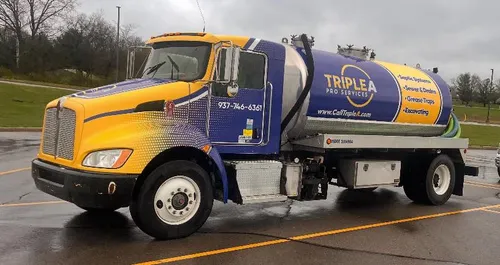
This is the core of the process. You will contract with a licensed used cooking oil collector who will provide the storage equipment, schedule regular pickups, and handle all transportation and documentation. In Huber Heights, services pump the oil directly from your storage tank into their specialized collection trucks.
4. Maintain Compliance Documentation
Your collection provider should supply you with documentation, such as manifests or recycling certificates, for each pickup. Keeping these records is crucial for demonstrating compliance with Ohio EPA regulations during inspections.
What Happens to Your Used Cooking Oil After Pickup?
The journey of your used fryer oil doesn't end at the curb. Professional recyclers transform this waste into valuable commodities. Once collected, the oil is transported to a processing facility. There, it undergoes purification to remove impurities and water. The cleaned oil is then a prime feedstock for the production of biodiesel, a renewable diesel fuel that powers vehicles and equipment 3. It can also be refined into sustainable aviation fuel (SAF) or used in the creation of animal feed supplements and industrial lubricants. This circular process ensures the oil from your kitchen helps reduce fossil fuel dependence.
Understanding Costs and Potential Revenue
The financial model for used cooking oil collection is typically based on the volume your business generates. Many providers offer free pickup for lower volumes as they profit from the recycled commodity. Here's a general breakdown:
- Low Volume (Less than 100 gallons per month): Pickup and recycling are often provided at no charge. The service is valued as a waste removal solution.
- Medium Volume (100-300 gallons per month): Businesses may start to see a small rebate or payment per gallon, often in the range of $0.10 to $0.25.
- High Volume (Over 300 gallons per month): Establishments generating significant quantities can negotiate higher rebates, potentially from $0.25 to $0.65 per gallon, turning a waste stream into a minor revenue line 4 5.
Exact rates depend on current market prices for recycled oils and the terms of your service agreement. It's always best to get a customized quote based on your specific output.
Find the perfect used cooking oil collection companies for your needs
Get personalized recommendations and expert advice
Local and State Regulations for Huber Heights Businesses
Compliance is a key driver for establishing a reliable UCO collection program. Ohio state rules govern the storage, transportation, and recycling of used oil. For instance, businesses transporting their own oil (in quantities under 55 gallons) to a collection center must follow specific container and labeling guidelines 6. However, most restaurants benefit from using a licensed hauler who assumes this regulatory responsibility. These haulers are permitted to transport larger volumes and provide the necessary paperwork to prove the oil was recycled properly, keeping your business in good standing with the Ohio EPA 7.
Choosing a Collection Service Provider in the Area
Selecting the right partner is essential for reliable, compliant service. When evaluating providers for your Huber Heights business, consider the following:
- Services Offered: Do they provide containers, scheduled pickups, and emergency service?
- Compliance Support: Do they supply the documentation needed for regulatory audits?
- End-Use Transparency: Ask what their company does with the collected oil. Reputable providers will be proud to share that it's converted into biofuel.
- Local Reputation: Look for providers with experience serving the Dayton and Huber Heights area.
National and regional companies like Mahoney Environmental and The Grease Company operate in Ohio and offer comprehensive used cooking oil collection and recycling programs tailored for restaurants 8. They manage the entire process from container delivery to biodiesel production.
Best Practices for Restaurant Kitchen Staff
A successful program requires daily diligence from your team. Train staff to:
- Never pour oil or grease down sinks, floor drains, or into trash cans.
- Use provided funnels and filters when transferring cooled oil to storage containers.
- Keep the storage area clean and report any leaks or full containers to management immediately.
- Understand that proper handling contributes to kitchen safety and environmental goals.
By integrating these practices, you ensure operational efficiency and maximize the value of your used oil.
The Environmental Impact of Recycling UCO
Choosing to recycle used cooking oil has a direct positive impact. Every gallon collected and converted to biodiesel reduces greenhouse gas emissions compared to petroleum-based diesel 9 10. It also prevents oil from contaminating local waterways and soil. For a Huber Heights business, this is a tangible way to demonstrate a commitment to sustainability, which can resonate positively with environmentally conscious customers and the community at large.
Frequently asked questions
Sources
Footnotes
-
Used Cooking Oil Pickup vs Drop-Off - GreasePros Recycling - https://www.greaseprosrecycling.com/used-cooking-oil-pickup-vs-drop-off/ ↩
-
Cooking oil and fats | Recycle Now - https://www.recyclenow.com/recycle-an-item/cooking-oil-fats ↩
-
What Do Restaurants Do with Grease? - Mahoney Environmental - https://www.mahoneyes.com/what-do-restaurants-do-with-grease/ ↩
-
Restaurant Used Cooking Oil Recycling & Disposal Guide - https://greaseconnections.com/restaurant-used-cooking-oil-disposal-recycling-revenue-guide/ ↩
-
Used Cooking Oil Disposal: Complete Guide to Grease Pickups - https://greaseconnections.com/used-cooking-oil-disposal-guide-grease-pickups/ ↩
-
Transporting less than 55 gallons of used oil to a collection center or ... - https://ohioepa.custhelp.com/app/answers/detail/a_id/991/~/transporting-less-than-55-gallons-of-used-oil-to-a-collection-center-or ↩
-
How to Recycle Cooking Oil in Ohio? - Green Mountain Products - https://greenmtnproducts.com/how-to-recycle-cooking-oil-in-ohio/ ↩
-
Used Cooking Oil (UCO) Collection Service For Restaurants - https://thegreasecompany.com/blog/restaurant-used-cooking-oil-collection/ ↩
-
Cooking Oil Delivery, Pickup, and Recycling in Ohio - https://www.mahoneyes.com/cooking-oil-delivery-recycling-ohio/ ↩
-
What Happens To The Used Cooking Oil Once It Leaves Your Restaurant? - https://www.grandnatural.com/blog/what-happens-to-the-used-cooking-oil-once-it-leaves-your-restaurant.html ↩