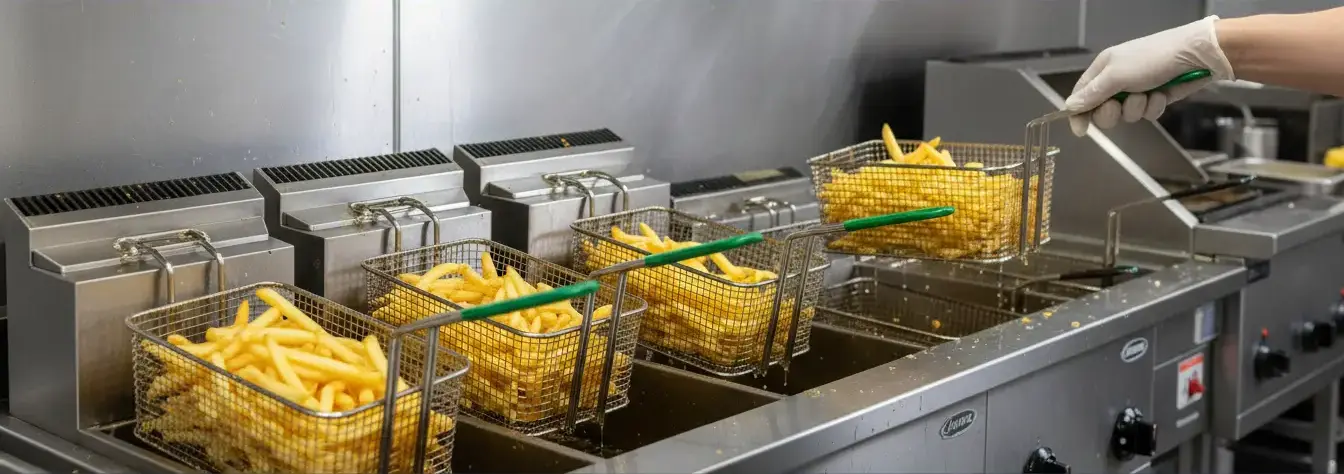
Find the Best Used Cooking Oil Collection Companies for Your Business
No obligation • Fast responses • Nationwide coverage

Why you can trust Restaurant Waste Disposal
Restaurant Waste Disposal is a leading U.S. resource for comparing restaurant composting, food-waste recycling, grease trap cleaning, and used cooking oil collection services. Our editorial team researches providers, checks credentials, and organizes unbiased information so operators can make informed decisions. Companies cannot pay to change ratings or placement.
Search providers near you
Best Used Cooking Oil Collection Companies in Ohio Ranked
For restaurants and food service businesses in Ohio, managing used cooking oil (UCO) is more than just a kitchen task-it's a regulated process with significant environmental and economic implications. Proper collection and recycling transform a potential waste liability into valuable feedstocks for renewable fuels like biodiesel and sustainable aviation fuel (SAF). Ohio's regulatory framework is designed to ensure this material is handled safely from fryer to final product, preventing environmental contamination while supporting the circular economy. Navigating storage rules, transporter requirements, and potential cost structures is key to a compliant and efficient UCO management program.
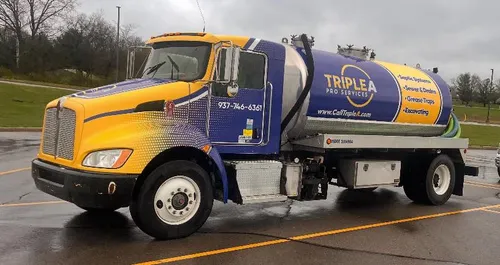
Triple A Pro Services
Middletown, OH
Triple A Pro Services is a sanitation and pumping company based in Middletown, OH, serving residential and commercial clients throughout Southwest Ohio. They specialize in grease trap cleaning, septic tank cleaning and maintenance, commercial liquid waste pumping, hood cleaning, pressure washing, and used cooking oil collection with waste oil processing. The company is unique in the region for processing and extracting saleable oil from grease trap waste, reducing landfill waste. Triple A Pro Services is known for fast and dependable service and has received over 630 five-star reviews.
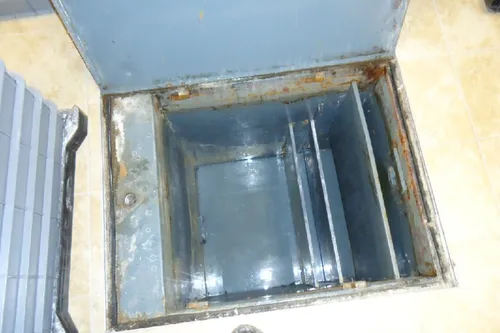
Columbus Grease Trap Cleaning
Columbus, OH
Columbus Grease Trap Cleaning is a full-service grease trap and interceptor cleaning company based in Columbus, OH. Serving commercial kitchens, restaurants, schools, and cafeterias throughout Columbus and nearby neighborhoods, they specialize in grease trap pumping, cleaning, installation, and maintenance. The company operates a fleet of over 15 pump trucks and uses high-pressure hydro-jetting to remove stubborn sludge, ensuring grease traps function efficiently and comply with local regulations. With more than a decade of experience, Columbus Grease Trap Cleaning works closely with city officials to meet all health and environmental standards and offers after-hours and custom services to accommodate business schedules.
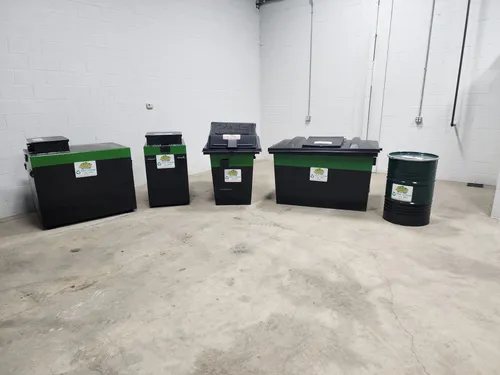
Green Mountain Products
2170 Alum Creek Dr, Columbus, OH 43207
Green Mountain Products is based in Columbus, OH, providing used cooking oil collection, grease trap cleaning, and industrial bulk tanker services. They serve the Ohio, West Virginia, Kentucky, and Indiana regions, supporting the biodiesel and animal feed industries by recycling fats, oils, and grease. The company is working toward becoming a zero waste FOG discharge facility, ensuring environmentally responsible recycling of waste streams. Green Mountain Products offers 24/7 service availability to meet customer needs at any time.
OP Recycling
2130 Advance Ave A, Columbus, OH 43207
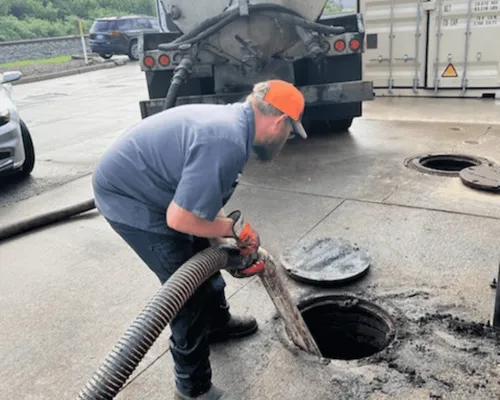
OP Recycling is a Columbus, OH-based company specializing in used cooking oil collection, grease trap cleaning, and wastewater transport. They serve a variety of industries including restaurants, food processing plants, and hospitality establishments. With over 40 years of experience, OP Recycling offers spill-proof cooking oil removal and operates a fleet of tanker trucks dedicated to hauling oily wastewater to their recycling plant. Their services focus on sustainability, ensuring 100% recycling with no landfill disposal. They provide 24/7 availability to support their customers' needs.
Otto By Products
2865 W 3rd St, Cleveland, OH 44113
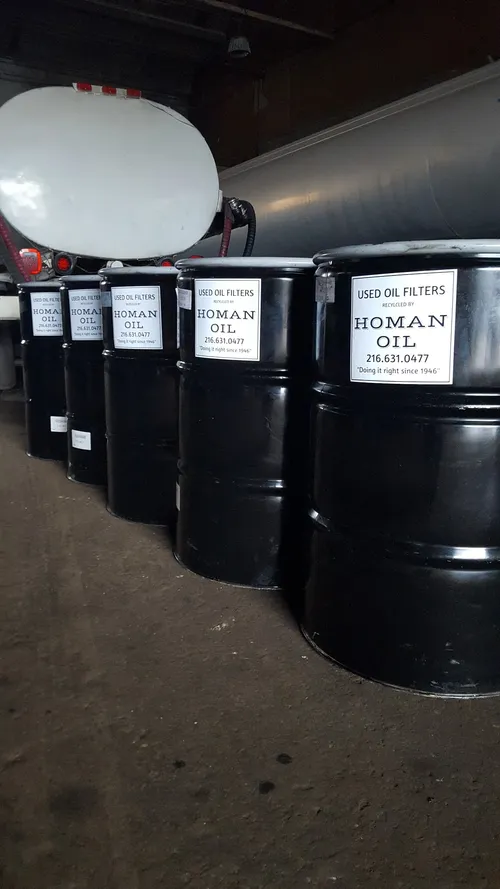
Otto By Products is a family-owned company based in Cleveland, OH, specializing in the collection and recycling of used cooking oils, grease trap cleaning, and fats and bones collection. Serving Northeast Ohio, they convert waste cooking oils into animal feed ingredients, soaps, and alternative fuels. With over 60 years of combined experience in the rendering industry, owners Mike and John Otto lead the company in providing environmentally responsible recycling solutions tailored to the restaurant and food-related community.
Understanding Ohio's Regulatory Framework
Ohio classifies used cooking oil as a "used oil" under state environmental rules. Once you change the oil in your fryer, your business officially becomes a generator of this material, triggering specific responsibilities for its storage and eventual disposal. The core principle is preventing used oil from entering the environment, whether through sewer systems, septic tanks, or ground absorption. The Ohio Environmental Protection Agency (Ohio EPA) oversees these regulations, which align with federal standards to ensure used oil is managed as a resource, not a pollutant.
The regulations are particularly focused on preventing the oil from becoming a hazardous waste. This can happen if the used cooking oil is mixed with solvents, certain chemicals, or becomes contaminated in other ways. By following proper handling procedures, businesses can keep their UCO in the beneficial "used oil" category, simplifying its path to recycling.
Proper Storage and On-Site Handling
Correct storage is the first and most critical step in compliant used cooking oil collection. Adhering to these practices not only meets regulatory requirements but also maintains the quality and value of the oil for recyclers.
- Containers and Labeling: UCO must be stored in containers that are in good condition-sealed, structurally sound, and non-leaking. These containers should be kept in a cool, dry place, away from direct sunlight and extreme temperatures to preserve the oil 1. Every container must be clearly labeled as "Used Oil" to avoid confusion with fresh product or other materials.
- Segregation is Key: Perhaps the most important rule is to keep used cooking oil pure. It should never be mixed with other liquids like water, solvents, or detergents. Food solids should be filtered out as much as possible. Mixing can degrade the oil's quality for recycling and risks reclassifying it as hazardous waste, which involves far more stringent and costly disposal rules 2 3.
- Absolute Prohibitions: It is illegal to dispose of used cooking oil by pouring it down any drain, into a septic system, or onto the ground 4 5. These actions can cause severe blockages in sewer lines (creating costly "fatbergs") and lead to significant environmental pollution and fines.
Transportation and Recycling Partners
You cannot simply hire any hauler to collect your used oil. Ohio mandates that transportation for recycling be handled by registered professionals.
- Using Registered Transporters: Businesses must use an Ohio EPA-registered used oil transporter for scheduled pickups. These licensed haulers possess a U.S. EPA identification number, ensuring they are authorized to collect, transport, and deliver the oil to approved recycling or processing facilities 6 7. Working with a registered provider is a primary way generators demonstrate compliance.
- Recycling Pathways: The used cooking oil collected from Ohio restaurants is primarily recycled into renewable fuels. The cleanest oil is ideal for conversion into biodiesel or renewable diesel. It is also a key feedstock for producing sustainable aviation fuel (SAF), supporting the decarbonization of the transportation sector 8. This end-use underscores the importance of keeping the oil free from contaminants.
- Exception for Small Quantities: For very small volumes, Ohio provides an exception. A generator may transport up to 55 gallons of their own used oil to a designated collection center using their own vehicle without needing to be a registered transporter, as noted in state guidance 9. For most food service businesses with regular volume, however, using a professional collection service is the standard and most practical approach.
Spill Prevention and Response
Accidents can happen, so being prepared is part of responsible management. Any spill of used oil, no matter the size, must be promptly and thoroughly cleaned up. The cleanup materials-such as absorbent pads, socks, or soil-that become saturated with oil may themselves be evaluated as hazardous waste and must be disposed of according to those stricter regulations. Having a spill kit accessible and training staff on basic response procedures is a wise precaution. Furthermore, maintaining your kitchen's grease trap or interceptor is a related and crucial practice. These devices prevent fats, oils, and grease (FOG) from entering the wastewater system, protecting public infrastructure and avoiding regulatory violations 10.
Find the perfect used cooking oil collection companies for your needs
Get personalized recommendations and expert advice
Cost Structures and Potential Revenue
The financial model for used cooking oil collection in Ohio is typically volume-based and can swing from a service cost to a potential revenue stream. Most professional collection services offer a range of options.
- Service Tiers and Pricing: Costs often correlate with your weekly generation volume. For a small operation producing 10-20 gallons per week, monthly service fees might range from approximately $60 to $120, though some providers may offer this tier for free to secure the account 11 12. Medium-volume restaurants (30-50 gallons/week) might see fees in the $150 to $300 per month range. Large establishments generating 75 gallons or more per week can expect higher service costs, potentially $300 to $600 or more monthly 11 12. It's important to note that many providers absorb the collection cost entirely, especially for consistent, medium-to-large volumes of clean oil.
- Understanding Rebates and Payments: When the used cooking oil is kept clean (free of water and excessive food solids), it holds higher value for recyclers. For businesses with significant, high-quality output-often cited as volumes exceeding 40 gallons per month-collection companies may offer rebates or direct payments 13. The exact payment rate fluctuates with commodity markets for feedstocks and renewable fuels. This potential to offset costs or generate minor revenue makes proper on-site handling financially beneficial.
Building a Compliant UCO Management Program
Establishing a smooth system starts with choosing the right partner. Select an Ohio EPA-registered used oil collection service with a good reputation for reliability and customer service. Discuss your specific volume, schedule needs, and container requirements. Internally, train kitchen staff on the proper procedures for cooling, filtering, and transferring oil into the designated, labeled storage containers. Emphasize the strict "no-mix" policy. Keep clear records of your collection schedules and hauler information, as this documentation is part of your compliance trail. By integrating these steps, Ohio food service businesses can turn used cooking oil management from a regulatory obligation into an efficient, environmentally positive component of their operations.
Frequently asked questions
Sources
Footnotes
-
STORAGE, USE AND HANDLING INSTRUCTIONS FOR OIL - Technilub - https://www.technilub.com/en/content/10-storage-use-and-handling-instructions-for-oil ↩
-
How to Recycle Cooking Oil in Ohio? - Green Mountain Products - https://greenmtnproducts.com/how-to-recycle-cooking-oil-in-ohio/ ↩
-
An Overview for Ohio Businesses Who Generate Used Oil - OSU EHS - https://ehs.osu.edu/sites/default/files/used_oil_guidance.pdf ↩
-
Running a mobile oil changing business? Know Your Ohio EPA ... - https://dam.assets.ohio.gov/image/upload/epa.ohio.gov/Portals/41/sb/publications/mobileoil.pdf ↩
-
Restaurant Grease: Know Your Environmental Regulations - https://ccchd.com/wp-content/uploads/2025/06/FOG-restaurant.pdf ↩
-
Used Oil - Ohio EPA - https://epa.ohio.gov/wps/portal/gov/epa/divisions-and-offices/environmental-response-revitalization/guides-and-manuals/used-oil ↩
-
The Regulation of Used Oil: - Ohio.gov - https://dam.assets.ohio.gov/image/upload/epa.ohio.gov/Portals/32/pdf/Used_Oil_Transporters_Guidance.pdf ↩
-
Used Cooking Oil Pickup & Recycling Services in Cleveland OH - https://www.mahoneyes.com/waste-oil-pickup-recycling-cleveland-oh/ ↩
-
The Regulation of Used Oil: - Ohio.gov - https://dam.assets.ohio.gov/image/upload/epa.ohio.gov/Portals/41/webinar/DERR-Used-Oil-Handouts.pdf ↩
-
Cooking Oil Delivery, Pickup, and Recycling in Ohio - https://www.mahoneyes.com/cooking-oil-delivery-recycling-ohio/ ↩
-
Used Cooking Oil Pickup vs Drop-Off-What's Best for Restaurants? - https://www.greaseprosrecycling.com/used-cooking-oil-pickup-vs-drop-off/ ↩ ↩2
-
Do you get paid for used cooking oil? : r/cookingoilrecycling - Reddit - https://www.reddit.com/r/cookingoilrecycling/comments/1kvlxl5/do_you_get_paid_for_used_cooking_oil/ ↩ ↩2
-
Used Cooking Oil Pricing & Business Guide - Grease Connections - https://greaseconnections.com/used-cooking-oil-pricing-guide/ ↩